
Planning a Gorilla Trekking Safari in Uganda – A Complete Guide
:Planning a Gorilla Trekking Safari in Uganda: A Complete Guide
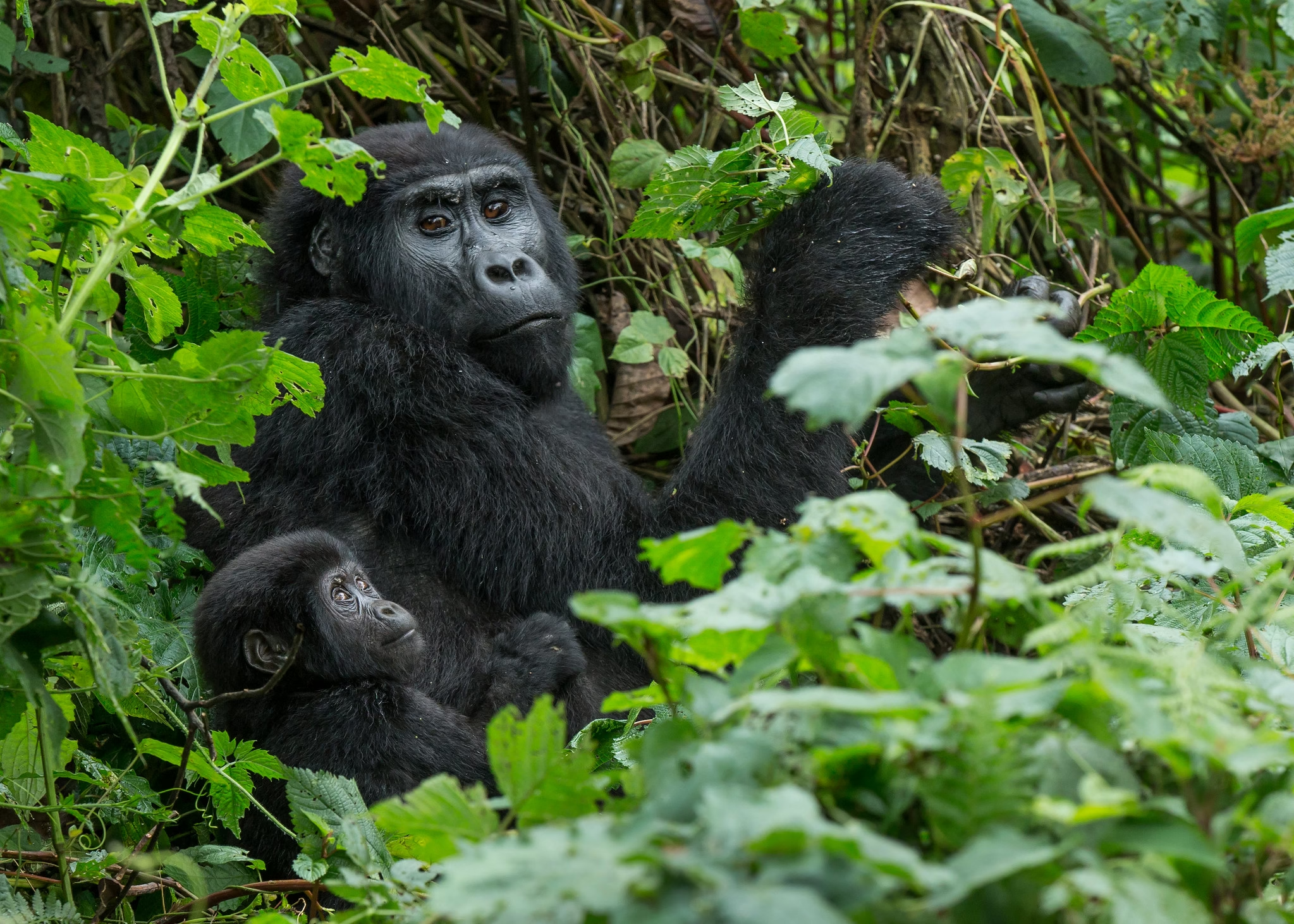
Uganda is a premier destination for gorilla trekking. With over half of the world’s remaining mountain gorillas residing in its Bwindi Impenetrable National Park and Mgahinga Gorilla National Park, Uganda offers an unmatched opportunity to observe these magnificent creatures in their natural habitat. A gorilla trekking safari in Uganda is an adventure of a lifetime, combining breathtaking landscapes, wildlife encounters, and conservation efforts. If you are considering a gorilla trekking safari in Uganda, here’s everything you need to know to plan a successful and memorable trip.
Where to Go Gorilla Trekking in Uganda
Uganda is home to two main destinations for gorilla trekking:
Bwindi Impenetrable National Park
Located in southwestern Uganda, Bwindi is the most popular destination for gorilla trekking. The park is a UNESCO World Heritage Site and boasts half of the world’s remaining mountain gorillas. Bwindi is divided into four sectors: Ruhija, Buhoma, Nkuringo, and Rushaga. Each sector has its own unique trekking experiences and several habituated gorilla families to visit.
Mgahinga Gorilla National Park
Mgahinga, also located in southwestern Uganda, is smaller than Bwindi but equally rewarding. The park is part of the Virunga Conservation Area, which extends into Rwanda and the Democratic Republic of Congo. Mgahinga is home to the Nyakagezi Gorilla Family, and its proximity to the border with Rwanda offers visitors the unique experience of combining a gorilla trek in Uganda with a visit to Rwanda.
When to Go Gorilla Trekking in Uganda
The best time to go gorilla trekking in Uganda is during the dry seasons, which occur from June to September and December to February. These months offer the best trekking conditions, with dry trails and better visibility, making it easier to track the gorillas. The temperatures are also more comfortable during the dry season, and you’re less likely to encounter rain.
However, gorilla trekking is available year-round. The wet season, from March to May and October to November, brings more rainfall, making the trails muddy and challenging. But the forests are lush and beautiful during this time, and fewer tourists mean you can have a more private trekking experience.
How to Book Gorilla Trekking Permits
A gorilla trekking permit is required for entry to both Bwindi Impenetrable National Park and Mgahinga Gorilla National Park. Permits are highly sought after, so it’s recommended to book at least 3 to 6 months in advance to secure your spot. The permits are issued by the Uganda Wildlife Authority (UWA), and the cost is currently $800 per person for trekking in Bwindi and Mgahinga.
When booking your permit, you’ll need to choose which sector and family you want to trek. You can book directly with UWA or through a licensed tour operator who will assist with the logistics of your trip, including transportation, accommodation, and guiding.
Gorilla Trekking Itinerary
Here’s a typical gorilla trekking itinerary for a 3-day safari in Uganda:
Day 1: Arrival in Uganda—Entebbe to Bwindi
- Arrive at Entebbe International Airport and transfer to Bwindi Impenetrable National Park.
- The drive from Entebbe to Bwindi takes approximately 8-10 hours, so you can opt for a flight to Kisoro (near Mgahinga) or Kahihi (near Bwindi) to save time.
- Check in to your accommodation and rest for the night.
Gorilla Trekking: Day 2
- Early morning briefing at the park headquarters, followed by the start of your gorilla trek.
- Your guide will take you through the dense forest to track a specific gorilla family. The trek can take anywhere from 2 to 8 hours depending on the location of the family and the terrain.
- Once you encounter the gorillas, you’ll have 1 hour to observe them, take photos, and learn about their behaviors.
- Return to your lodge for a relaxing evening after an exciting day.
Day 3: Optional Activities and Departure
- If time allows, you can enjoy an optional activity such as a community visit or nature walk in the park.
- In the afternoon, transfer back to Entebbe for your flight or onward travel.
What to Pack for Your Gorilla Trekking Safari
Packing the right gear is essential to ensuring a comfortable and safe trekking experience. Here’s a checklist of items you should pack:
- Sturdy hiking boots: The trails can be steep and muddy, so good footwear is crucial.
- Long-sleeved shirts and pants: Protect yourself from insects and thorny bushes.
- Rain Jacket and Waterproof Gear: Weather can be unpredictable, and the forest can be damp.
- Insect Repellent: There are many bugs in the forest, so be sure to bring repellent.
- Gloves: Useful for gripping branches and protecting your hands.
- Camera with Zoom Lens: Capture the magical moments, but remember not to use flash photography.
- Water and Snacks: Stay hydrated and energized during your trek.
- Sunscreen and Hat: Protect yourself from the sun when trekking in open areas.
What to Expect During Gorilla Trekking
Physical Challenge
Gorilla trekking is not for the faint-hearted. The hike can be strenuous, especially if the gorillas are located at high altitudes or in remote areas. Be prepared for steep climbs, muddy trails, and long hours of walking.
Wildlife Encounters
While trekking, you may come across other wildlife, including monkeys, birds, and forest elephants. The flora and fauna of Bwindi and Mgahinga are incredibly diverse.
The Moment with Gorillas
Once you locate the gorilla family, you’ll have a rare and intimate opportunity to observe them for an hour. This is the highlight of the trek, and the experience is truly unforgettable.
Gorilla Trekking Etiquette
- Stay 7 Meters Away: Always keep a safe distance from the gorillas.
- Don’t Make Noise: Be quiet and respectful, allowing the gorillas to feel comfortable.
- Follow Your Guide’s Instructions: Your guide knows the best practices for approaching the gorillas safely.
Plan your trekking safari
A gorilla trekking safari in Uganda offers an unparalleled wildlife experience. With breathtaking views, an abundance of wildlife, and the opportunity to spend time with the endangered mountain gorillas, it’s an adventure you’ll never forget. By planning ahead, booking your permits in advance, and preparing the right gear, you can ensure that your trip to Uganda is smooth and enjoyable.
Book your trip today and embark on the adventure of a lifetime!