
Gorilla Documentaries and Filming in Africa – Capturing Giants on Camera
Gorilla Documentaries and Filming in Africa – Capturing Giants on Camera
Gorilla Documentaries and Filming: A Deep Dive into Africa’s Gentle Giants
Gorillas have long fascinated the world. Their emotional depth, intelligence, and closeness to humans captivate millions. Through powerful storytelling, filmmakers bring these majestic primates into homes worldwide. Their work raises awareness and builds momentum for conservation.
Filming gorillas in the wild takes more than a camera. It requires planning, permits, and respect for the environment. Whether you’re a filmmaker, researcher, or wildlife advocate, this guide shows how to document gorillas in Africa the right way.
Legendary Gorilla Documentaries That Changed the World
For decades, documentaries have changed how people see gorillas. These films turn fear into respect and ignorance into empathy.
“Virunga” (2014) tops the list. This Netflix documentary follows brave rangers in Congo’s Virunga National Park. They risk their lives to protect mountain gorillas from poachers, rebels, and oil companies. The film blends journalism and emotion. Viewers responded with outrage, support, and donations.
“Gorillas in the Mist” (1988) tells the story of Dian Fossey. This biopic, starring Sigourney Weaver, shares Fossey’s life with mountain gorillas in Rwanda. The film reveals the beauty and danger of gorilla conservation and gave the public a new appreciation for these animals.
“Mountain Gorilla” (BBC, 2010) takes a quiet, observational approach. Narrated by Patrick Stewart, it follows gorilla families in Uganda and DRC. The film shows how rangers and researchers protect gorillas with patience and dedication.
Other remarkable films include:
- “Koko: A Talking Gorilla” (1978)—A look into language and emotion in lowland gorillas.
- “The Urban Gorilla” (1991)—A film that questions the ethics of keeping gorillas in captivity.
Filming Gorillas in the Wild: A Conservation-First Process
Filming wild gorillas involves strict rules. Countries like Rwanda, Uganda, and DRC set tough guidelines. These protect both gorillas and their fragile habitats.
Filmmakers must get special permits before shooting. In Rwanda, the Rwanda Development Board issues gorilla filming permits. These permits can cost $5,000 per crew per day. Standard trekking fees ($1,500 per person) are extra. Uganda follows a similar process through the Uganda Wildlife Authority.
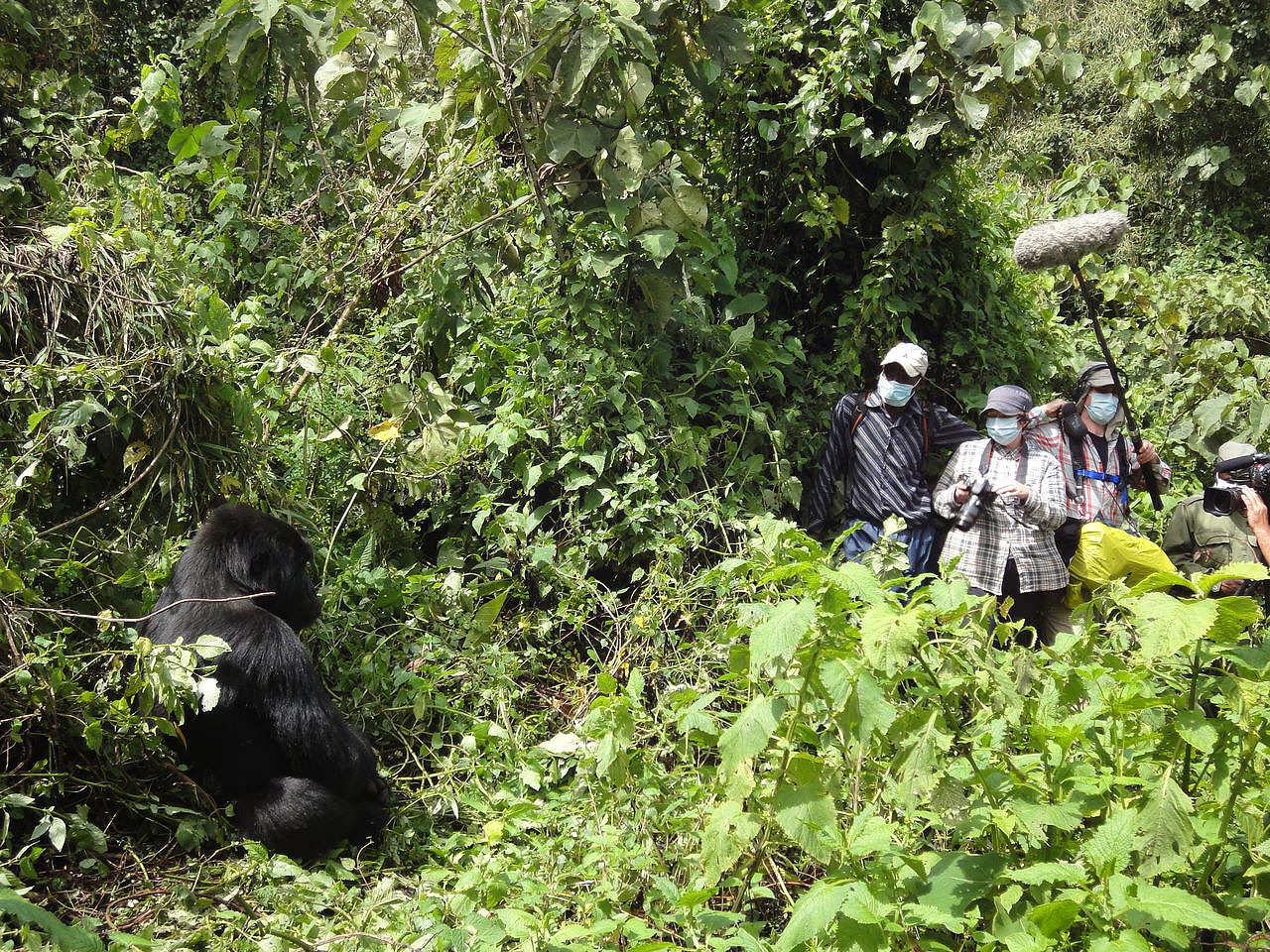
To apply, filmmakers submit a request that outlines the film’s purpose and ethical approach. If approved, authorities closely monitor the crew. Rules include:
- Keep 10 meters away from gorillas.
- Wear face masks during filming.
- No flash photography.
- Limit gorilla contact to one hour per day.
- Always film with guides and armed rangers present.
Filmmakers must use quiet, eco-friendly gear. Drones are almost always banned to prevent stress to the gorillas.
Planning and Logistics for Gorilla Filming
Most crews hire local tour operators or fixers. These experts handle transportation, permits, park access, and lodging.
Filming sites lie deep in mountain forests. Trekking can take hours, so fitness and stamina matter. Crews need to plan carefully and stay organized.
Lodging depends on location and budget. Rwanda, most crews stay in Musanze. In Uganda, they are based near Buhoma. In DRC, Rumangabo sits close to filming zones.
Filming starts early. Crews rise before dawn to reach the park on time. Some teams do scouting treks the day before to locate gorilla groups and plan shots.
Why Documentaries Matter for Gorilla Conservation
Films have power—especially when they bring stories from remote forests to screens around the world. Gorilla documentaries don’t just entertain; they educate, advocate, and spark action.
Thanks to documentaries like “Virunga,” millions of dollars have been funneled into conservation efforts. Volunteer programs, global fundraising campaigns, and eco-tourism partnerships often grow in the wake of such films. They shift narratives—from gorillas being dangerous or aggressive, to being seen as gentle, intelligent kin deserving protection.
Filmmakers who document gorillas contribute directly to conservation awareness. But they also support the economic sustainability of communities living near national parks, as filming generates local employment, training, and infrastructure investment.
Responsible Filming: A Shared Duty
If you’re planning to film gorillas, your role extends beyond the lens. You carry the responsibility of telling their story truthfully and respectfully. You join a global community of storytellers and conservationists who strive to protect one of our planet’s most powerful symbols of biodiversity.
Choose ethical partners, respect the rules, and treat every filming moment as a rare privilege—because that’s exactly what it is.
Film Can Save Forests
In a time when the planet faces mounting environmental threats, gorilla documentaries stand as a beacon of hope. They remind us that we are not alone on this earth—and that by protecting gorillas, we protect the forests they call home, and the people who depend on those forests too.
If you’re considering creating a gorilla documentary or simply want to explore more of these powerful films, you’re taking part in something bigger—a story that continues to unfold, one frame at a time.
Plan Your Tour
Gorilla documentaries inspire the world and support conservation. But filming them requires care, discipline, and respect. From permits to jungle treks, each step protects gorillas and the forests they call home.
If you’re ready to film or explore gorilla country, start with a trusted tour operator. Work with local guides. Follow the rules. And tell the story in a way that helps protect Africa’s most iconic species