
Facts About Victoria Falls in Zimbabwe and Zambia
Facts About Victoria Falls in Zimbabwe and Zambia
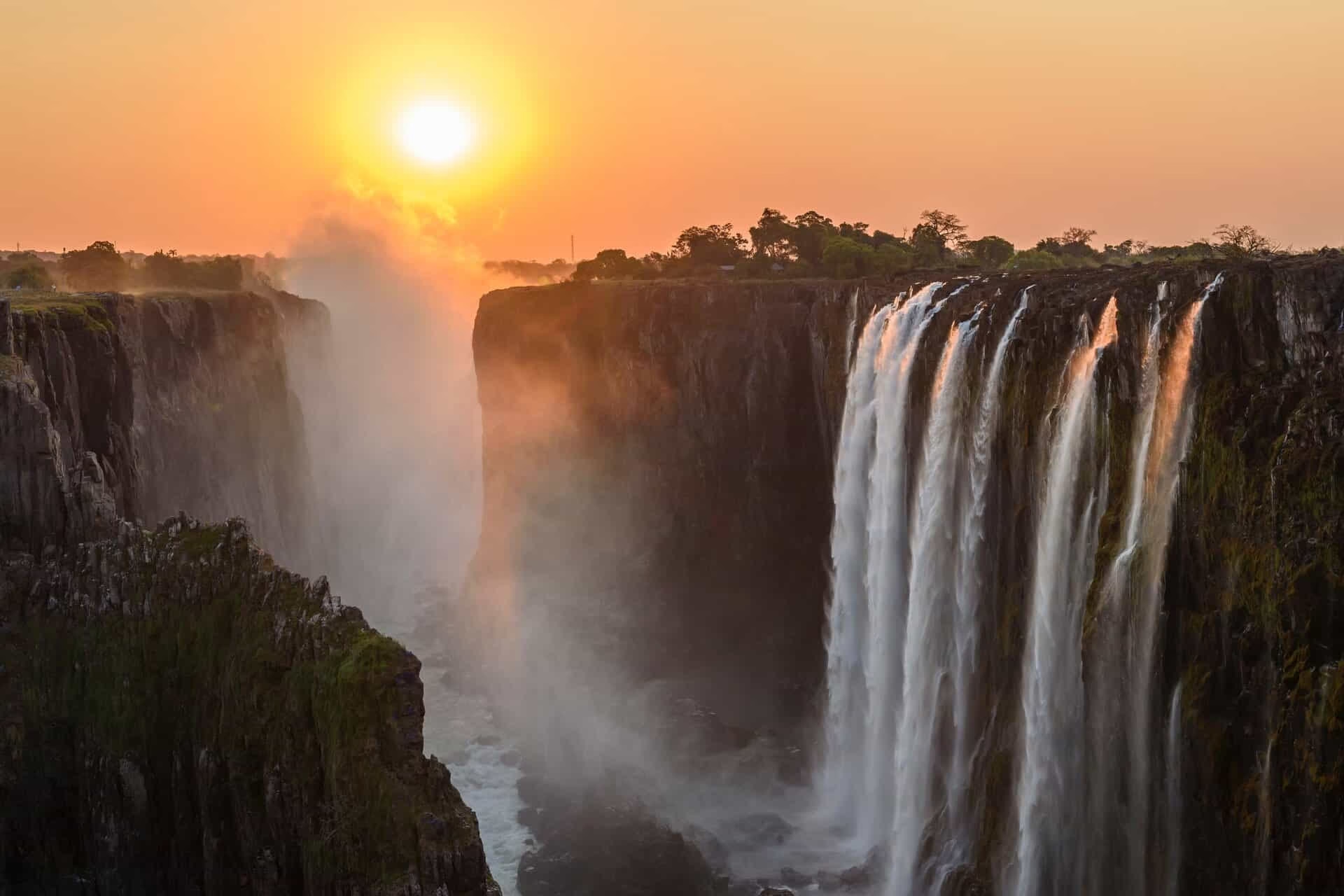
Facts about Victoria Falls. Victoria Falls is one of the most iconic natural wonders in the world. Located on the border between Zimbabwe and Zambia, it is not only a breathtaking sight but also a place of rich history, unique geography, and powerful natural energy.
Here are the most fascinating facts about this UNESCO World Heritage Site, often called “The Smoke That Thunders.”
Where Is Victoria Falls?
Victoria Falls lies on the Zambezi River, which forms the natural boundary between Zimbabwe and Zambia. The waterfall is accessible from two main towns—Victoria Falls Town in Zimbabwe and Livingstone in Zambia.
Visitors can explore the falls from both sides, each offering a different perspective and unique experiences.
-
One of the Largest Waterfalls in the World
Victoria Falls isn’t the tallest or widest waterfall on Earth, but it is considered the largest based on combined height and width. It measures:
- 1,708 meters wide (5,604 feet)
- 108 meters high (354 feet)
This creates the largest curtain of falling water in the world, especially during the rainy season when the Zambezi River is at full flow.
-
Known as “Mosi-oa-Tunya”
The local name for Victoria Falls is Mosi-oa-Tunya, which means “The Smoke That Thunders” in the Lozi and Tonga languages. This name comes from the immense spray and roaring sound created as water plunges into the deep chasm below.
The mist can rise over 400 meters high and be seen from more than 30 kilometers away.
-
Discovered by David Livingstone (Western Record)
Scottish missionary and explorer David Livingstone is credited with introducing the falls to the Western world in 1855. He named them after Queen Victoria. However, the local people had known and revered the falls for centuries.
Livingstone reportedly said, “Scenes so lovely must have been gazed upon by angels in their flight.”
-
A UNESCO World Heritage Site
In 1989, Victoria Falls was designated a UNESCO World Heritage Site for its outstanding natural beauty and geological significance. It is protected by both Zimbabwe and Zambia, with national parks on either side—Victoria Falls National Park and Mosi-oa-Tunya National Park.
-
Best Time to Visit Depends on What You Want
- February to May: Peak flow after the rainy season. The falls are at their most powerful, but the spray can block views.
- June to August: Water levels drop slightly, offering better visibility and ideal weather.
- September to December: Low water season. Some parts of the falls dry up, but it’s great for swimming in Devil’s Pool or rafting.
Each season offers a different experience.
-
Activities Around the Falls
Victoria Falls is also Africa’s adventure capital. Visitors can enjoy:
- Bungee jumping off the Victoria Falls Bridge
- White-water rafting on the Zambezi River
- Helicopter and microlight flights over the falls
- Sunset cruises and guided nature walks
- Swimming at the edge in the famous Devil’s Pool (Zambia side, low-water season only)
-
Shared Yet Different: Zimbabwe vs Zambia
Both countries offer stunning views and experiences.
- Zimbabwe side: Offers the most panoramic views and over 75% of the waterfall’s face. It has more walkways and direct access to the main curtain.
- Zambia side: Gets you closer to the action, especially during the dry season when you can walk across the Knife Edge Bridge or swim in Devil’s Pool.
Cross-border access is easy via the Victoria Falls Bridge, and a univisa allows entry to both countries.
-
Wildlife Around the Falls
The area around Victoria Falls is rich in wildlife. In both national parks, you may spot:
- Elephants
- Hippos
- Crocodiles
- Baboons and vervet monkeys
- Antelope species and many bird species
Even walking near town, wildlife is never far away—so stay alert and respectful.
Plan Your Tour
Victoria Falls is more than a place to visit—it’s a journey to plan thoughtfully. Whether you want to experience the full roar of the falls, walk through misty rainforest trails, dive into adventure sports, or explore nearby parks like Chobe (Botswana) or Hwange (Zimbabwe), early planning ensures a better experience.
Decide which side you want to focus on—Zimbabwe for panoramic views, or Zambia for up-close thrills—or get the KAZA Univisa and do both. Book your activities ahead, especially in peak months. Consider combining your visit with a wildlife safari, cultural tour, or river cruise.