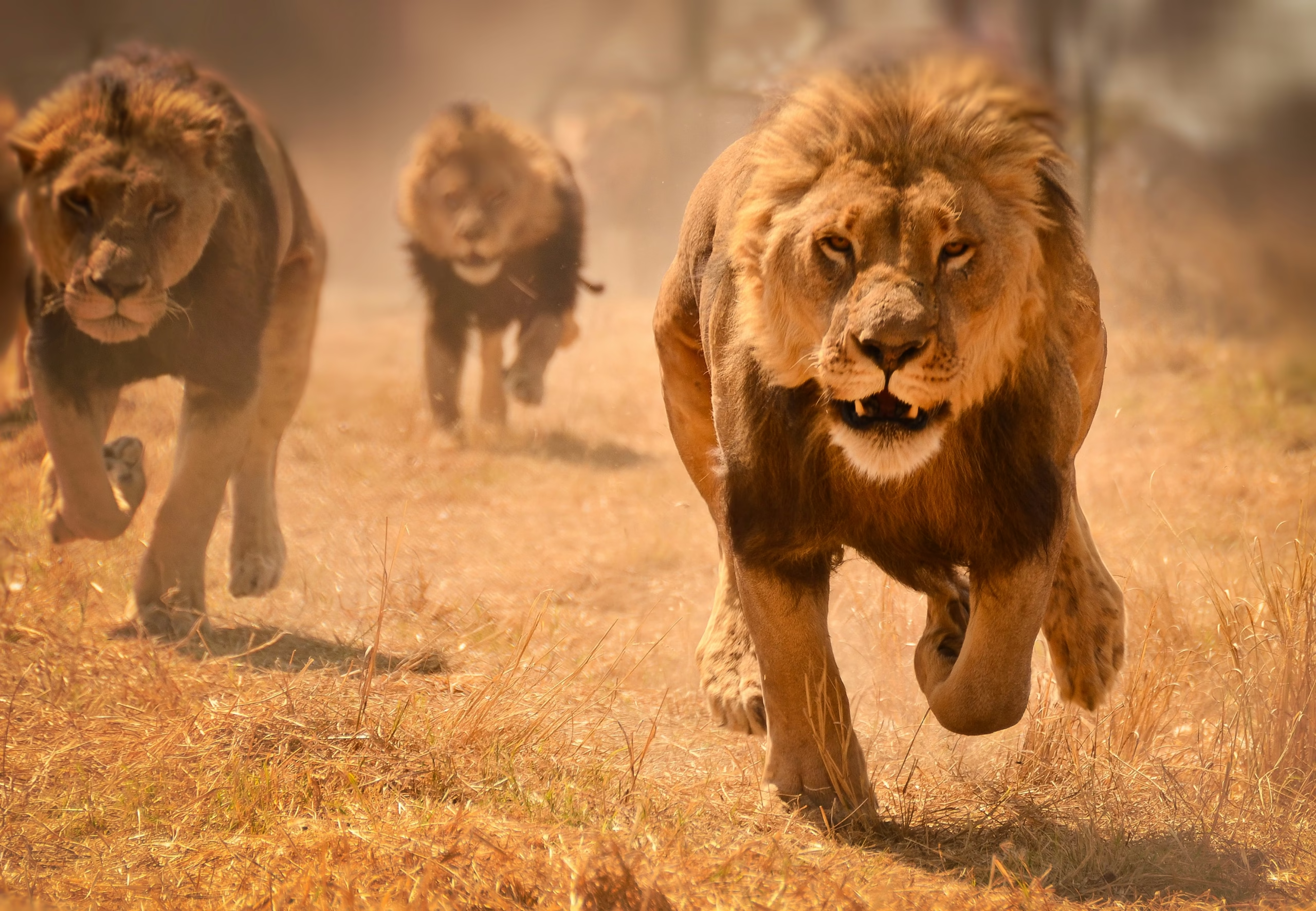

Facts About Lions: The Kings of the African Savannah
Facts About Lions: The Kings of the African Savannah
Facts about lions. Lions are among the most iconic and admired animals on the planet. Known as the “King of the Beasts,” these powerful predators inspire awe with their strength, social structure, and royal presence.
But there’s more to lions than just their roar. Here are the most fascinating facts about these magnificent creatures that dominate Africa’s wild landscapes.
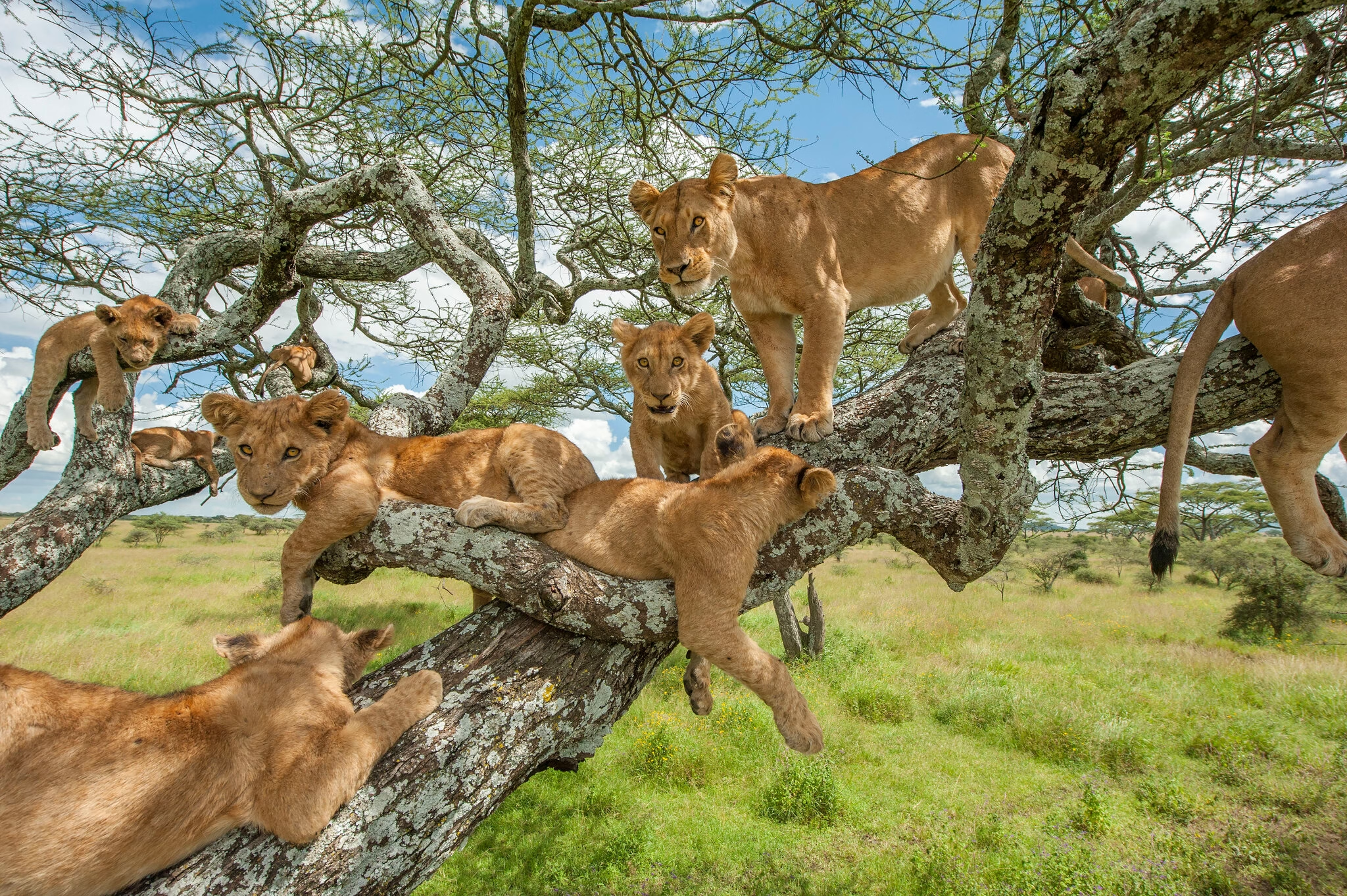
Lions Are the Only Social Cats
Unlike other big cats, lions live in groups called prides. A pride typically includes related females, their cubs, and a few dominant males. This social structure helps them defend territory and hunt more effectively.
Prides vary in size but usually range from 3 to 20 individuals.
Male Lions Don’t Do Most of the Hunting
Female lions, or lionesses, do the majority of the hunting. They work as a team to stalk and ambush prey like zebras, buffalo, and antelope. Males protect the pride and its territory but generally eat first after a successful kill.
Though strong, male lions are not as fast or stealthy as lionesses.
Lions Can Sleep Up to 20 Hours a Day
Lions are most active at night and during the early morning. During the heat of the day, they rest in the shade or under trees. They sleep or rest for 16 to 20 hours daily, conserving energy for their next hunt or patrol.
This makes spotting them on safari a waiting game—often rewarding when timed right.
A Lion’s Roar Is Heard from 8 Kilometers Away
Lions use their deep, thunderous roar to communicate with pride members and warn off rivals. The roar can travel up to 5 miles (8 km) across open savannah.
Roaring is often heard in the evening or early morning when the air is cool and still.
Cubs Are Vulnerable and Often Hidden
Lion cubs are usually born in hidden dens, away from the rest of the pride. A mother may move her cubs several times to avoid detection by predators like hyenas or rival male lions.
Cubs start eating meat at around 8 weeks, but they remain dependent on their mothers for over a year.
Lions Once Roamed Much of the World
Historically, lions lived across Africa, the Middle East, and parts of Europe and Asia. Today, wild lions are mostly found in sub-Saharan Africa, with a small population of Asiatic lions surviving in India’s Gir Forest.
Habitat loss and human-wildlife conflict have reduced their range dramatically.
Lions Are Listed as Vulnerable
According to the IUCN Red List, lions are classified as Vulnerable, with populations declining due to habitat encroachment, poaching, and trophy hunting.
Conservation programs, protected areas, and community education are critical to ensuring their survival.
Male Lions Have Manes for More Than Looks
The mane is not just for show. It protects the male’s neck during fights and signals strength to both rivals and potential mates. A darker, fuller mane is seen as a sign of a healthier and more dominant lion.
The mane also makes the lion appear larger—intimidating to enemies.
Lions Play a Key Role in Ecosystems
As apex predators, lions help control herbivore populations, which prevents overgrazing. Their presence supports balance in the savannah food chain.
When lions disappear, ecosystems can suffer—proof of their importance beyond just their beauty.
Plan to See Lions in the Wild?
Some of the best places to see lions in the wild include:
- Serengeti National Park (Tanzania)
- Masai Mara Reserve (Kenya)
- Queen Elizabeth National Park (Uganda)—famous for tree-climbing lions
- Kruger National Park (South Africa)
- Kgalagadi and Okavango Delta (Botswana)
The best time for sightings is early morning or late afternoon, when lions are more active.
Plan Your Tour
Seeing lions in the wild is one of Africa’s greatest gifts. Whether you’re tracking them on foot in Uganda, cruising through the Serengeti in a 4×4, or watching a pride with cubs under a golden sunset, it’s an experience that will stay with you forever.