
Conservation Travel
Conservation Travel: Explore the World While Protecting It
Conservation travel merges the thrill of exploration with a strong sense of responsibility. It goes beyond sightseeing. It creates purpose. Travelers choose conservation-focused destinations not only for their beauty but also to support wildlife, ecosystems, and local communities.
This form of travel empowers both the visitor and the host destination. It ensures tourism contributes to long-term sustainability. Whether you are tracking gorillas in Uganda or restoring coral reefs in Zanzibar, your presence can fund protection efforts and inspire change.
Why Conservation Travel Matters
Wildlife and natural habitats face constant threats—poaching, deforestation, pollution, and climate change. Many regions that attract tourists also serve as vital conservation zones. Conservation travel gives visitors a way to help. The money spent on eco-lodges, guided treks, and park fees often supports ranger salaries, habitat restoration, and research.
Beyond funding, this form of travel raises awareness. Seeing an elephant in the wild or planting a native tree creates a personal connection. People return home changed, often becoming advocates for conservation.
What Makes a Trip Conservation-Focused?
A conservation trip doesn’t require sleeping in a tent or volunteering for weeks. It simply involves travel that prioritizes sustainability, nature protection, and community well-being.
Look for experiences that meet these standards:
- Lodges or camps that support local wildlife conservation
- Certified eco-tour operators with transparent practices
- Destinations where your visit funds protected area management
- Activities that involve education, preservation, or restoration efforts
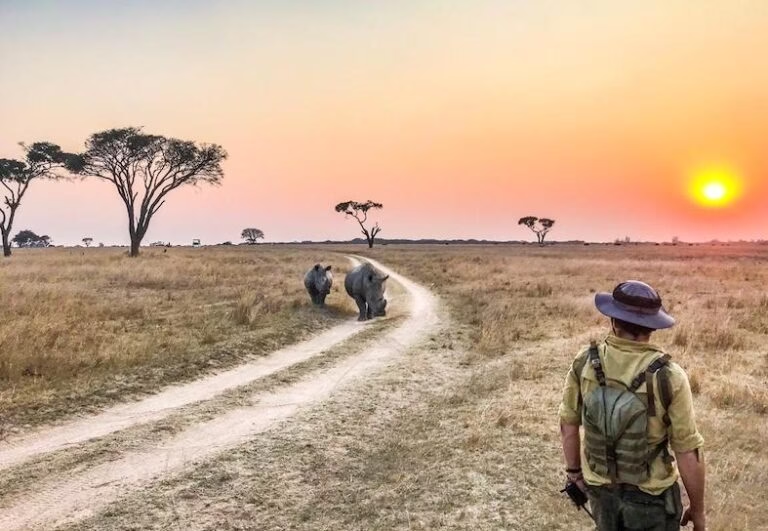
For example, staying at an ecolodge in Bwindi Impenetrable Forest helps support mountain gorilla conservation. Booking a walking safari with a local guide in Kenya often funds anti-poaching programs.
Top Conservation Travel Experiences in Africa
Africa offers countless opportunities to explore while protecting nature. Here are a few standout conservation experiences:
Gorilla Trekking in Rwanda or Uganda
Permit fees help fund ranger patrols and protect endangered mountain gorillas. Treks also support surrounding communities through revenue-sharing models.
Marine Conservation in Tanzania
In Zanzibar or Mafia Island, travelers can take part in coral reef restoration and support sea turtle hatcheries.
Elephant Conservation in Botswana
Luxury lodges in the Okavango Delta often partner with wildlife trusts. Your stay helps track elephant movements and reduce human-wildlife conflict.
Big Cat Monitoring in Kenya
Visit conservancies like Ol Pejeta or Lewa. Game drives support lion and rhino monitoring, while lodging revenue supports conservation staff.
How to Travel Responsibly
To make the most of conservation travel:
- Choose destinations with clear conservation goals
- Stay in certified eco-accommodation
- Avoid activities that exploit wildlife
- Offset your carbon footprint
- Support local businesses, not just big-name tour companies
A conscious traveler respects the land, the people, and the wildlife. Every decision, from what you pack to where you sleep, can amplify your positive impact.
Plan Your Visit with Us
We believe travel can change the world—but only when done responsibly. Our conservation-focused trips across East and Southern Africa connect you with the planet’s most precious ecosystems while ensuring they thrive for generations.