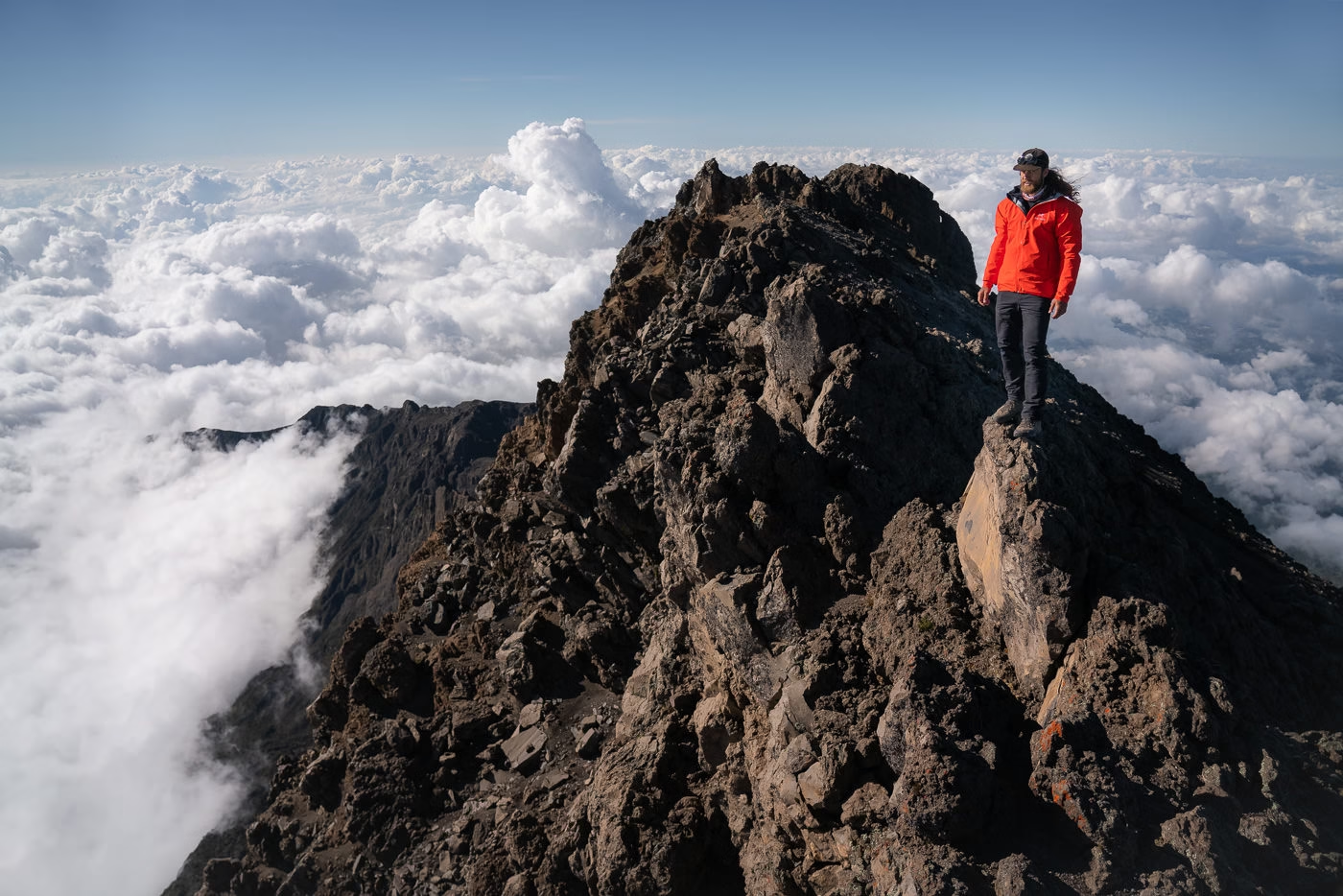

Things You Need to Know Before Climbing Mt. Meru in Tanzania
Things You Need to Know Before Climbing Mt. Meru in Tanzania
Mt. Meru, located in Arusha National Park in Tanzania, is the second-highest peak in the country after Mt. Kilimanjaro. With its breathtaking views, rich wildlife, and diverse ecosystems, climbing Mt. Meru is a challenging yet rewarding adventure. Before you embark on this thrilling journey, here are essential things you need to know to ensure a successful and safe climb.
1. The Difficulty Level of Mt. Meru
While Mt. Meru is often considered a less technical climb than Mt. Kilimanjaro, it is still a challenging trek due to its rugged terrain, steep ascents, and altitude. The climb involves several days of hiking, with an ascent to the summit at 4,566 meters (14,980 feet). The trek is physically demanding and requires good fitness, endurance, and mental strength. If you have no prior hiking experience at high altitudes, it’s advisable to train and build stamina before your trip.
2. The Route and Duration of the Climb
There are several routes you can take to reach the summit of Mt. Meru, with the Momella Route being the most popular. The typical climb lasts 4 to 5 days. Most treks begin at the Momella Gate, and you will hike through lush forests, savannah, and alpine meadows before reaching the summit. Here’s a general breakdown of the trekking days:
- Day 1: Momella Gate to Miriakamba Hut (2,500 meters)
- Day 2: Miriakamba Hut to Saddle Hut (3,570 meters)
- Day 3: Saddle Hut to the summit (4,566 meters), then descend to Miriakamba Hut or Momella Gate
- Day 4: Descend back to Momella Gate
The climb is usually done over a period of 3 to 5 days, depending on the pace and acclimatization needs.
3. Acclimatization is Key
Due to the altitude, proper acclimatization is crucial to avoid altitude sickness. Mt. Meru’s climbing itinerary is designed with enough time for gradual ascents, allowing your body to adjust to the changing altitude. It’s common for trekkers to experience symptoms of altitude sickness, such as headaches, nausea, or dizziness, especially after reaching higher altitudes. Listen to your body and take things slow to ensure proper acclimatization.
4. The Best Time to Climb Mt. Meru
The best time to climb Mt. Meru is during Tanzania’s dry season, which runs from June to October. These months offer the best weather conditions, with clear skies, fewer clouds, and minimal rain, making the climb more enjoyable and safe. The short rainy season (November to December) and the long rainy season (March to May) are less ideal, as the trails can become muddy, slippery, and difficult to navigate.
5. Wildlife Encounters Along the Way
One of the unique aspects of climbing Mt. Meru is the chance to experience Tanzania’s wildlife. The mountain is located in Arusha National Park, a protected area teeming with diverse flora and fauna. While climbing, you’ll pass through various habitats, from dense forests to open savannah, offering opportunities to spot animals like:
- Giraffes
- Buffaloes
- Monkeys
- Zebras
- Bird species
Although encounters with dangerous animals like lions or elephants are rare on the trek, it’s essential to stay aware of your surroundings and follow your guide’s instructions. Additionally, you may spot herds of buffalo near the base, so make sure your guide is with you when passing through such areas.
6. Permits and Regulations
To climb Mt. Meru, you will need to obtain a climbing permit from the Tanzania National Park Authority (TANAPA). These permits are typically arranged through a licensed tour operator, as climbing Mt. Meru requires a certified guide. You will also need to factor in the cost of park fees, rescue fees, and mandatory porter services. The trekking fees vary, depending on the route, duration, and the time of year.
7. What to Pack for the Climb
Packing the right gear is crucial to ensuring your safety and comfort during the trek. Essential items include:
- Clothing: lightweight clothing for the lower altitudes, warm layers for higher altitudes, waterproof jackets, and sturdy hiking boots.
- Backpack: A small daypack for carrying personal items like water, snacks, and a camera.
- Headlamp: Useful for early morning or evening treks.
- Sunscreen and sunglasses: To protect your skin and eyes from the sun’s intensity.
- Sleeping Bag: A warm sleeping bag suitable for high-altitude camping.
- Water: Carry a refillable water bottle to stay hydrated, and make sure to purify the water you drink.
8. Hiring a Guide and Support Team
All climbers on Mt. Meru are required to have a qualified guide, and it is highly recommended to hire a professional guide with knowledge of the terrain and the mountain. Your guide will not only ensure safety but also provide insights into the natural surroundings and assist with acclimatization. You will also have porters who carry your gear and help with camp setup. Their support is vital for a smooth and enjoyable climb.
9. Summit Day: Preparing for the Final Ascent
Summiting Mt. Meru is an intense and exhilarating experience. The final push to the summit usually begins early in the morning (around 1 a.m.), so you can reach the peak at sunrise and enjoy breathtaking views of Mt. Kilimanjaro in the distance. The climb to the summit is steep, and the altitude will make it feel more strenuous. Make sure to bring enough water, snacks, and a headlamp for the early morning trek.
10. Physical and Mental Preparation
Climbing Mt. Meru requires both physical and mental preparation. While the climb isn’t as technical as some of the world’s higher peaks, it still demands strength and endurance. Prior to your trip, engage in regular cardiovascular and strength training exercises to build your stamina. Mental resilience is equally important, as the altitude and challenging terrain can test your limits. Keep a positive mindset and trust in your guide and team.
Plan your safari
Climbing Mt. Meru is a thrilling adventure that offers a rewarding challenge for trekking enthusiasts. The stunning views, diverse wildlife, and the sense of accomplishment upon reaching the summit make it a memorable experience. By preparing adequately, acclimatizing properly, and respecting the mountain’s challenges, you’ll be ready to tackle this stunning Tanzanian peak and enjoy an unforgettable journey.