
Can Hippos Swim?
Can Hippos Swim?
Hippos are among Africa’s most captivating yet misunderstood animals, especially when it comes to how they interact with water. These semiaquatic mammals spend most of their lives in rivers, lakes, and swamps. But despite their watery habitat, hippos cannot swim in the conventional sense. Let’s explore how these massive creatures navigate water, why they can’t swim like other aquatic animals, and what makes them so unique.
Do Hippos Swim?
No—hippos don’t swim. Unlike seals, dolphins, or even ducks, hippos lack the anatomical traits needed for traditional swimming. Instead, they move through water by walking or galloping along the bottom of rivers and lakes. Their powerful legs and dense bodies help them navigate aquatic environments without ever truly swimming.
Why Can’t Hippos Swim?
Several physical limitations prevent hippos from swimming:
- Dense Body Structure: Their massive size and bone density cause them to sink rather than float.
- Short, Muscular Legs: These are perfect for walking on land and riverbeds but not for paddling or propulsion.
- Lack of Streamlined Features: Hippos don’t have flippers or tails designed for swimming like dolphins or seals.
How Do Hippos Move in Water?
Hippos have a remarkable way of moving underwater that creates the illusion of swimming:
- Walking on the Bottom: They push off the riverbed with their legs, using a slow, galloping motion.
- Leaping Through Water: In deeper areas, they perform porpoise-like jumps off the bottom.
- Gliding and Bouncing: Using momentum and their weight, they glide gracefully through water with surprising agility.
- Controlled Breathing: Hippos surface to breathe every 3–5 minutes, using their legs to push upward. They can hold their breath for over five minutes when submerged.
Aquatic Adaptations That Help Hippos Thrive
Though they can’t swim, hippos are perfectly adapted for life in water:
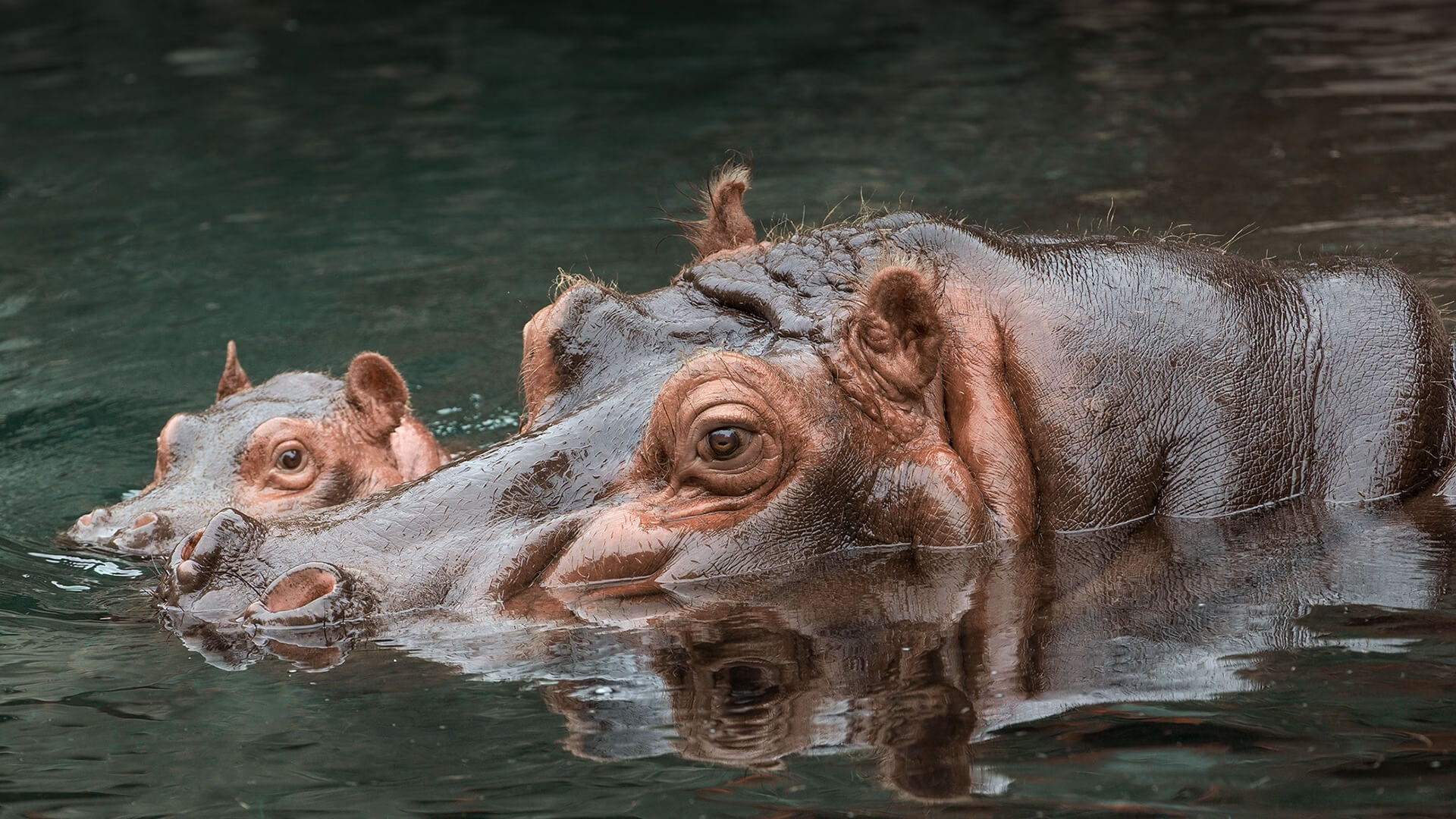
- Eyes, Ears, and Nostrils on Top: These features allow them to stay mostly submerged while remaining alert.
- Waterproof Skin: Their thick skin secretes a reddish fluid (nicknamed “blood sweat”) that acts as a sunscreen and antiseptic.
- Protective Eyelids: A transparent membrane shields their eyes underwater.
- Reflexive Breathing: Even while sleeping underwater, hippos surface to breathe without waking.
Daily Life of Hippos in Water
Hippos spend about 16 hours a day submerged in water. Here’s how they make use of their aquatic time:
- Social Behavior: They gather in pods of up to 30 individuals, engaging in social bonding.
- Mating and Birthing: These activities occur in water, where buoyancy supports their massive weight.
- Feeding: At night, hippos leave the water to graze on land, traveling miles in search of food.
- Territorial Displays: Males fiercely defend their stretch of river, often fighting for dominance.
How Fast Are Hippos in Water?
Underwater, hippos can move at speeds of up to 5 miles per hour (8 km/h) using their galloping motion. On land, they can run as fast as 22 miles per hour (35 km/h) over short distances.
Why the Confusion About Hippos Swimming?
Hippos appear to move fluidly underwater, which leads many to assume they are swimming. But since they cannot float or paddle, what we see is a combination of bouncing, pushing off the bottom, and gliding—not actual swimming.
Comparison With Other Aquatic Mammals
| Animal | Swimming Ability | Key Features |
| Hippos | Cannot swim | Walk/gallop underwater |
| Dolphins | Excellent swimmers | Fins and streamlined bodies |
| Manatees | Buoyant and slow swimmers | Flippers and paddle-like tails |
| Crocodiles | Swim with tails | Spend time basking or submerged |
| Whales | Fully aquatic | Relatives of hippos (evolution) |
Interestingly, whales are the closest living relatives of hippos. Both evolved from a common semiaquatic ancestor millions of years ago.
FAQs About Hippos and Swimming
Can hippos drown?
Yes, though rare. If injured or trapped and unable to surface for air, a hippo can drown.
Do hippos prefer shallow or deep water?
They are comfortable in both. Shallow waters allow them to stand, while deep areas let them leap and bounce.
Why are hippos dangerous?
They are territorial, aggressive, and unpredictable—especially in water. Their size, speed, and powerful jaws make them one of Africa’s deadliest animals.
Conservation Status of Hippos
Hippos face threats from habitat loss, water scarcity, and illegal hunting. There are two species:
- Common Hippo (Hippopotamus amphibius) – Found in sub-Saharan Africa; listed as Vulnerable.
- Pygmy Hippo (Choeropsis liberiensis) – Found in West Africa; Critically Endangered due to deforestation and poaching.
Conservation programs focus on habitat protection, anti-poaching measures, and community education to safeguard these species.
Plan Your Safari to See Hippos in Action
For those hoping to witness hippos up close, Africa’s river systems and lakes offer the perfect opportunity. Top destinations include the Okavango Delta (Botswana), Kazinga Channel (Uganda), Luangwa River (Zambia), and Mara River (Kenya/Tanzania). Watching hippos surface for air, engage in territorial disputes, or simply lounge in the water is an unforgettable safari experience.