
What to Know About Bwindi Impenetrable National Park
What to Know About Bwindi Impenetrable National Park.
Bwindi Impenetrable National Park, Nestled in the heart of southwestern Uganda, it’s one of Africa’s most famous natural wonders. Renowned for its breathtaking biodiversity, its name, “Impenetrable,” reflects the dense and rugged terrain of the forest, which is home to some of the most endangered wildlife in the world, including the mountain gorillas. This UNESCO World Heritage Site is a must-visit destination for nature lovers and wildlife enthusiasts.
-
Location and Accessibility
Bwindi Impenetrable National Park is located in southwestern Uganda, bordering the Virunga Mountains in the Ruhija, Buhoma, Rushaga, and Nkuringo sectors. The park spans over 331 square kilometers (128 square miles) and is accessible from Kabale or Kisoro towns.
Travel from Kampala: The drive from Kampala, Uganda’s capital, takes approximately 8-10 hours by road, covering 510 kilometers (about 317 miles).
Air travel: For those with limited time, domestic flights are available to Kisoro or Kampala, followed by a road transfer to the park.
-
World’s Best Destination for Gorilla Trekking
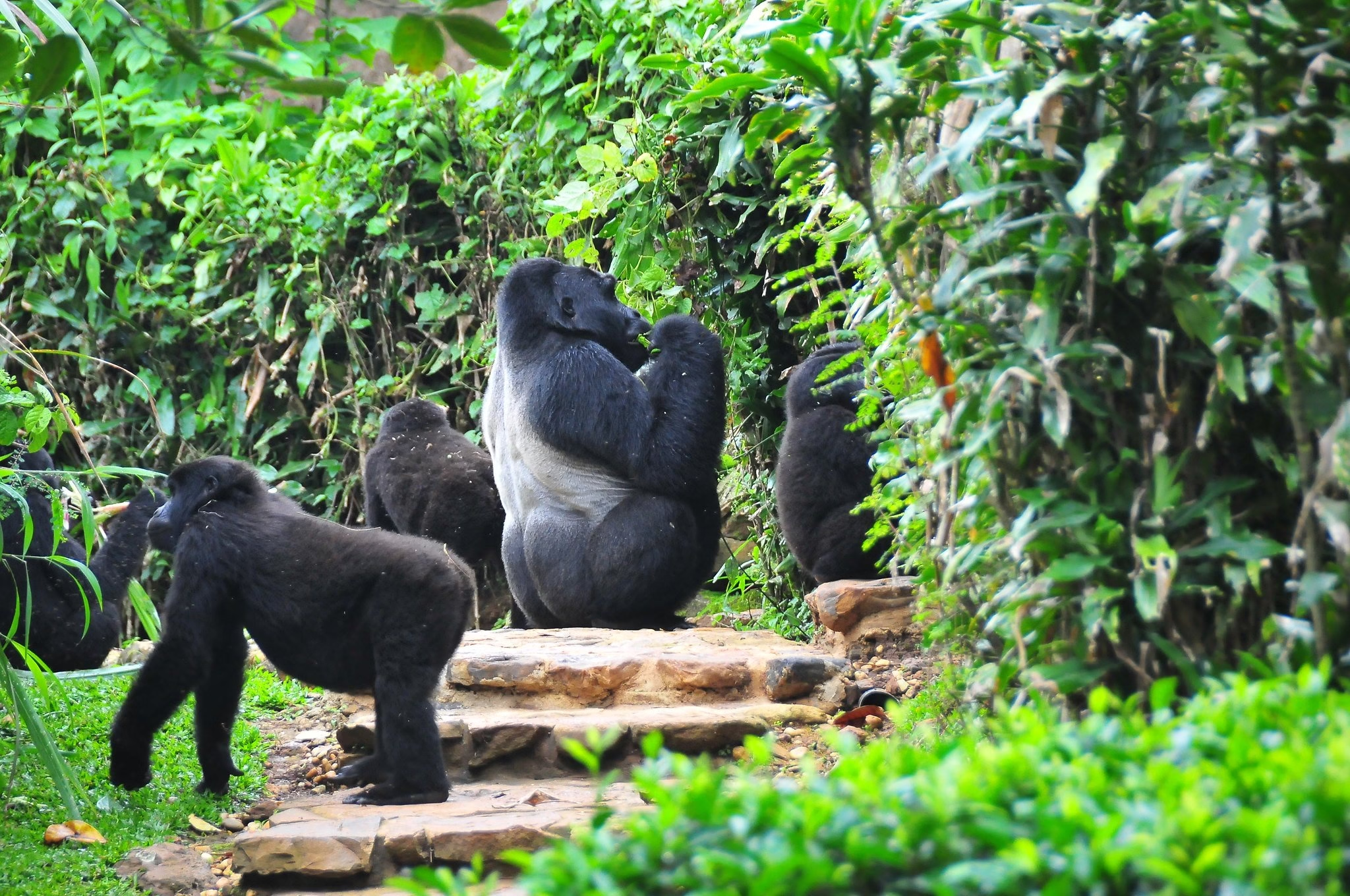
Bwindi is one of only two places in the world where tourists can go on a mountain gorilla trekking adventure. The park is home to nearly half of the world’s remaining mountain gorillas (about 459 individuals). This rare opportunity is one of the primary reasons for its global appeal.
Gorilla Trekking: The trek usually takes between 2 to 8 hours, depending on the gorilla group’s location. It involves hiking through dense vegetation, often steep slopes, and mist-covered forests.
Permit Costs: A gorilla permit in Bwindi costs $700 per person, which includes park entry fees, a guide, and a ranger to ensure the safety of trekkers and the gorillas.
Gorilla Habituation Experience: Bwindi offers a unique gorilla habituation experience, where you can spend 4 hours with a mountain gorilla group under the guidance of researchers and trackers, at a slightly higher fee.
-
Diverse Wildlife and Birdwatching
Apart from gorillas, Bwindi Impenetrable Forest is a biodiversity hotspot. The park is home to a wide variety of animals, birds, and plant species. It’s a birdwatcher’s paradise with over 350 species of birds, many of which are endemic to the region.
- Wildlife: Besides the mountain gorillas, other animals in Bwindi include forest elephants, chimpanzees, baboons, duikers, and antelopes.
- Birdwatching: Birding enthusiasts can spot species like the African green broadbill, yellow-eyed black flycatcher, and the Rwenzori turaco, which are rare or endemic to the region.
-
A Rich Cultural Heritage
The region surrounding Bwindi is home to several indigenous communities, such as the Batwa people, also known as “Pygmies.” These indigenous groups have historically relied on the forest for food, shelter, and medicinal plants. Although the Batwa were displaced due to the creation of the park, they have become a vital part of the community-based tourism experiences in Bwindi.
- Batwa Cultural Experiences: Travelers can visit Batwa communities and learn about their traditional ways of life, including their music, dance, and hunting practices.
- Local Communities: Other communities like the Bakiga and Bafumbira offer an authentic cultural experience, including local crafts, foods, and insights into rural Ugandan life.
-
Dense and Rugged Terrain
Bwindi Impenetrable National Park is characterized by dense, mist-covered forest, which can make hiking challenging. The forest is part of the larger Albertine Rift and is renowned for its rich vegetation, which includes over 200 species of trees, 100 species of ferns, and more than 300 species of butterflies.
- Hiking Trails: In addition to gorilla trekking, visitors can enjoy other trails, such as the Munyanga Waterfall Trail and the Rushura Hill Trail, for scenic views of the forest and surrounding valleys.
- Weather: The park experiences a tropical rainforest climate, with heavy rainfall year-round, particularly from March to May and October to November. It’s advisable to wear sturdy waterproof boots and light rain gear when trekking.
-
Gorilla Trekking Sectors in Bwindi
Bwindi is divided into four main sectors, each offering a unique experience for visitors:
- Buhoma Sector: The most popular sector, home to several gorilla families, including the famous Mubare group. Buhoma also has the Buhoma Community Rest Camp for accommodations.
- Rushaga Sector: Known for the Nkuringo gorilla group and offering the gorilla habituation experience. It’s also home to the Rushaga Gorilla Lodge.
- Ruhija Sector: A quieter sector known for the Kyaguliro and Oruzogo gorilla families, and a good option for those looking for a less crowded experience.
- Nkuringo Sector: Home to the Nkuringo group and provides a rugged, rewarding trek through some of the park’s steepest terrain.
-
Sustainable Tourism and Conservation Efforts
Sustainable tourism is at the core of Bwindi’s management. The park’s eco-tourism initiatives protect its ecosystems and benefit surrounding communities. They promote conservation awareness and generate income through tourism.
-
Accommodation Options
Bwindi Impenetrable National Park offers a range of accommodation options, from luxury lodges to budget camps and community-run guesthouses. Some of the popular accommodations include;
- Gorilla Forest Camp: A luxury tented camp with beautiful views of the forest.
- Buhoma Lodge: Offering comfortable, eco-friendly accommodations near the Buhoma sector.
- Nkuringo Bwindi Gorilla Lodge: Known for its stunning views of the Virunga Volcanoes and proximity to the Nkuringo sector.
-
Best Time to Visit Bwindi Impenetrable National Park
The best time to visit Bwindi is during the dry seasons, from June to August and December to February. The trails are more accessible, and the weather is less rainy, making it easier to trek. However, the park is open year-round for gorilla trekking.
Plan your safari.
Bwindi Impenetrable National Park offers a life-changing experience for nature lovers and adventure seekers alike. Whether trekking for gorillas, exploring diverse wildlife, or immersing yourself in the rich cultural heritage, Bwindi offers an unforgettable African adventure. Conservation efforts and sustainable tourism practices help protect this gem for future generations, allowing visitors to connect with nature and its inhabitants in a way few places on earth can.