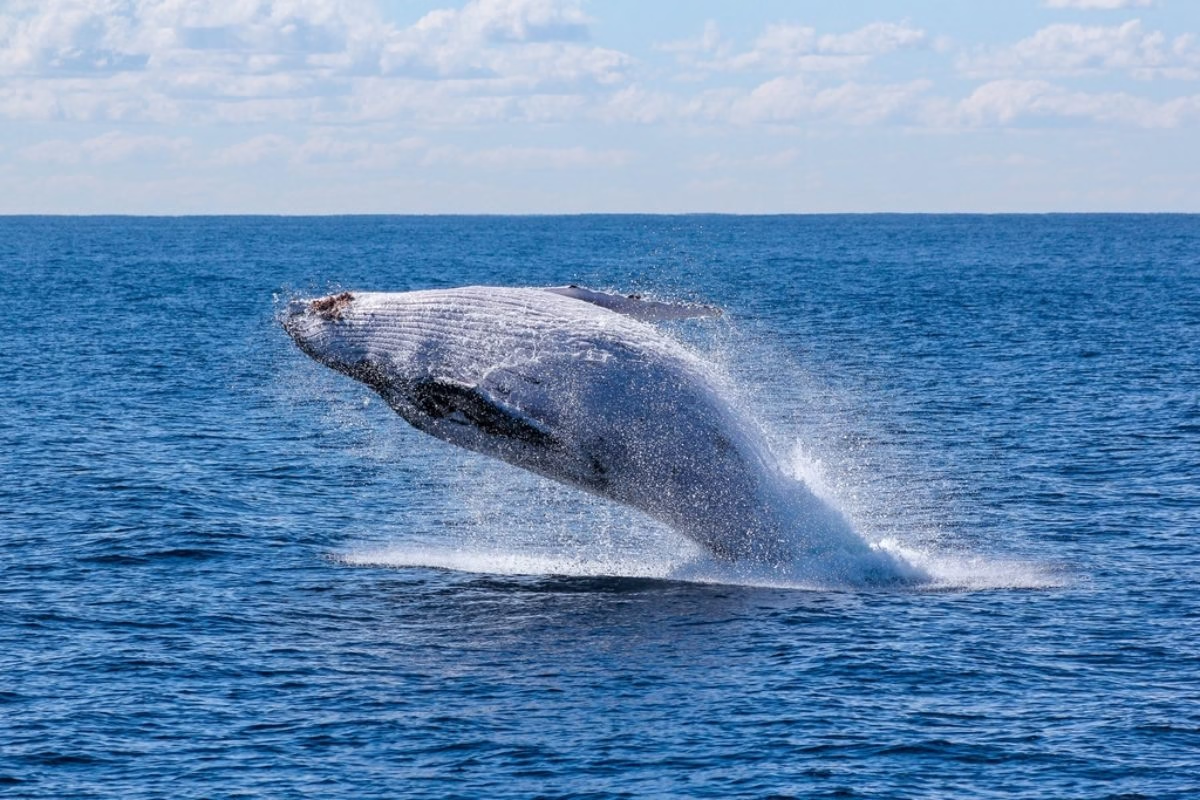

Biggest Animals in the World: Top 10 Giants of Nature
Biggest Animals in the World: Top 10 Giants of Nature
Biggest Animals in the World. From ocean depths to African plains, Earth is home to some astonishingly large creatures. These giants dominate their ecosystems and fascinate scientists and wildlife enthusiasts alike. This guide highlights the top 10 biggest animals in the world, focusing on their combined physical size, including length, height, and weight.
-
Blue Whale (Balaenoptera musculus)
The blue whale holds the title as the largest animal to have ever lived—outweighing even the biggest dinosaurs. A fully grown blue whale can reach up to 30 meters (98 feet) in length and weigh as much as 180 tons. Found in all major oceans, these gentle giants feed mostly on krill, consuming up to 4 tons per day during peak feeding seasons.
-
African Elephant (Loxodonta africana)
Africa’s savannah elephant is the largest land animal on Earth. Mature bulls can stand over 4 meters (13 feet) tall at the shoulder and weigh up to 12 tons. Their massive ears help regulate body temperature, and their trunks are powerful tools used for communication, feeding, and defense.
-
Colossal Squid (Mesonychoteuthis hamiltoni)
Rarely seen in the wild, the colossal squid inhabits the deep Southern Ocean. It’s the largest invertebrate known to science, capable of growing up to 14 meters (46 feet) long and weighing an estimated 500–700 kilograms. Its enormous eyes—among the largest in the animal kingdom—help it detect prey in pitch-black depths.
-
Giraffe (Giraffa camelopardalis)
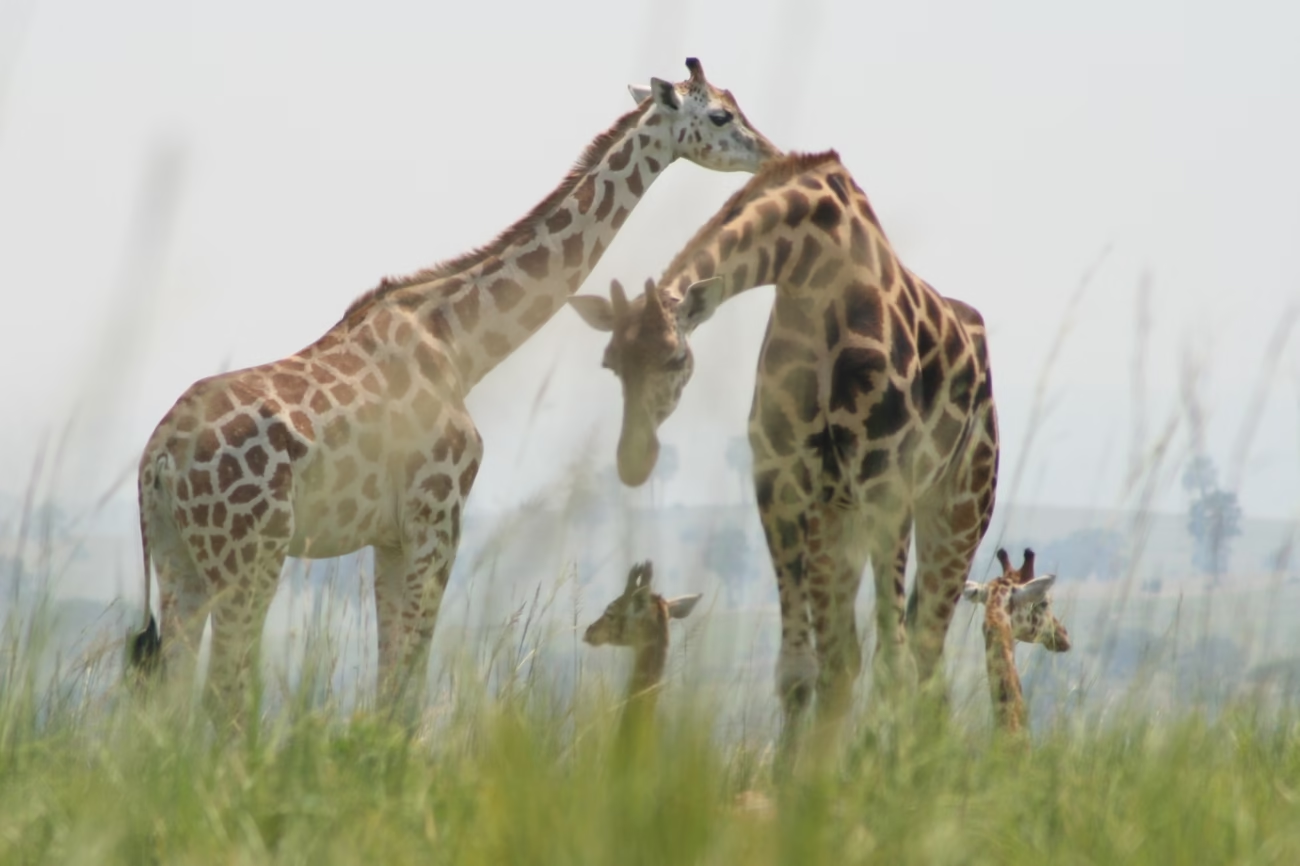
The giraffe is the tallest land animal, with adult males reaching heights of up to 6 meters (20 feet) and weighing up to 1,900 kilograms. Their long necks help them browse treetops, and their height offers a wide visual range to detect predators from afar.
-
Whale Shark (Rhincodon typus)
As the largest fish in the world, the whale shark can grow to about 12 meters (40 feet) in length and weigh roughly 20 tons. Despite its size, it’s a filter feeder, peacefully gliding through tropical oceans while consuming plankton and small fish.
-
Saltwater Crocodile (Crocodylus porosus)
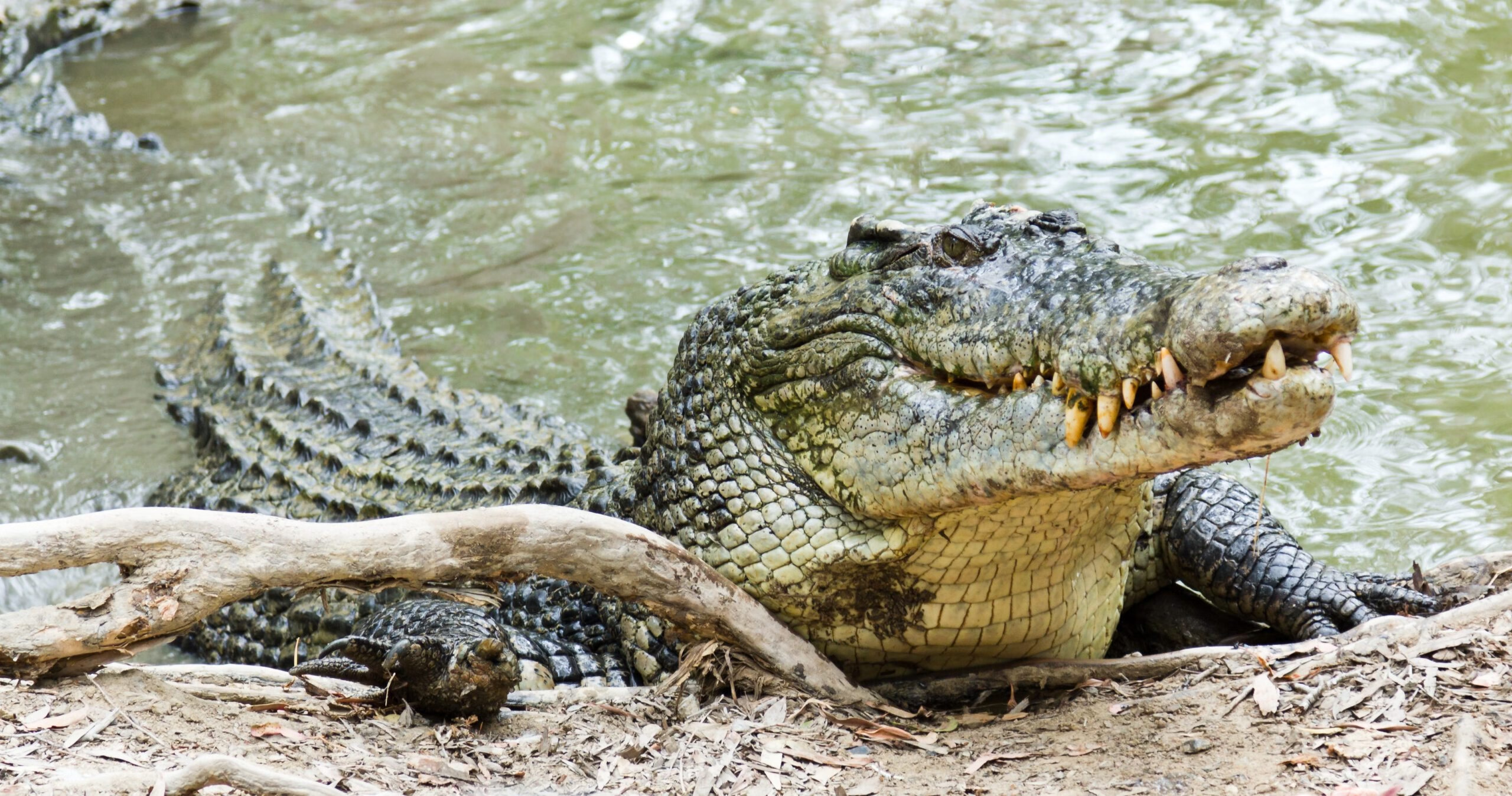
The saltwater crocodile is the largest living reptile. Males can exceed 7 meters (23 feet) in length and weigh up to 1,000 kilograms. These apex predators are stealthy and powerful, often lurking in rivers, estuaries, and coastal waters across Southeast Asia and northern Australia.
-
Brown Bear (Ursus arctos)
Among the largest land carnivores, the brown bear—particularly the Kodiak subspecies—can stand over 3 meters (10 feet) tall when on its hind legs and weigh up to 680 kilograms. Found in North America and Russia, these bears combine strength with surprising agility.
-
Polar Bear (Ursus maritimus)
Native to the Arctic, the polar bear rivals the brown bear in size. Adult males can reach lengths of 3 meters (10 feet) and weigh up to 700 kilograms. These powerful swimmers depend on sea ice to hunt seals and are considered marine mammals due to their aquatic lifestyle.
-
Southern Elephant Seal (Mirounga leonina)
The largest seal species, the southern elephant seal, can grow up to 6.5 meters (21 feet) long and weigh as much as 4,000 kilograms. Males are far larger than females and battle fiercely for dominance during the breeding season on sub-Antarctic beaches.
-
Hippopotamus (Hippopotamus amphibius)
The hippo is Africa’s heaviest land mammal after the elephant. It can reach lengths of up to 5 meters (16.5 feet) and weigh around 3,200 kilograms. Although semi-aquatic and often seen lounging in water, hippos are fast, territorial, and considered one of the most dangerous animals in Africa.
Plan Your Safari to See the Giants
From the vast blue whale roaming the oceans to the towering giraffe in the African bush, nature’s largest animals inspire awe and curiosity. Understanding their role in ecosystems reminds us why conservation and responsible tourism are crucial to their survival. Many of the world’s biggest animals can be seen in the wild, especially across African landscapes and coastal waters. Here are top destinations:
- African Elephants & Giraffes:
- Where: Amboseli and Tsavo (Kenya), Chobe (Botswana), Serengeti (Tanzania), Etosha (Namibia)
- How: Classic game drives and walking safaris
- Hippopotamuses:
- Where: Murchison Falls (Uganda), Okavango Delta (Botswana), South Luangwa (Zambia)
- How: Boat safaris or riverside game viewing
- Whale Sharks:
- Where: Mafia Island (Tanzania), Tofo Beach (Mozambique), Donsol (Philippines)
- How: Guided snorkeling and diving tours
- Saltwater Crocodiles:
- Where: Nile River in Uganda and Sudan, Zambezi River (Zambia/Zimbabwe), Kakadu (Australia)
- How: River cruises or wetland drives
Choose guided tours with expert naturalists to learn about the behaviors, threats, and conservation efforts tied to these giants.