
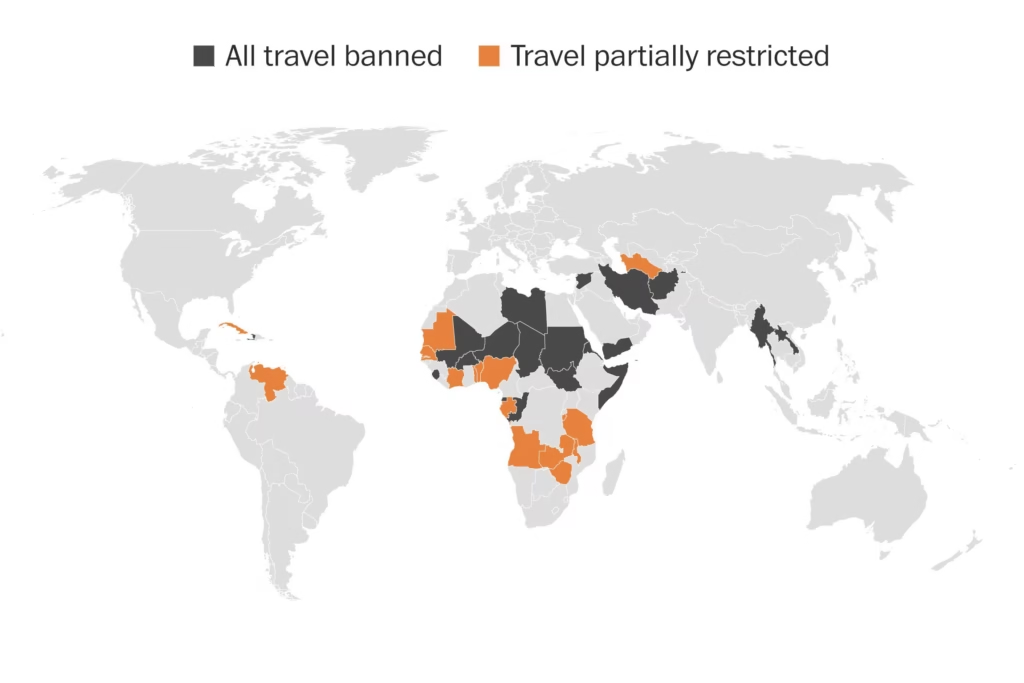
26 African Countries Under Full or Partial U.S. Travel Ban (Post-December Update)
26 African Countries Under Full or Partial U.S. Travel Ban (Post-December Update) Following the December update to U.S.…
Read article →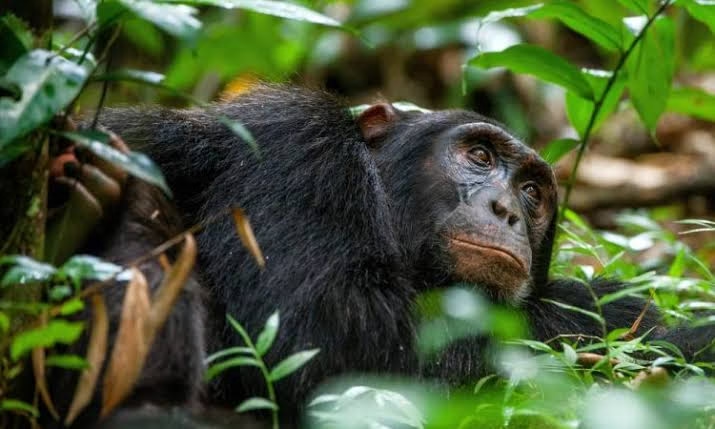
Travel Guide
The best places for chimpanzee trekking, from Uganda and Rwanda Plan your unforgettable wildlife adventure today.
Chimpanzee trekking is one of Africa’s most immersive primate experiences. Walking through a tropical forest while listening for calls in the canopy creates anticipation long before the chimpanzees appear. Once a habituated community is located, visitors have an opportunity to observe the behavior, movement, feeding patterns, and social interactions of one of humanity’s closest living relatives.
Choosing the Best Place for Chimpanzee Trekking depends on the type of safari you want. Some travelers prioritize high chances of encountering chimpanzees. Others want to combine primate tracking with a traditional wildlife safari, birdwatching, gorilla trekking, or a quieter forest experience.
Uganda and Rwanda provide several outstanding options, while Tanzania offers an important chimpanzee destination associated with a long history of primate research. Kibale Forest National Park, Nyungwe Forest National Park, Budongo Forest Reserve, Gombe Stream National Park, and Kyambura Gorge each provide a distinctive setting.
Understanding what separates these destinations can help travelers select a chimpanzee trek that fits naturally into a wider African safari.
Kibale Forest National Park is one of the strongest choices for travelers whose main priority is chimpanzee trekking. The forest is widely associated with primate diversity and is often described as the “Primate Capital of the World.”
The source material highlights a population of more than 1,500 chimpanzees in Kibale. The forest also supports numerous other primates, including colobus monkeys, olive baboons, and red-tailed monkeys.
For travelers, this diversity means that a walk through Kibale can involve much more than searching for chimpanzees. The forest itself becomes part of the experience. Visitors move beneath a dense canopy while guides listen for calls and watch for signs of primate activity.
The source places chimpanzee sighting chances in Kibale at approximately 95–99 percent. Although wildlife sightings can never be treated exactly like scheduled attractions, experienced trackers and habituated chimpanzee communities make Kibale an especially strong destination for visitors hoping to see chimpanzees in the wild.
This combination of chimpanzee numbers, tracking experience, biodiversity, and established tourism infrastructure makes Kibale an important consideration when deciding on the Best Place for Chimpanzee Trekking.
A chimpanzee trek is different from a conventional vehicle-based safari. Instead of driving across open grasslands, visitors enter the forest on foot.
The experience begins with guides leading trekkers along forest paths while looking and listening for signs of chimpanzees. Chimpanzees are highly mobile, so their location changes as they move in search of food and interact with other members of their community.
Their vocalizations can sometimes be one of the most exciting parts of the trek. Calls may carry through the forest before the animals themselves become visible.
Once chimpanzees are located, visitors can observe their behavior under the supervision of guides. Some individuals may remain on the ground, while others climb through the trees. The forest setting means patience and careful observation are essential.
The unpredictability is part of the attraction. Chimpanzee trekking is not simply about obtaining a photograph. It is about entering the animals’ habitat and observing part of their natural daily routine.
Kibale also offers a chimpanzee habituation experience. This provides visitors with a longer and more detailed primate encounter than a standard trek.
Habituation is the gradual process through which wild chimpanzees become accustomed to the presence of researchers, trackers, and carefully managed visitors. The process allows people to observe the animals while reducing disruptive responses to human presence.
For travelers with a strong interest in primate behavior, photography, or conservation, the habituation experience can be particularly rewarding. More time in the forest means more opportunities to see different aspects of chimpanzee behavior.
Visitors should nevertheless prepare for a demanding day. Following chimpanzees through a forest can involve extended walking, uneven terrain, vegetation, and changing weather.
For a dedicated primate safari, combining chimpanzee tracking or habituation in Kibale with other wildlife experiences can create an exceptionally varied Uganda itinerary.
Rwanda’s Nyungwe Forest National Park provides another important chimpanzee trekking destination. The source describes Nyungwe as a pristine rainforest in southern Rwanda and emphasizes its lush trails, scenic landscapes, and quieter forest experience.
Nyungwe is especially appealing to travelers building a broader Rwanda itinerary. A visitor may combine chimpanzee trekking with Kigali, Lake Kivu, or other experiences elsewhere in the country.
The forest atmosphere is one of Nyungwe’s major attractions. Trekking takes place in a landscape of dense vegetation and rolling forest terrain, making the journey itself an important part of the day.
Nyungwe also supports other primates. The source specifically mentions black-and-white colobus monkeys and L’Hoest’s monkeys among the species visitors may encounter.
This wider primate diversity means travelers do not have to treat chimpanzee trekking as an isolated activity. Spending additional time in the forest can create a more complete appreciation of the ecosystem.
Nyungwe works particularly well for travelers who want chimpanzee trekking within a Rwanda-focused safari.
Rather than crossing into another country, visitors can incorporate the forest into an itinerary that begins or ends in Kigali. The journey into southern Rwanda also reveals a different landscape from the capital and the northern volcanic region.
The source emphasizes that Nyungwe can offer a quieter and more intimate experience than some other chimpanzee destinations. For travelers who appreciate rainforest scenery as much as the wildlife encounter, this is an important consideration.
Chimpanzee tracking can also be combined with other forest activities, creating a longer stay rather than a quick visit centered on one excursion.
For photographers, the dense forest presents both opportunities and challenges. Light changes constantly beneath the canopy, while chimpanzees may move quickly through vegetation. Being prepared for these conditions can make the experience more rewarding.
Budongo Forest Reserve is another significant chimpanzee destination in Uganda. Its location makes it particularly useful for travelers already visiting Murchison Falls National Park.
This creates an appealing combination. A safari can include chimpanzee trekking in a forest environment and then continue with wildlife experiences in the wider Murchison Falls region.
The source describes Budongo as a quieter alternative to Kibale with fewer trekkers. That can appeal to travelers who prefer less crowded wildlife experiences.
Birdlife adds another dimension. The source notes more than 360 bird species alongside the chimpanzees, making Budongo attractive to travelers who enjoy both primates and birdwatching.
A visit therefore does not need to focus exclusively on chimpanzees. Walking through the forest can involve listening for birds, observing vegetation, watching other wildlife, and appreciating the ecosystem as a whole.
For travelers planning northern Uganda itineraries, Budongo can be an efficient way to add a primate experience without making a separate journey to western Uganda specifically for Kibale.
Gombe Stream National Park offers a chimpanzee experience with an important connection to primate research. The park is famous for the work of Dr. Jane Goodall, whose research helped transform scientific understanding of chimpanzee behavior.
This history gives Gombe a distinctive identity among Africa’s chimpanzee destinations. Visitors are not simply entering a chimpanzee habitat; they are exploring a landscape strongly associated with decades of observation and research.
The source also emphasizes the setting overlooking Lake Tanganyika. Forested terrain combined with lake scenery gives Gombe a very different atmosphere from Uganda’s and Rwanda’s chimpanzee destinations.
For travelers interested in the history of primatology, chimpanzee behavior, and research, Gombe can therefore have particular appeal.
Its role in chimpanzee research also reminds visitors that modern primate tourism is connected to long-term observation and conservation work.
Kyambura Gorge offers one of Uganda’s most unusual chimpanzee trekking environments. Located within Queen Elizabeth National Park, the gorge provides a forested contrast to the surrounding safari landscapes.
The source describes Kyambura as the “Valley of Apes.” Its steep, lush environment creates a striking setting for a chimpanzee trek.
Its location is one of its greatest advantages. Travelers already visiting Queen Elizabeth National Park can add chimpanzee tracking without significantly changing the overall safari route.
This makes it particularly attractive to visitors who want both a traditional wildlife safari and a primate experience.
A typical itinerary can include game viewing in Queen Elizabeth National Park and a separate excursion into Kyambura Gorge. The change from open landscapes to dense vegetation makes the two activities feel completely different.
For travelers with limited time, this ability to combine experiences within the same broader destination can be extremely valuable.
Travelers visiting western Uganda sometimes need to decide whether to trek chimpanzees in Kibale or Kyambura Gorge.
Kibale is particularly suited to travelers who consider chimpanzee trekking one of the central objectives of their trip. The forest’s chimpanzee population and established primate tourism experience give it a strong reputation.
Kyambura Gorge may fit better when chimpanzee tracking is being added to a Queen Elizabeth National Park safari. It allows visitors to experience a forest ecosystem without creating a completely separate safari route.
Travelers with enough time can include both areas, especially when moving through western Uganda on a longer itinerary.
The decision should therefore be based on the structure of the entire safari rather than simply selecting a destination in isolation.
Preparation makes a forest trek considerably more comfortable. The source recommends hiking boots, long-sleeved clothing, insect repellent, and a camera.
Good footwear is particularly important. Forest trails can be uneven and may become slippery when wet. Shoes with dependable grip help visitors move more confidently.
Long trousers and long sleeves protect the skin from vegetation and insects. Lightweight clothing that remains comfortable while walking is generally preferable to heavy garments.
A small backpack can carry water, rain protection, photography equipment, and personal essentials.
Travelers interested in photography should remember that chimpanzees can move quickly. Equipment should therefore be accessible rather than buried inside a large bag.
Chimpanzee tourism depends on responsible visitor behavior. The source emphasizes maintaining an appropriate distance, avoiding feeding chimpanzees, and following park rules.
Instructions from guides should always take priority during the encounter. These rules are designed to protect both the chimpanzees and visitors.
Travelers should avoid making unnecessary noise or trying to influence an animal’s behavior for photographs. Chimpanzees should be observed as wild animals rather than encouraged to interact with people.
The forest itself also deserves respect. Remaining with the guide and avoiding damage to vegetation helps reduce the impact of tourism.
Responsible behavior ensures that future visitors can continue experiencing chimpanzees while supporting conservation of their habitats.
The source recommends booking permits in advance, particularly during high-demand periods.
This is especially important when chimpanzee trekking is a central part of the safari. Accommodation, transportation, and the wider itinerary often depend on the confirmed tracking date.
Travelers should first decide which destination fits their route. Someone visiting Murchison Falls may find Budongo convenient. A Queen Elizabeth itinerary can incorporate Kyambura Gorge. A dedicated Uganda primate safari may naturally include Kibale, while a Rwanda itinerary can incorporate Nyungwe.
Planning the experience within the wider journey helps reduce unnecessary transfers and creates a smoother safari.
There is no single answer that suits every traveler. Kibale Forest National Park stands out for its large chimpanzee population, established trekking experiences, and primate diversity. Nyungwe provides an impressive rainforest experience for travelers exploring Rwanda. Budongo fits naturally with a Murchison Falls safari, while Kyambura Gorge can be combined conveniently with Queen Elizabeth National Park.
Gombe Stream National Park offers something different again, combining chimpanzee encounters with an extraordinary history of primate research.
The Best Place for Chimpanzee Trekking therefore depends on your wider safari route, available time, interest in other wildlife, and the type of forest experience you want.
Whichever destination you choose, walking through an African forest in search of wild chimpanzees offers something that a conventional game drive cannot reproduce. The sounds of the forest, anticipation of tracking, and opportunity to observe chimpanzee behavior make it one of Africa’s most memorable wildlife adventures.

26 African Countries Under Full or Partial U.S. Travel Ban (Post-December Update) Following the December update to U.S.…
Read article →
3 Days Congo Gorilla Safari – Encounter the Gentle Giants of Virunga A 3 Days Congo Gorilla Safari…
Read article →
Children and Kids on Safari – Family-Friendly Adventures in Africa Taking children on an African safari is one…
Read article →
How to Plan a Safari in Uganda—Your Complete Travel Guide Planning a safari in Uganda is the start…
Read article →