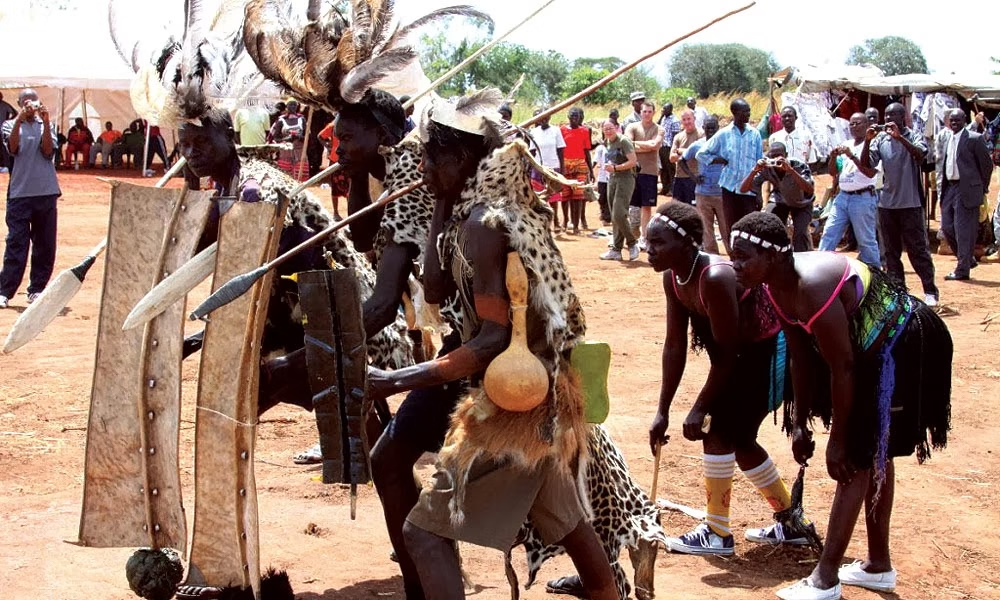

Acholi culture Uganda
Inside Acholi Culture: Heritage, Music, and the Resilience of Northern Uganda
Acholi culture Uganda. The Acholi people, one of Uganda’s most vibrant ethnic groups, are indigenous to the northern region, especially in districts such as Gulu, Kitgum, and Pader. Their culture, rooted in strong clan systems, rich oral traditions, and expressive music and dance, remains a central part of their identity—even in the face of past hardships.
A Brief History of the Acholi People
The Acholi are part of the larger Luo-speaking ethnic group who migrated from the Bahr el Ghazal region in South Sudan around the 15th century. Settling in northern Uganda, they maintained strong kinship bonds and developed a decentralized system of governance led by chiefs known as Rwodi. These chiefs oversaw several clans and were responsible for justice, cultural preservation, and community well-being.
During colonial times, the British designated northern Uganda as a labor reserve, which limited development in the region and created economic disparities that still linger. In the late 20th century, Acholi land became the epicenter of the Lord’s Resistance Army (LRA) insurgency, which caused untold suffering and displacement. However, the community has shown remarkable resilience, with cultural revival playing a critical role in healing and rebuilding.
Today, the Acholi people continue to preserve their heritage while striving toward education, enterprise, and peacebuilding efforts.
Language and Social Identity
The Acholi speak Leb Acholi, a dialect of the Western Nilotic Luo language. More than communication, the language preserves idioms, proverbs, and poetic forms that hold centuries of wisdom. Families live in tight-knit homesteads, and every person belongs to a clan. The Wangoo, or fire-circle gathering, serves as an informal school where elders narrate tales of the past and teach moral values.
Traditional Leadership and Justice
Acholi society is structured around clan leadership, with each clan traditionally led by a Rwot. These chiefs handle community affairs and perform conflict resolution through traditional justice mechanisms.
One of the most notable systems is Mato Oput—a reconciliation ritual used to resolve serious offenses like murder. The ceremony ends with both families drinking a bitter brew made from the oput tree, symbolizing forgiveness and unity.
Ceremonies, Rituals, and Beliefs
Cultural ceremonies among the Acholi reflect key stages of life—birth, initiation, marriage, and death. Births are welcomed with naming rituals based on events surrounding the child’s arrival. Marriage involves the negotiation of dowries and clan agreements, and death is marked by multi-day mourning rituals involving drumming, dancing, and storytelling.
The Acholi believe in ancestral spirits (jok) who influence fortune and misfortune. Traditional healers, known as ajwaka, consult spirits to provide healing, guidance, or protection.
Music, Dance, and Oral Storytelling
Music and dance play central roles in both daily life and special occasions. Traditional instruments include:
- Nanga: a harp-like string instrument
- Bul: drum used in ceremonies
- Adungu and opuk: other string and wind instruments
Popular dances include:
- Bwola – a royal dance performed by men in circular formations
- Larakaraka – a courtship dance performed at weddings and youth events
- Otiti – a war dance performed to display valor
These performances often include chants and narratives, preserving historical knowledge and moral teachings through song.
Dress and Artistry
Traditionally, Acholi men wore skins or wrapped cloths, while women adorned themselves in long dresses with beads and headwraps. Today, traditional clothing appears mostly during festivals and ceremonies, with daily wear being modern.
Acholi artistry stands out in wood carving, clay pottery, basket weaving, and beadwork. These crafts not only serve practical purposes but also reflect spiritual beliefs and social status.
Modern Acholi Identity
The Acholi have endured significant trials, particularly during the two-decade-long conflict with the LRA. Many communities were displaced into internally displaced person (IDP) camps. Despite this, their cultural pride remained unshaken. Since the conflict’s end, cultural institutions and festivals—like the Acholi Cultural Festival—have played key roles in community rebuilding.
Young people now blend tradition with modernity, fusing traditional music with contemporary genres, promoting Acholi culture through social media, and starting local heritage businesses.
Key Highlights of Acholi Culture
- Origins: Migrated from South Sudan in the 15th century
- Language: Leb Acholi, a dialect of Luo
- Leadership: Clan-based, led by Rwodi (chiefs)
- Justice System: Mato Oput—a restorative justice ceremony
- Dance & Music: Bwola, Larakaraka, Otiti, and use of the nanga harp
- Spiritual Beliefs: Ancestral spirits (jok) and traditional healers (ajwaka)
- Resilience: Rebuilding through cultural revival post-LRA conflict
Plan Your Cultural Visit to Acholi Land
Explore Gulu or Kitgum for an immersive cultural experience. You can join guided storytelling sessions, enjoy traditional dance performances, visit heritage museums, or even take part in community ceremonies if invited. Workshops on Acholi music, crafts, and cooking offer deeper insights into this powerful, resilient culture.