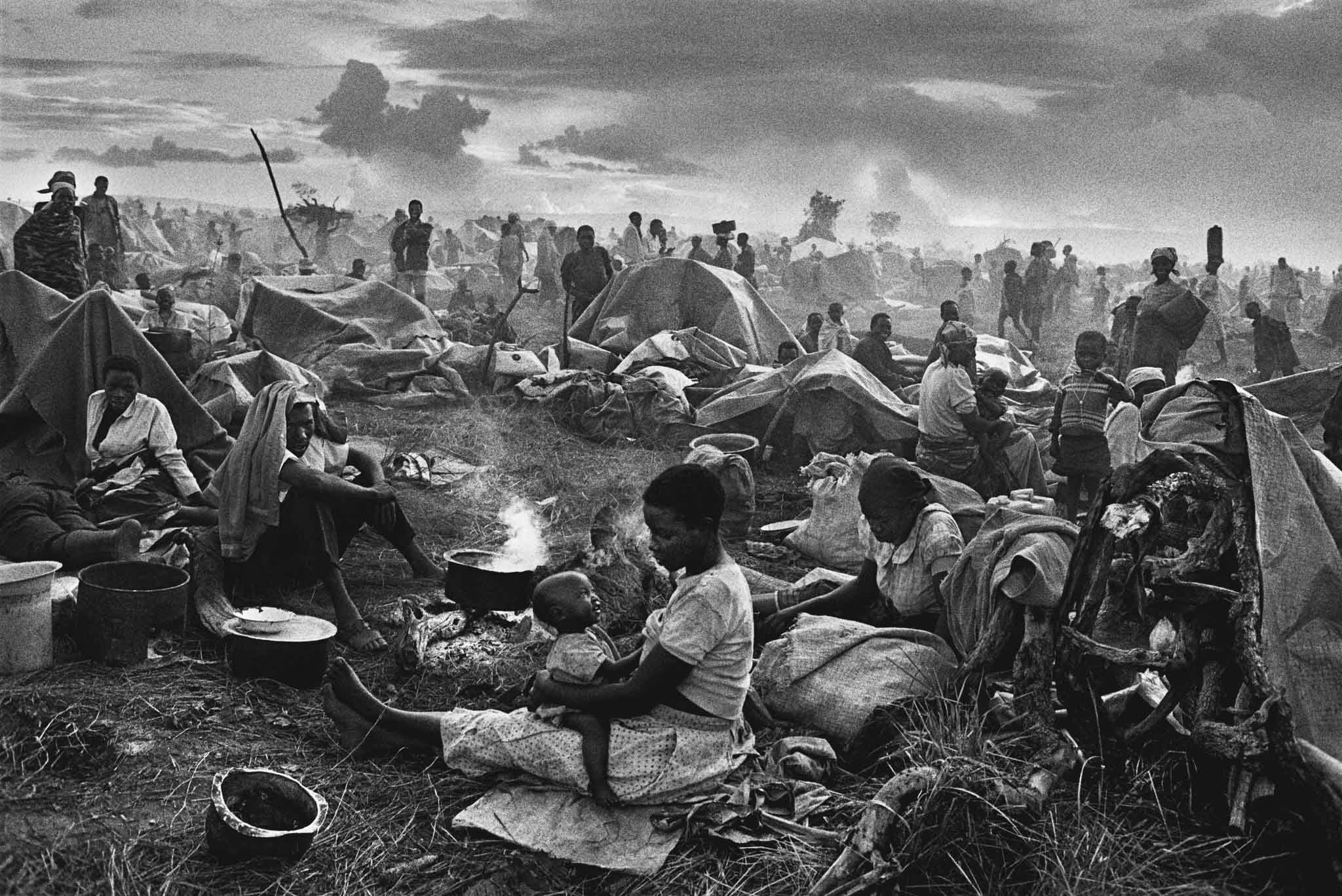

1994 Genocide
The 1994 Genocide Against the Tutsi in Rwanda: A Dark Chapter in History
The 1994 genocide against the Tutsi in Rwanda stands as one of the darkest moments in human history. Over 100 days, from April to July 1994, Hutu extremists brutally murdered approximately 800,000 to 1,000,000 Tutsi and moderate Hutu. Deep-seated ethnic tensions, colonial legacies, and extremist propaganda fueled the genocide. Despite this tragedy, Rwanda has embarked on a remarkable journey of reconciliation and rebuilding.
Historical Background: Ethnic Divisions in Rwanda
The origins of the genocide trace back to colonial rule under Belgium and Germany, which reinforced divisions between the Hutu, Tutsi, and Twa ethnic groups. The Belgian administration issued identity cards categorizing Rwandans by ethnicity, favoring the Tutsi minority for administrative roles. After independence in 1962, power shifted to the Hutu majority, leading to cycles of violence, discrimination, and displacement of Tutsi communities.
The Road to Genocide
Several key events escalated tensions:
- 1973: Juvénal Habyarimana, a Hutu, seized power and established a one-party rule, favoring Hutu elites.
- 1990: The Rwandan Patriotic Front (RPF), led by exiled Tutsi refugees, launched an attack to reclaim their homeland, leading to civil war.
- 1993: A peace agreement, the Arusha Accords, aimed at power-sharing between the government and the RPF, but extremist Hutu leaders opposed it.
- April 6, 1994: President Habyarimana’s plane was shot down. His assassination triggered immediate and systematic massacres across Rwanda.
The 100 Days of Genocide
On April 7, 1994, government forces, the Interahamwe militia, and ordinary citizens began mass killings of Tutsi civilians and moderate Hutu who opposed the genocide. Key aspects of the genocide include:
- Organized massacres: Government officials pre-planned the genocide, distributed weapons, and used radio broadcasts to incite violence.
- Brutality: Killers slaughtered victims with machetes, clubs, and firearms. Militants subjected women to sexual violence.
- Role of the international community: Despite clear signs of genocide, the United Nations and world powers refused to intervene. Leaders withdrew UN peacekeepers, leaving civilians defenseless.
- Resistance: Some individuals and groups, including members of the Rwandan Patriotic Army (RPA), hid and protected Tutsi civilians.
By July 1994, the RPF, led by Paul Kagame, took control of the country, ending the genocide. However, millions were displaced, and Rwanda was left in devastation.
The Aftermath: Seeking Justice and Rebuilding Rwanda
Gacaca Courts: Community-Based Justice
In 2001, Rwanda introduced Gacaca courts, a traditional justice system, to expedite trials for genocide perpetrators. Over 1.9 million cases were tried, allowing survivors to hear confessions and seek justice while fostering reconciliation.
International Criminal Tribunal for Rwanda (ICTR)
Established in 1994, the ICTR, based in Tanzania, prosecuted key genocide leaders. It convicted high-ranking officials, including former Prime Minister Jean Kambanda, for crimes against humanity.
Healing and Reconciliation
- Kwibuka (Remembrance): Every April, Rwanda observes Kwibuka, a national period of mourning to honor genocide victims.
- Genocide Memorials: Sites like the Kigali Genocide Memorial educate people about the tragedy and ensure it is never forgotten.
- Unity and Progress: The government abolished ethnic identity cards and promotes “Rwandanness” to foster national unity.
Rwanda’s Transformation: A Story of Resilience
Despite its tragic past, Rwanda has emerged as a model of economic growth, stability, and reconciliation. Key achievements include:
- Political stability: President Paul Kagame’s leadership has prioritized development and security.
- Economic recovery: Rwanda boasts one of the fastest-growing economies in Africa, investing in tourism, technology, and infrastructure.
- Gender equality: Rwanda has the highest percentage of women in parliament globally.
Plan Your Visit to Rwanda
Today, Rwanda welcomes visitors to experience its breathtaking landscapes, vibrant culture, and historical sites. Tourists can visit genocide memorials, trek with mountain gorillas, and explore the bustling city of Kigali, a symbol of Rwanda’s progress and resilience.
The 1994 Genocide against the Tutsi serves as a stark reminder of the dangers of hatred and division. Yet, Rwanda’s story is also one of hope, unity, and remarkable recovery, demonstrating the power of forgiveness and rebuilding a nation.