
10 Facts About Masai Mara National Reserve
10 Facts About Masai Mara National Reserve
Masai Mara National Reserve stands among Africa’s most iconic safari destinations. Located in southwestern Kenya, it shares an unfenced border with Tanzania’s Serengeti. This vast savannah ecosystem draws travelers from all over the world, eager to witness dramatic wildlife spectacles and timeless landscapes. Here are ten compelling facts that reveal the true magic of the Masai Mara.
-
The Great Migration Defines Its Peak Season
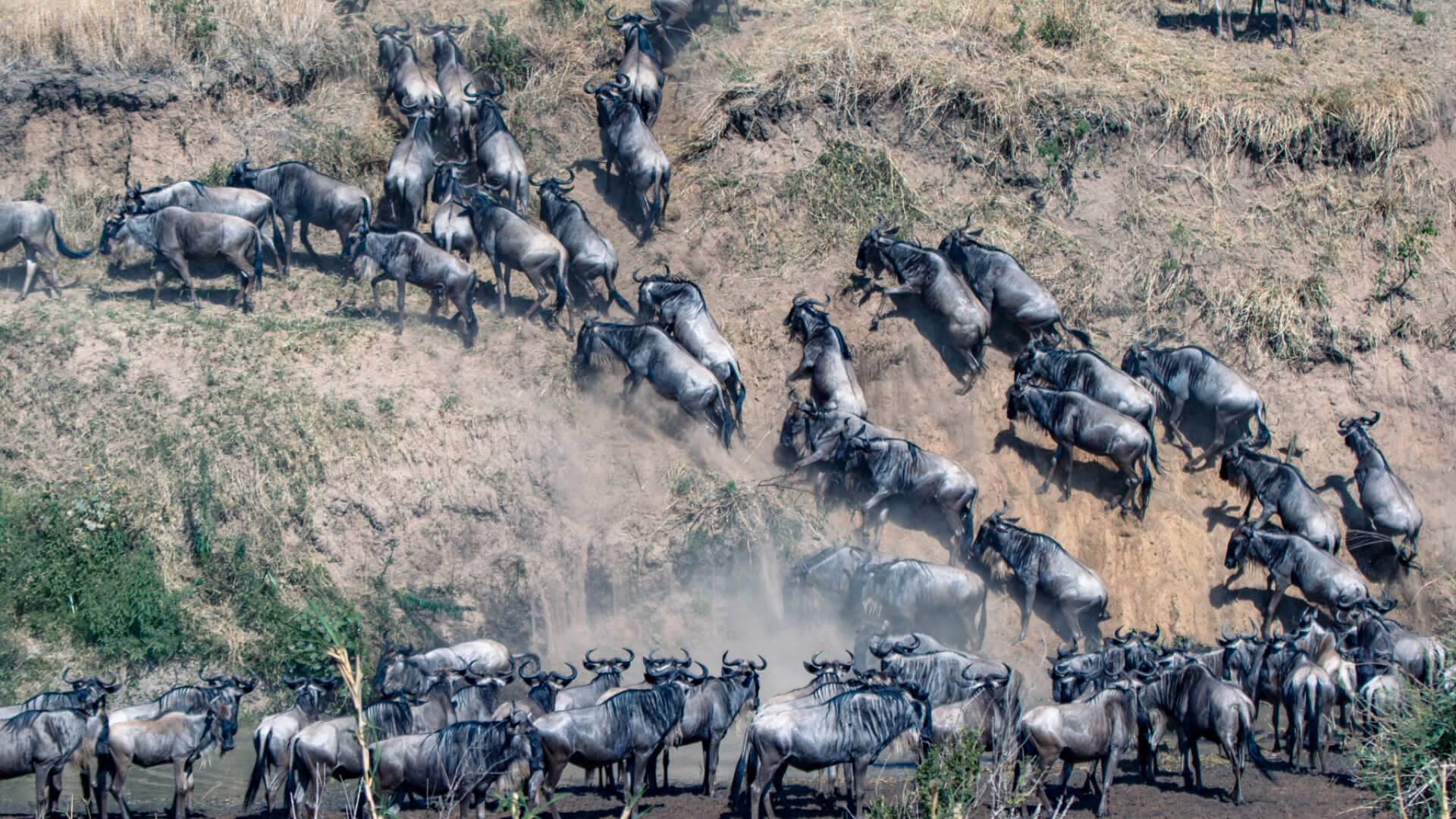
Every year, over 1.5 million wildebeest, along with hundreds of thousands of zebras and gazelles, cross into the Masai Mara from the Serengeti. This awe-inspiring event, known as the Great Migration, typically takes place between July and October. River crossings at the Mara and Talek rivers offer thrilling scenes as animals brave crocodile-infested waters.
-
The Reserve Hosts the Big Five
Masai Mara offers one of the best chances in Africa to see all members of the Big Five: lion, elephant, leopard, buffalo, and rhinoceros. Lions, especially, thrive here. With strong prides and frequent sightings, the Mara has become synonymous with big cat encounters.
-
It Covers Over 1,500 Square Kilometers
The reserve stretches across 1,510 square kilometers of open plains, rolling hills, and riverine forests. Despite its vastness, wildlife remains easy to spot thanks to the landscape’s open nature and the high density of animals.
-
It’s Named After the Maasai People
The Maasai, a semi-nomadic pastoralist community, have called this land home for centuries. They named the area “Mara,” meaning “spotted,” in reference to the patchy appearance of acacia trees and cloud shadows across the plains. The local people remain integral to conservation efforts and tourism experiences.
-
More Than 470 Bird Species Live Here
While the mammals draw the most attention, the Masai Mara also delights bird lovers. From colorful lilac-breasted rollers and secretary birds to ostriches and crowned cranes, the reserve teems with avian life. Raptors such as vultures, eagles, and hawks also soar the skies.
-
Several Conservancies Border the Main Reserve
Private conservancies like Mara North, Olare Motorogi, and Naboisho surround the main reserve. These areas offer low-impact, community-based tourism with night drives, guided bush walks, and fewer vehicles. Visitors staying in conservancies still access the reserve but also enjoy a more exclusive safari experience.
-
Cheetah Sightings Are Exceptional
The flat, open grasslands of the Mara suit cheetahs perfectly. With long sightlines and abundant prey, this is one of Africa’s best locations for observing cheetah behavior—whether it’s stalking a gazelle or caring for cubs.
-
Balloon Safaris Provide a Unique View
Hot air balloon safaris at dawn offer a silent, magical way to see the landscape from above. As the sun rises, herds of animals cast long shadows across the plains. The ride usually ends with a champagne breakfast in the bush, making it one of the Mara’s most unforgettable experiences.
-
Wildlife documentaries are Often Film Here
Masai Mara’s dense wildlife and dramatic scenery have made it a favorite among filmmakers. Documentaries such as Big Cat Diary and BBC Earth productions frequently shoot in the reserve, showcasing predator-prey dynamics in vivid detail.
-
Conservation Faces Ongoing Challenges
Although Masai Mara remains a protected area, challenges like habitat loss, poaching, and over-tourism persist. However, collaborative efforts between the Kenyan government, conservation groups, and the Maasai people continue to protect its delicate ecosystem.
Visit Masai Mara National Reserve to experience the wild heart of Kenya—where nature, culture, and raw beauty come together on a scale that few places on Earth can match.