
Best Photographic Safaris in Africa: Destinations for Photographers
Photographic safaris Africa. Africa is the ultimate canvas for wildlife photography. From dramatic savannah sunsets and thundering wildebeest herds to big cats in golden light and rare birds in dense jungle, the continent offers an unmatched blend of subjects and scenery.
Whether you’re a professional wildlife photographer or simply traveling with a camera in hand, Africa provides endless photographic opportunities—if you know where to look. Below are the top photographic safari destinations in Africa, chosen for their wildlife abundance, dramatic landscapes, accessibility, and ideal lighting conditions.
-
Masai Mara, Kenya – Action and Drama on the Plains

The Masai Mara is a photographer’s paradise. Known for its rich concentration of predators, open plains, and golden light, it offers perfect settings for iconic shots. From lions lounging on termite mounds to the annual Great Migration, this reserve guarantees powerful wildlife scenes.
What to capture: Big cats, wildebeest crossings (July–October), Maasai culture, hot-air balloon views.
-
Serengeti, Tanzania – The Ultimate Wild Canvas
The Serengeti National Park offers vast, open landscapes that change with the seasons. With its year-round wildlife and endless horizon, the park allows for clean, wide-angle shots and close-up predator action.
What to capture: Cheetahs hunting, zebras in golden grass, wildebeest herds, stormy skies over plains.
-
Okavango Delta, Botswana – Reflections and Rare Species
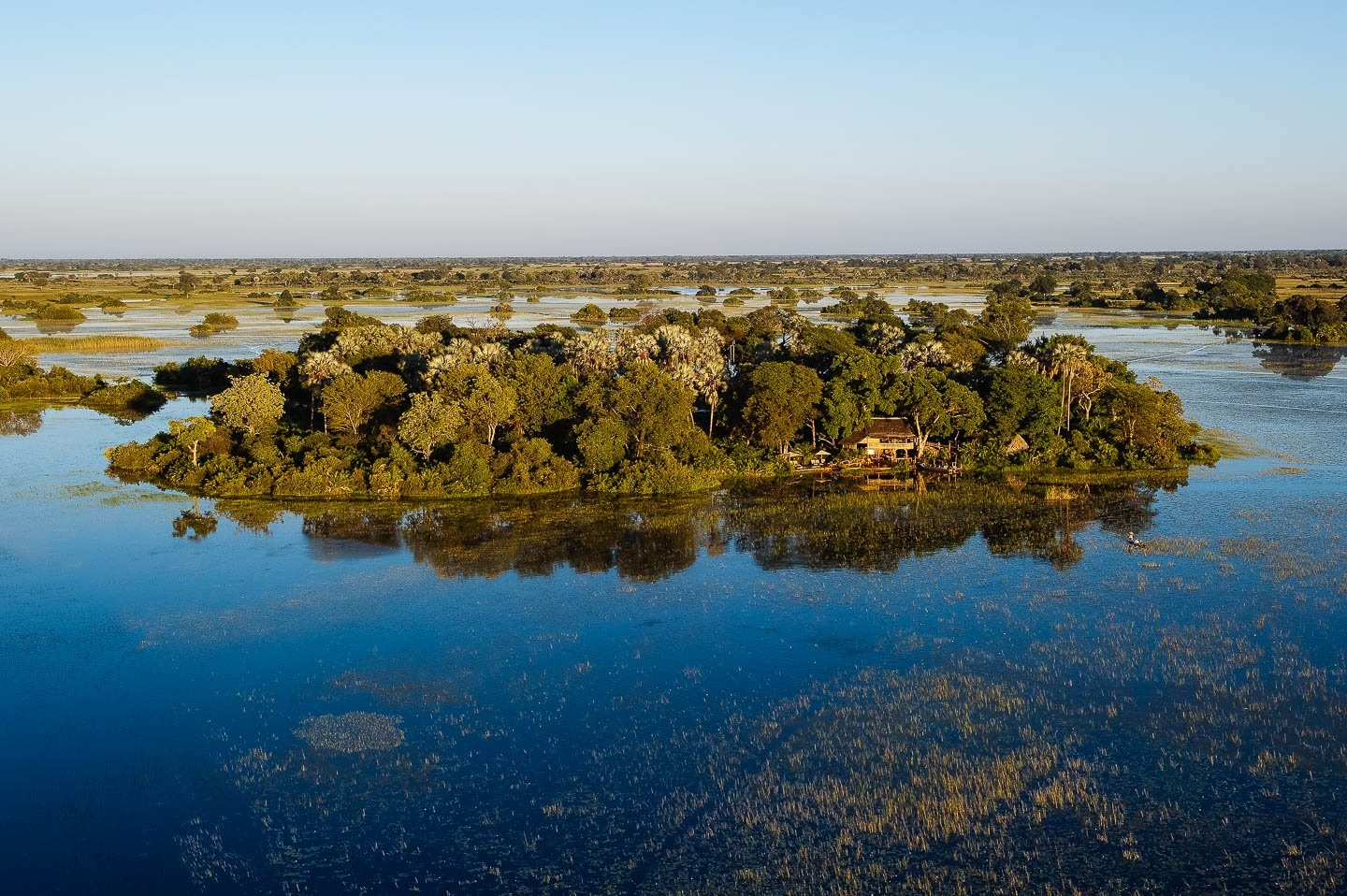
This UNESCO World Heritage Site is unlike any other safari setting. The Okavango Delta features winding waterways, island-dotted lagoons, and rich biodiversity. Game viewing is done by boat, vehicle, or on foot—perfect for dramatic, multi-perspective storytelling.
What to capture: Elephants crossing water, lechwe antelope, aerial views of river systems, predator-prey encounters in lush settings.
-
South Luangwa, Zambia – Walking Safari and Remote Vibes
Zambia’s South Luangwa National Park is one of Africa’s best-kept secrets for photographers. It’s known for exceptional leopard sightings, dramatic river backdrops, and walking safaris that offer intimate, ground-level photography.
What to capture: Hippos in the Luangwa River, leopards in trees, elephant herds at dusk, dramatic skies.
-
Bwindi Impenetrable Forest, Uganda – Portraits of the Wild

For those seeking emotional depth and a rare subject, Bwindi Impenetrable National Park offers close encounters with mountain gorillas. The dense rainforest creates a mystical, low-light environment that challenges photographers but rewards with powerful portraits.
What to capture: Gorilla expressions, jungle textures, misty forest light, close-range detail shots.
-
Etosha National Park, Namibia – Minimalism and Contrast
Namibia’s Etosha National Park is ideal for photographers who love minimalism and natural contrast. The vast salt pan, white sand, and sparse vegetation turn animals into striking silhouettes or stand-alone subjects.
What to capture: Elephants in dust clouds, oryx in wide-angle compositions, flamingos in dry lake beds.
-
Chobe National Park, Botswana – Water and Wildlife
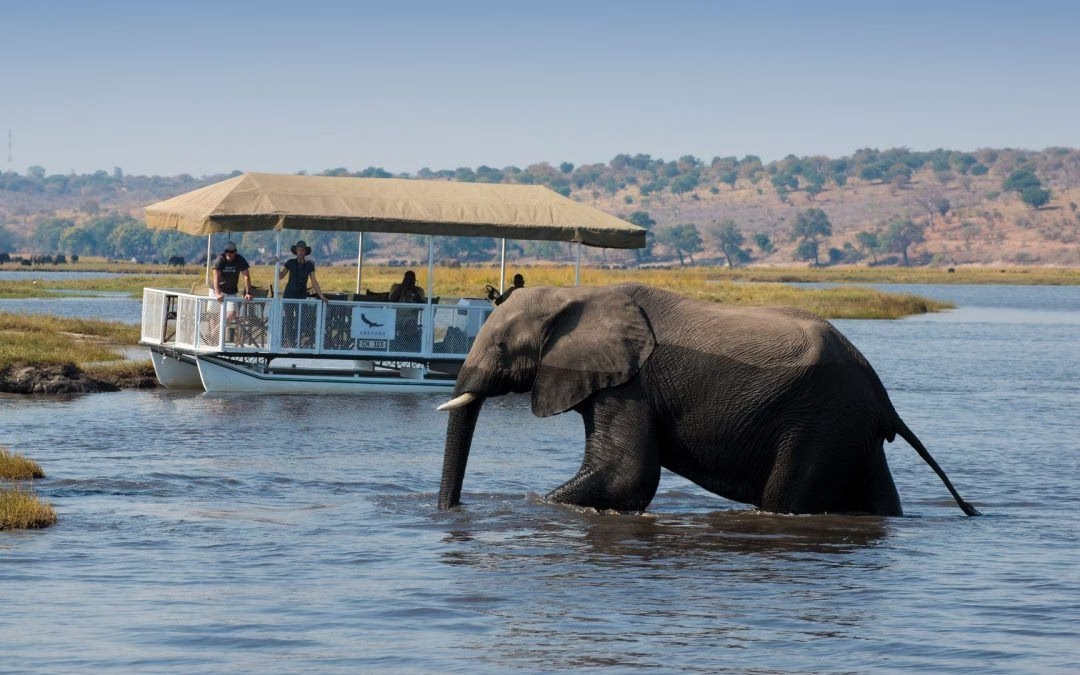
Chobe is famous for its riverfront photography. Game drives are offered by boat or vehicle, giving photographers the chance to capture wildlife from unique angles. Elephant herds are massive, and the lighting over the Chobe River is breathtaking.
What to capture: Elephants at the water’s edge, buffalo crossing the river, sunset reflections, birdlife in action.
-
Amboseli, Kenya – Elephants and Kilimanjaro Views
Amboseli is one of the best places in the world to photograph elephants with Mount Kilimanjaro as a backdrop. Its open terrain and reliable water sources attract large herds of elephants, often bathed in dramatic dust and soft light.
What to capture: Silhouettes against Kilimanjaro, elephants at sunset, Maasai herders with livestock.
-
Namib Desert, Namibia – Landscape and Wildlife Fusion
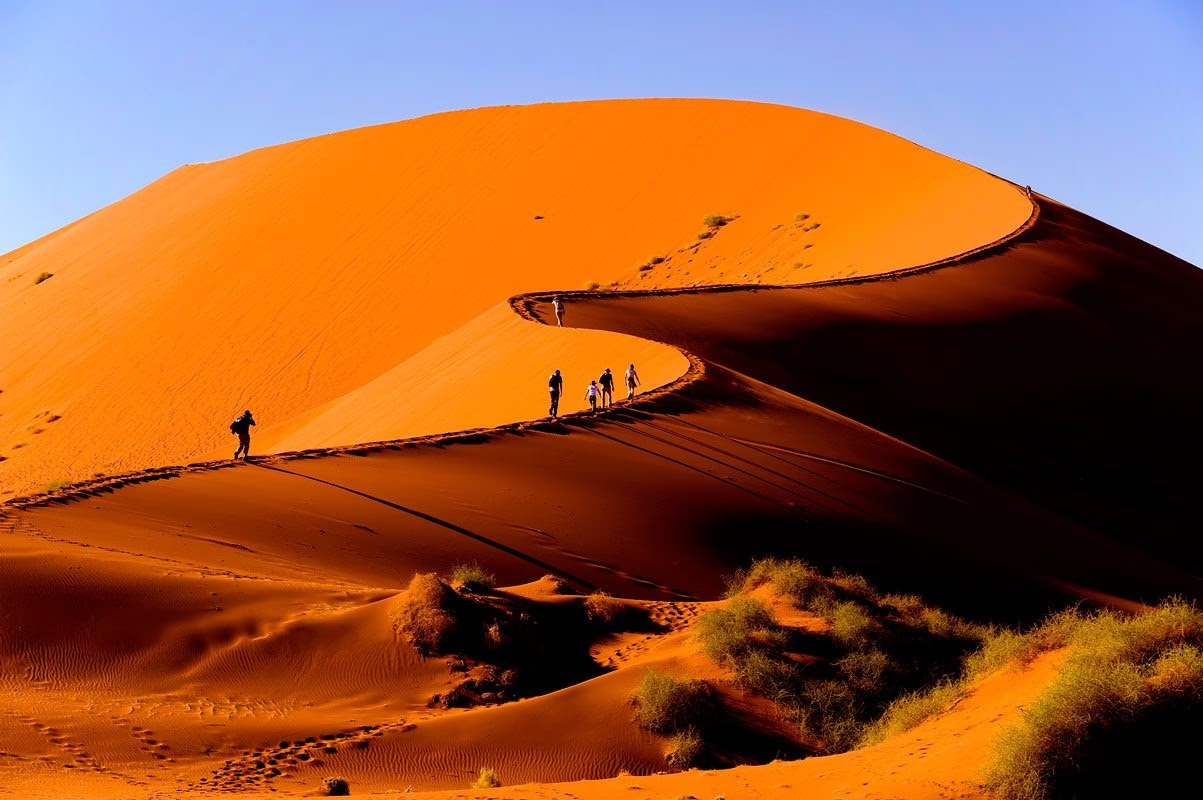
For surreal, artistic photography, the Namib Desert and Sossusvlei dunes offer golden dunes, fossilized trees, and desert-adapted wildlife. The color palette of reds, whites, and shadows provides stunning contrast.
What to capture: Oryx on dunes, sunrises at Deadvlei, patterns in the sand, ghost towns at Kolmanskop.
-
Volcanoes National Park, Rwanda – Raw Emotion in the Wild
Volcanoes National Park offers another chance for intimate gorilla photography, but with mist-covered volcanoes and fern-filled forests. The emotional depth of these encounters is a favorite for conservation photographers.
What to capture: Gorilla family interactions, expressive eyes, lush backdrops, moody light in the canopy.
Tips for Photographic Safaris
- Golden hour is your best friend—sunrise and sunset offer ideal light.
- Use a zoom lens (200–600mm) for wildlife and a wide-angle for landscapes.
- Choose guides who understand photographic positioning and patience.
- Always pack extra batteries, memory cards, and a dustproof bag.
Plan Your Tour
Choosing the right safari destination for photography depends on your subject preferences, time of year, and shooting style. Whether you prefer wide-angle landscape drama, up-close animal portraits, or creative storytelling with light and shadow, Africa has a destination that fits.
Work with tour operators who cater to photographers, offering flexible schedules, experienced driver-guides, and quiet, small-group safaris.
Plan your safari and let your lens tell the story of Africa’s wild soul.