
All to Know About Umusambi Conservancy Village
Umusambi Conservancy Village is a hidden gem in Kigali. It offers visitors a unique chance to connect with Rwanda’s nature and wildlife while supporting conservation efforts. The sanctuary protects rescued grey crowned cranes, Rwanda’s national bird, and provides a peaceful space for relaxation and learning. With nature trails, birding opportunities, and community projects, Umusambi blends conservation with ecotourism.
The Story Behind Umusambi Conservancy
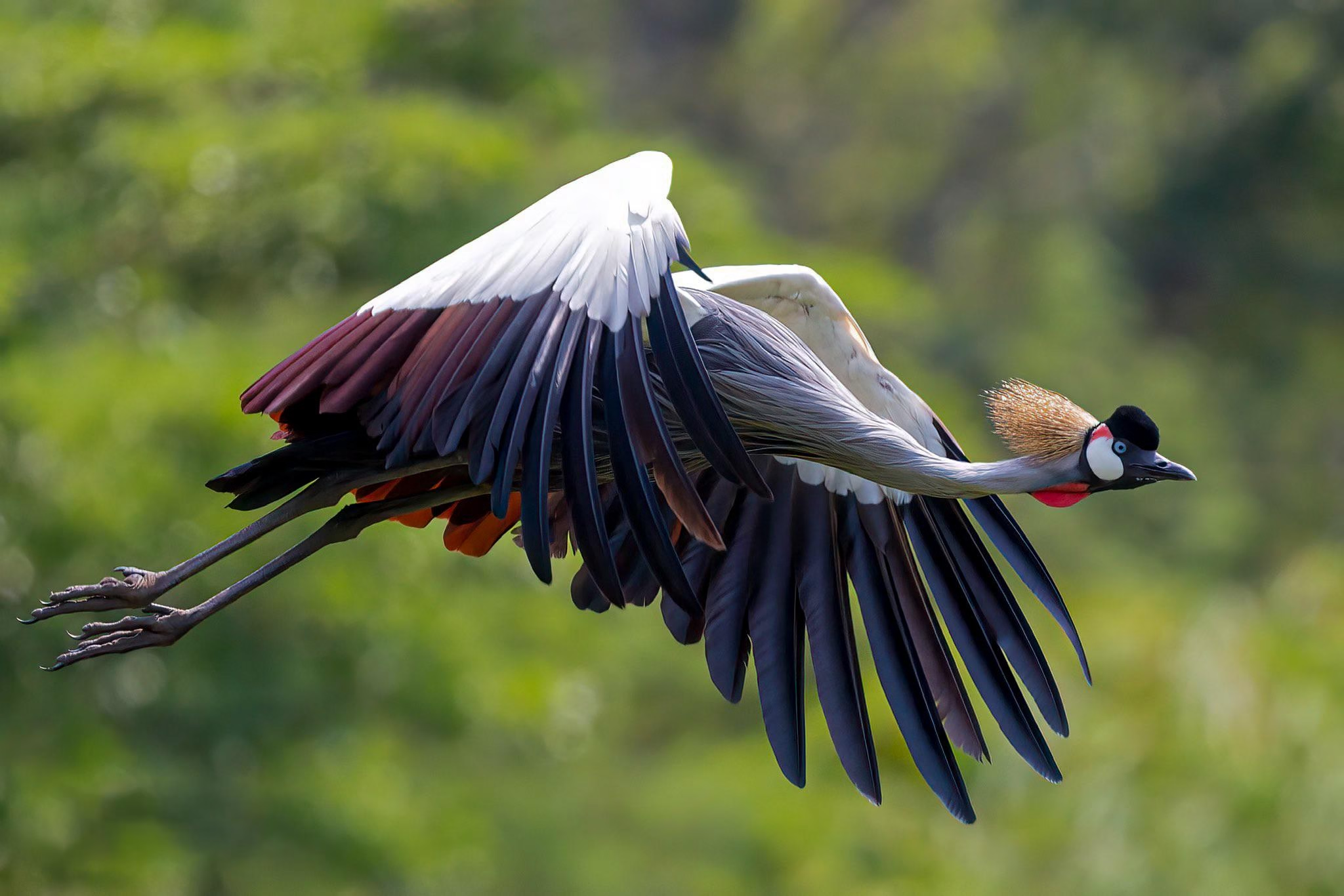
For years, grey crowned cranes in Rwanda faced threats from poaching and the illegal pet trade. Many were kept in captivity with clipped wings, unable to survive in the wild. To protect them, the Rwanda Wildlife Conservation Association established the Umusambi Conservancy. The sanctuary now houses more than 50 rescued cranes, offering them a safe environment where they thrive. Visitors not only enjoy seeing these graceful birds but also learn about the importance of protecting endangered species.
What to Do at Umusambi Conservancy
Meet the Grey Crowned Cranes
The highlight of Umusambi is seeing the elegant grey crowned cranes up close. Their golden crowns, graceful movements, and unique calls make them unforgettable. Guides explain their behavior, breeding, and role in Rwanda’s culture, enriching the experience.
Walking Trails in Nature
The conservancy spans restored wetlands and grasslands. Over 3 kilometers of walking trails wind through the landscape, giving visitors the chance to enjoy quiet nature walks. Along the trails, you can spot butterflies, small mammals, and other bird species that inhabit the area.
Birdwatching Opportunities
Besides the cranes, Umusambi attracts a wide variety of birds. Birdwatchers enjoy spotting kingfishers, sunbirds, herons, and many others. The wetland ecosystem provides a rich environment for both resident and migratory species.
Educational Experiences
Umusambi also serves as a learning center. School groups and families discover more about conservation, wetlands, and Rwanda’s biodiversity. Informative displays and guided tours explain the impact of protecting endangered species and restoring habitats.
Community and Conservation Impact
The conservancy extends its benefits beyond wildlife. It engages local communities in conservation education and eco-friendly projects. By visiting, travelers directly support these efforts. Entrance fees and contributions help sustain the sanctuary, fund crane care, and support community livelihoods.
Best Time to Visit Umusambi
Umusambi is open year-round, making it a convenient stop when exploring Kigali. Early mornings and late afternoons provide the best light for photography and more active birdlife. Since it lies just outside the city center, many travelers add it as a half-day trip alongside cultural and historical tours in Kigali.
How to Reach Umusambi Conservancy
The conservancy sits about 10 kilometers from Kigali city center, a short 20-minute drive. Taxis, private vehicles, or guided tours make it easy to reach. Visitors often combine a trip here with other Kigali attractions such as the Kigali Genocide Memorial or Kimironko Market.
Conclusion
Umusambi Conservancy Village showcases Rwanda’s commitment to conservation. It offers a sanctuary for rescued grey crowned cranes, peaceful nature walks, and rich birding experiences. For anyone visiting Kigali, this eco-tourism site provides both relaxation and a deeper appreciation of Rwanda’s natural heritage.