Albino Animals: Nature’s Rarest Wonders
Albino animals are some of the rarest and most striking creatures on Earth. Their pale skin, white fur or scales, and red or pink eyes set them apart dramatically from others of their species. While beautiful, albinism comes with unique challenges that affect survival in the wild.
What Is Albinism?
Albinism is a genetic condition caused by a mutation that prevents the body from producing melanin. Melanin is the pigment responsible for coloring skin, fur, feathers, scales, and eyes. Animals with albinism lack this pigment entirely.
Unlike leucism—which causes partial pigment loss—true albinism results in complete absence of coloration. This condition affects not just mammals but also birds, reptiles, amphibians, and even fish.
How to Identify Albino Animals
You can recognize albino animals by three key traits:
- White or pale skin/fur/scales
- Pink or red eyes, caused by visible blood vessels due to lack of eye pigment
- Sensitivity to sunlight
Some albino animals may appear cream or pale yellow, depending on environmental factors and how much residual pigmentation their genes allow.
Common Examples of Albino Animals
While rare, albinism can occur across a wide variety of species. Below are some examples, each adapted (or struggling to adapt) to life without pigmentation.
-
Albino Deer
Often seen as symbols of purity, albino deer are especially vulnerable to predators due to their white coats. Their poor eyesight also reduces their ability to detect danger.
-
Albino Alligator
Albino alligators are extremely rare, with fewer than 100 known worldwide. They cannot survive in the wild because sun exposure damages their skin and eyes. Most live in protected environments like zoos.
-
Albino Peacock
Lacking their typical iridescent colors, albino peacocks still display impressive tail fans—just in pure white. They often appear ghostly or angelic in appearance, drawing fascination in cultural and religious symbolism.
-
Albino Elephant
Albinism in elephants is extremely rare. Most cases result in leucistic elephants, which have lighter skin but not true albinism. The few albino elephants observed have been in Asia and parts of Africa.
-
Albino Gorilla
Albino gorillas, like the famous “Snowflake” from Barcelona Zoo, exhibit pink skin, white fur, and vision issues. Such cases are incredibly rare and often result in poor health.
-
Albino Snake
Albino snakes are popular in captivity, especially among pythons and corn snakes. Without natural camouflage, albino snakes face higher predation in the wild.
-
Albino Lion
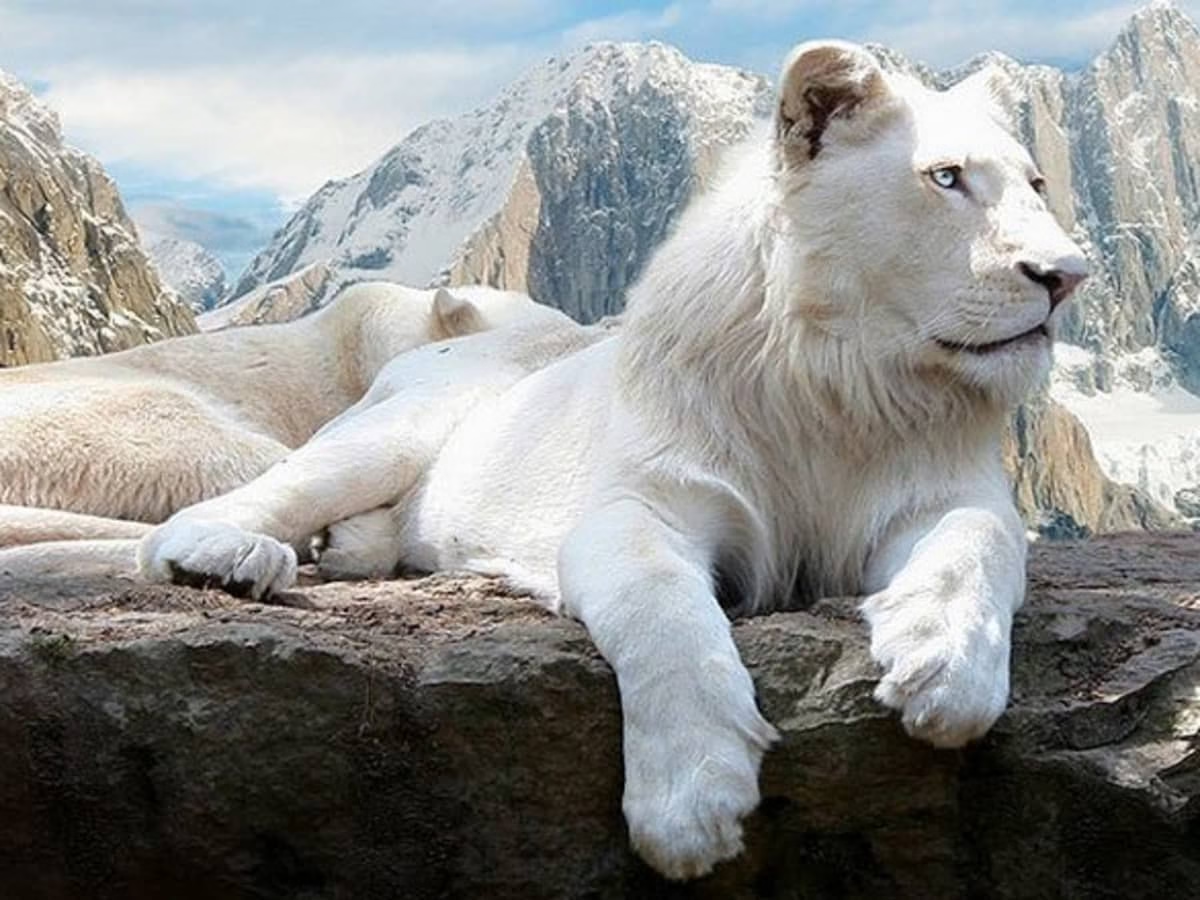
Albino lions are sometimes confused with white lions, which owe their coloration to a different recessive gene. True albino lions have pink noses and pale eyes, making them even rarer than their white-coated cousins.
Challenges Faced by Albino Animals
Albinism isn’t just a cosmetic trait—it poses several disadvantages in the wild:
- Lack of camouflage makes albino animals easier targets for predators or poachers.
- Poor eyesight is common due to abnormal eye development.
- Sun sensitivity can cause skin burns and vision loss in bright conditions.
- Social rejection sometimes occurs within animal groups, where albinos may be shunned or attacked.
Because of these challenges, albino animals often struggle to survive in natural habitats unless protected.
Cultural and Spiritual Significance
Many cultures attach spiritual meanings to albino animals. In some traditions, they are seen as sacred or messengers of the gods. In others, albino animals are considered omens or bad luck. Unfortunately, such beliefs have led to superstition-driven poaching or ritual killings, especially in parts of Africa and Asia.
Conservation and Protection
Because they are so rare and vulnerable, albino animals in the wild often require human intervention to survive. Zoos, wildlife reserves, and breeding programs help care for albino individuals that cannot thrive in natural ecosystems.
Organizations also raise awareness to combat myths and protect these creatures from exploitation.
Famous Albino Animals
- Snowflake the Albino Gorilla (Spain)
- Claude the Albino Alligator (California Academy of Sciences)
- Migaloo the Albino Humpback Whale (Australia)
These animals have become ambassadors for education and conservation, helping the public better understand genetics, adaptation, and biodiversity.
Plan Your Wildlife Experience
Seeing an albino animal in the wild is a rare privilege. While sightings are not guaranteed, visiting protected areas, wildlife centers, and conservation parks increases your chances of encountering unique wildlife.
Book eco-friendly tours that support ethical wildlife viewing and contribute to animal research and rehabilitation efforts. Whether you’re in the African savannas or tropical jungles of Southeast Asia, stay respectful of these fragile creatures and their habitats.