
Attractions and Things to Do in Semuliki National Park, Uganda
Attractions and Things to Do in Semuliki National Park, Uganda
SemulikI Attractions and Things to Do. Semuliki National Park is a hidden gem in Western Uganda, located in the Albertine Rift, bordering the Democratic Republic of Congo. Famous for its hot springs, tropical rainforest, and rare wildlife, Semuliki offers a mix of cultural, ecological, and adventurous experiences. It’s one of Uganda’s most biodiverse parks and a must-visit for nature enthusiasts.
-
Hot Springs
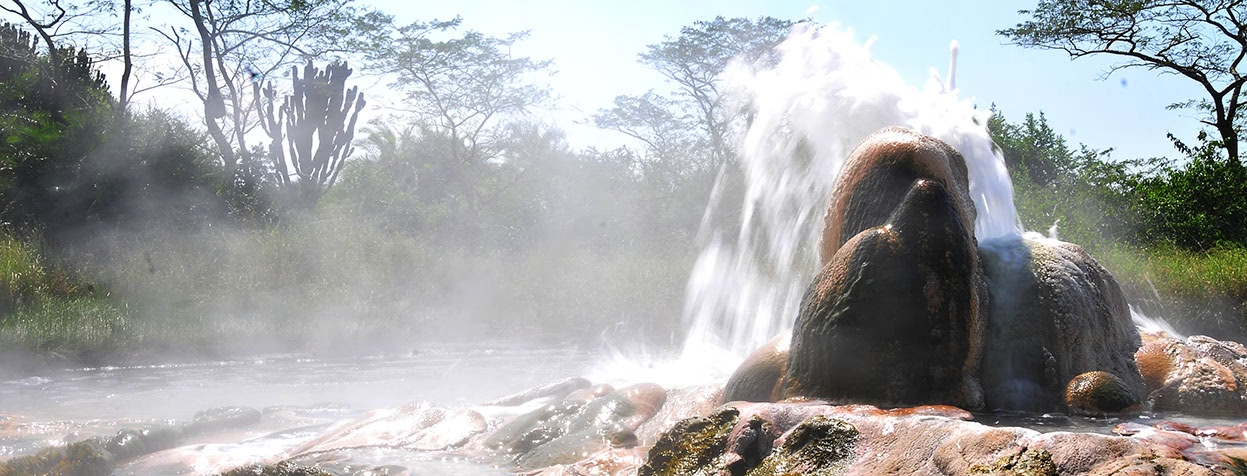
The Semuliki Hot Springs are natural geothermal springs that flow year-round. The warm, mineral-rich waters are believed to have therapeutic properties. Visitors can enjoy bathing in the springs or simply admire the steam rising through the lush forest. It’s a unique attraction that combines relaxation with the natural beauty of the park.
-
Birdwatching
Semuliki is a birdwatcher’s paradise, with over 400 recorded bird species, including rare and endemic birds of the Albertine Rift. Highlights include:
- African Green Broadbill
- Black-collared Lovebird
- Great Blue Turaco
- Kingfishers and Hornbills
Guided birding walks along the trails are ideal for spotting these species while enjoying the forest scenery.
-
Nature Walks and Hiking
Explore the park on guided nature walks. Trails wind through tropical rainforests, swamps, and riverine areas. Hikes vary from short walks to longer excursions, allowing visitors to discover unique plants, butterflies, primates, and smaller mammals. Trails near the Semuliki River provide excellent opportunities for wildlife photography.
-
Wildlife Viewing
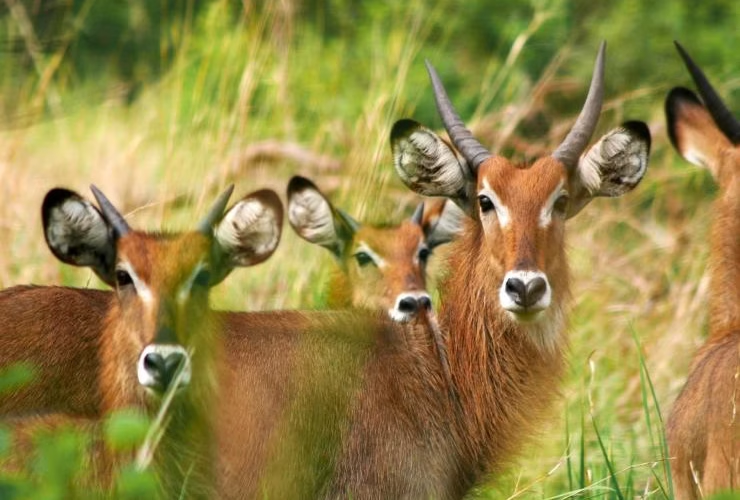
Semuliki is home to a variety of wildlife, although sightings can be more elusive than in Uganda’s savannah parks. Key species include:

- Primates: Red-tailed monkeys, black-and-white colobus monkeys, and chimpanzees (rare)
- Mammals: Forest elephants (infrequent), bushbucks, and duikers
- Reptiles: Monitor lizards and various snakes
Walking safaris with experienced rangers increase the chances of spotting these forest creatures.
-
Cultural Visits
The park is close to local communities whose traditions and lifestyles are closely tied to the forest. Visitors can:
- Meet Batwa (forest-dwelling pygmy communities) and learn about their history and culture
- Participate in traditional dances, music, and craft demonstrations
- Understand forest conservation efforts and sustainable living practices
-
Photography and Nature Appreciation
The dense rainforest, swamps, hot springs, and rivers provide stunning scenery for photographers. Semuliki is particularly beautiful during early mornings when mist rises from the forest floor. Bird photographers, landscape enthusiasts, and wildlife lovers will all find opportunities to capture memorable shots.
-
Forest Bathing and Eco-Tourism Experiences
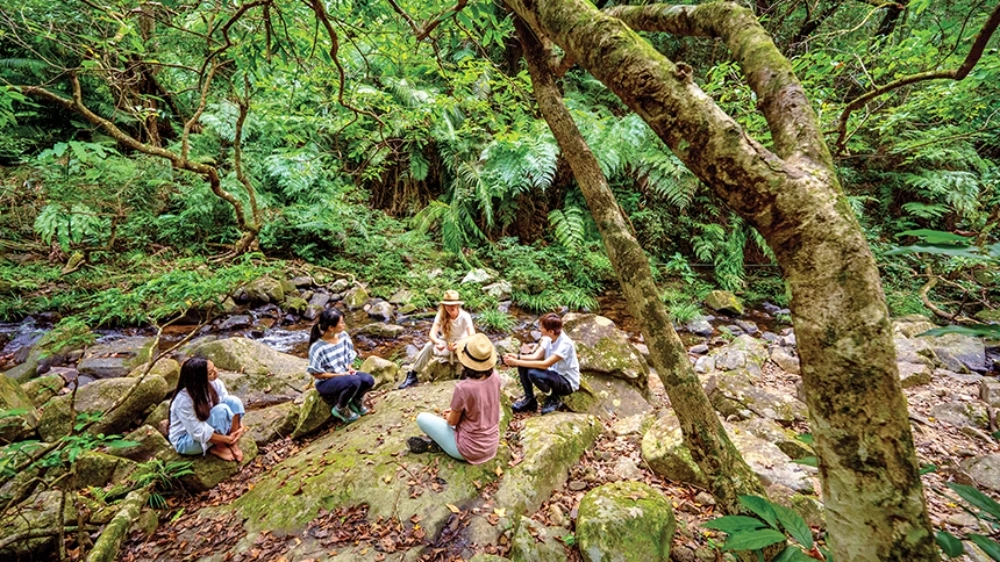
Semuliki offers a chance to immerse yourself in nature. Eco-tourism activities include:
- Guided walks focusing on forest ecology and medicinal plants
- Relaxing by the Semuliki River or hot springs
- Overnight stays in eco-lodges or community-run camps for a forest experience
Plan Your Visit
Semuliki National Park is ideal for:
- Birdwatchers seeking rare species
- Nature lovers exploring tropical rainforests
- Adventure travelers enjoying walking safaris and hikes
- Cultural enthusiasts learning from the Batwa community
Best Time to Visit: Dry seasons (December–February & June–August) for easier access and better wildlife viewing.