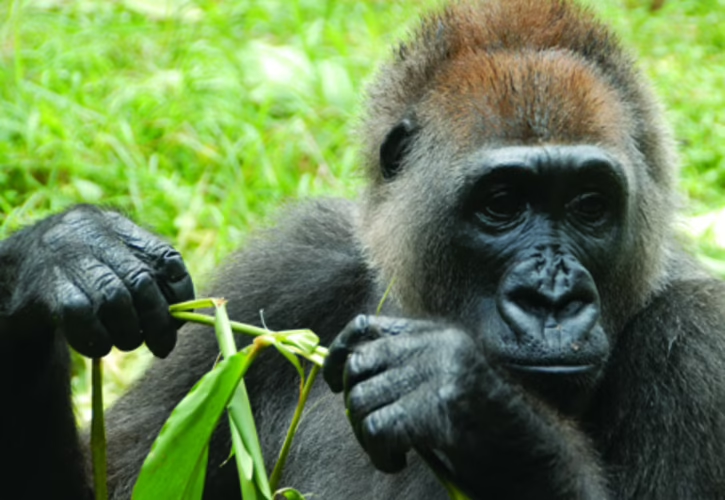

Cross River Gorillas
Cross River Gorillas—Facts, Habitat, and Conservation
Cross River gorillas-rare gorilla species. The Cross River gorilla (Gorilla gorilla diehli) is the rarest subspecies of gorilla in the world. Found in a small, mountainous region along the Nigeria-Cameroon border, it is critically endangered. With fewer than 300 individuals remaining, Cross River gorillas are among the most elusive and protected primates in Africa.
Habitat and Distribution
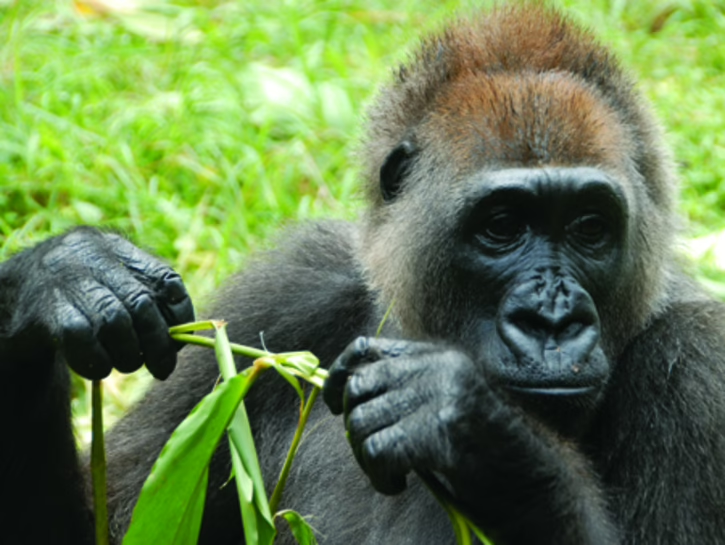
Cross River gorillas inhabit dense montane and lowland forests in the Cross River region of Nigeria and Cameroon. Unlike western lowland gorillas that live in lowland swamps and forests, Cross River gorillas prefer rugged, forested terrains that are difficult to access. Their habitat includes a series of fragmented forests, which makes conservation and monitoring challenging.
Physical Characteristics
Cross River gorillas are similar in appearance to western lowland gorillas but are slightly smaller and less robust. They have dark brown to black hair, pronounced brow ridges, and broad chests. Adult males develop silver backs, a trait common to all gorilla species. They are generally shy and avoid human contact, which contributes to their elusive nature.
Behavior and Social Structure
These gorillas live in small groups of 2–20 individuals, usually consisting of one dominant male (silverback), females, and their offspring. They are mostly vegetarian, feeding on fruits, leaves, seeds, and stems. Unlike other gorilla subspecies, Cross River gorillas are highly secretive and have less frequent direct contact with humans, making behavioral studies limited.
Conservation Status
Cross River gorillas are critically endangered due to:
- Habitat loss: Logging, agriculture, and human settlement have fragmented their forests.
- Poaching: They are targeted for bushmeat or killed in retaliation for crop raiding.
- Small population size: Low numbers increase vulnerability to disease and genetic problems.
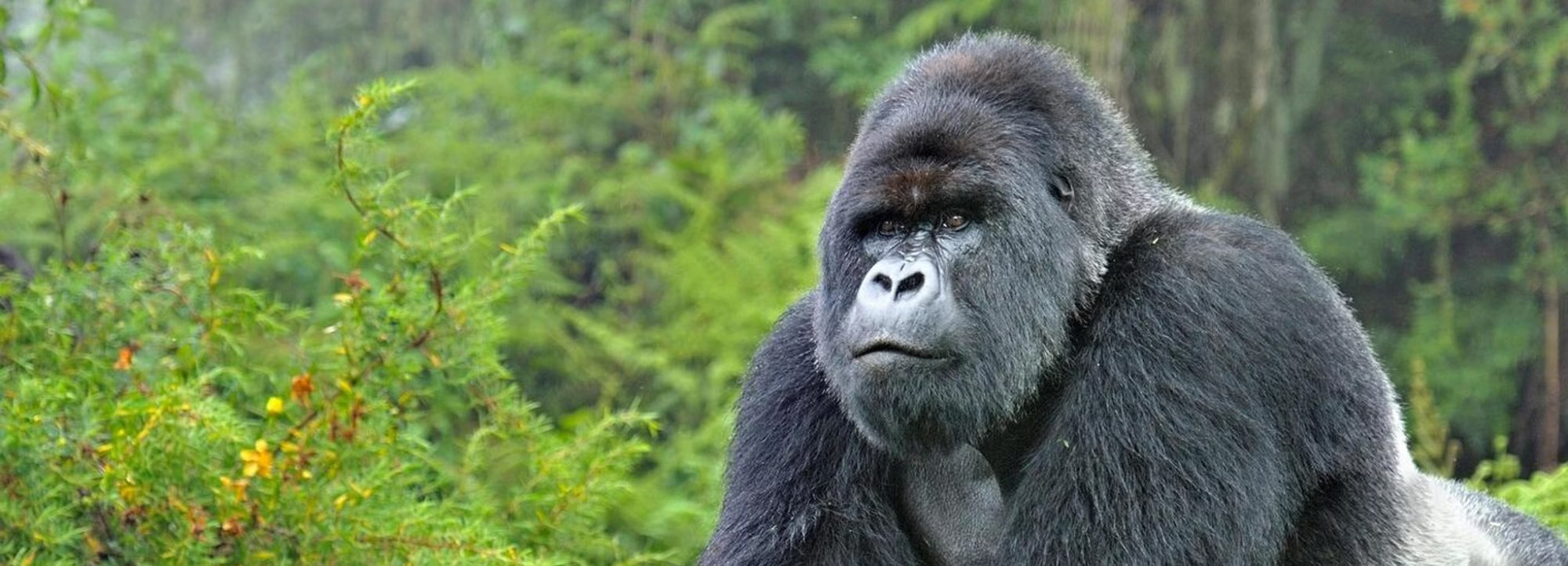
Conservation efforts include anti-poaching patrols, habitat restoration, eco-tourism initiatives, and cross-border collaboration between Nigeria and Cameroon to protect gorilla populations. Organizations such as the WWF, San Diego Zoo Wildlife Alliance, and local forest agencies play a key role in safeguarding these gorillas.
Interesting Facts About Cross River Gorillas
- Rarest gorilla subspecies: Less than 300 individuals exist in the wild.
- Highly elusive: They avoid human contact more than any other gorilla.
- Fragmented habitats: They live in at least 12 isolated forest patches across Nigeria and Cameroon.
- Diet: Primarily vegetarian, feeding on fruits, leaves, seeds, and stems.
- Social groups: Small, tight-knit groups led by a dominant silverback male.
- Conservation success stories: Community engagement and forest protection efforts have slowly stabilized some populations.
Conclusion
Cross River gorillas are among the rarest and most mysterious primates in Africa. Their small population, fragmented habitat, and secretive behavior make conservation critical. Protecting this subspecies ensures the survival of one of the planet’s most unique gorillas and highlights the importance of forest preservation in Nigeria and Cameroon.