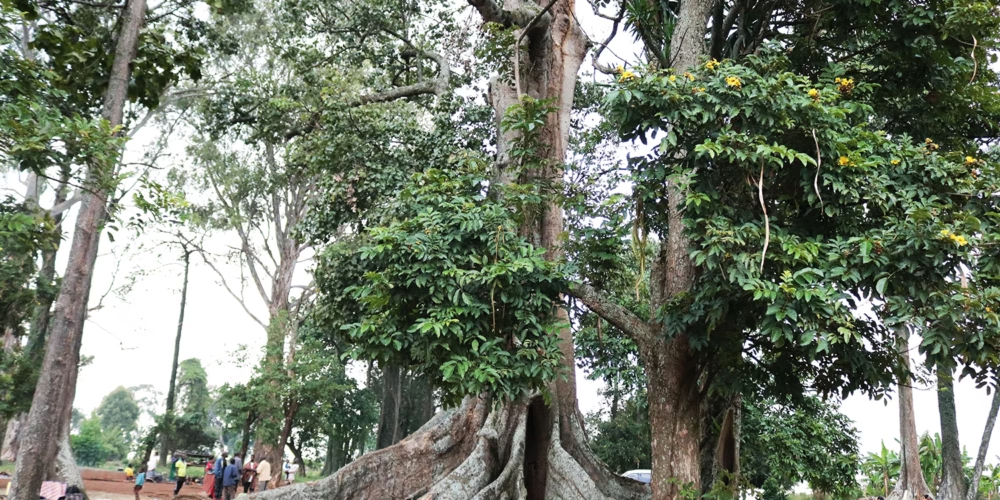

Nakayima Tree
Nakayima Tree
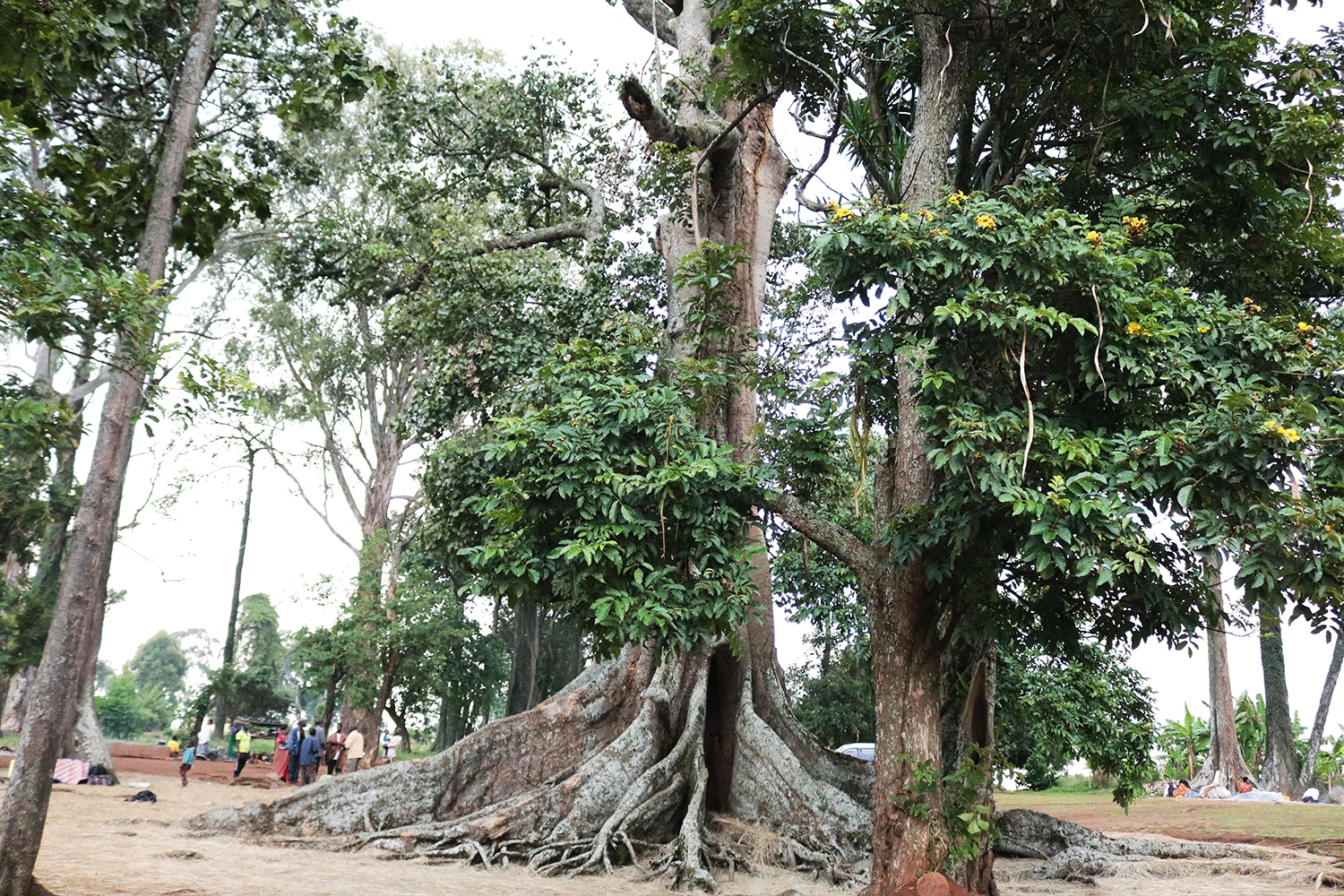
The Nakayima Tree stands as a sacred and historic landmark on Lubaga Hill in Kampala, Uganda. Locals and tourists admire it for its cultural and spiritual significance. Ancient folklore, rituals, and traditional ceremonies connect to the tree. A visit to the Nakayima Tree gives travelers a unique glimpse into Uganda’s rich cultural heritage and local beliefs.
Cultural Significance
The Nakayima Tree is believed to have protective powers. Local communities hold ceremonies and prayers at the site, seeking blessings, fertility, or guidance. The tree serves as a symbol of community unity and spiritual connection. Its presence reflects the enduring importance of natural landmarks in Ugandan culture.
Folklore and Legends
According to local legend, Nakayima was a woman with extraordinary powers who transformed into this sacred tree. The site continues to inspire storytelling and cultural practices. Visitors often learn about the myths, rituals, and historical context from local guides, gaining insight into traditional belief systems.
Things to Do at the Nakayima Tree
Cultural Tours
Guided tours provide explanations of the tree’s history, cultural importance, and folklore. Visitors can engage with local traditions and witness small ceremonies.
Photography
The towering tree and surrounding greenery offer excellent photography opportunities, capturing both natural beauty and cultural heritage.
Local Interaction
Visitors can meet community members, explore nearby markets, and learn about traditional crafts, providing a richer understanding of the local lifestyle.
How to Get There
The Nakayima Tree is situated on Lubaga Hill in Kampala. Visitors can reach the site by car, taxi, or motorcycle. Local guides are available to enhance the experience with historical and cultural insights.
Best Time to Visit
The Nakayima Tree can be visited year-round. Morning hours provide cooler temperatures and better lighting for photography. Weekdays are quieter, while weekends may attract local worshippers and tourists.
Conclusion
The Nakayima Tree is more than a natural landmark—it is a cultural and spiritual symbol of Uganda’s rich heritage. Visiting the tree offers insights into folklore, traditional rituals, and community life. Travelers gain a deeper appreciation for Uganda’s history and the enduring significance of sacred natural sites.