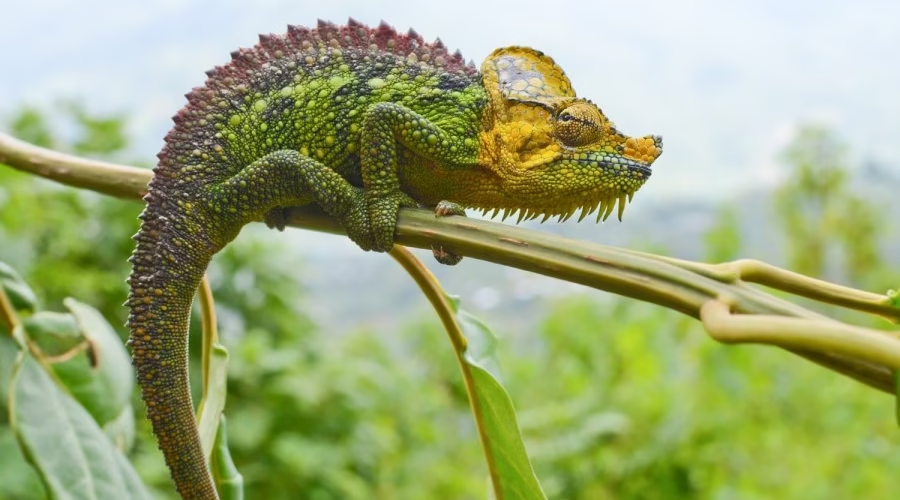

Flora and Fauna in the Rwenzori Mountains
Flora and Fauna in the Rwenzori Mountains
The Rwenzori Mountains, often called the “Mountains of the Moon,” rise majestically along the Uganda–DR Congo border. This UNESCO World Heritage site is famous for its unique ecosystems, rare plants, and endemic wildlife. The mountains’ diverse habitats, from tropical forests to alpine meadows, provide a home to species found nowhere else on Earth. Exploring the Rwenzori offers a blend of adventure and ecological discovery.
Flora in the Rwenzori Mountains
Rwenzori’s vegetation changes dramatically with altitude.
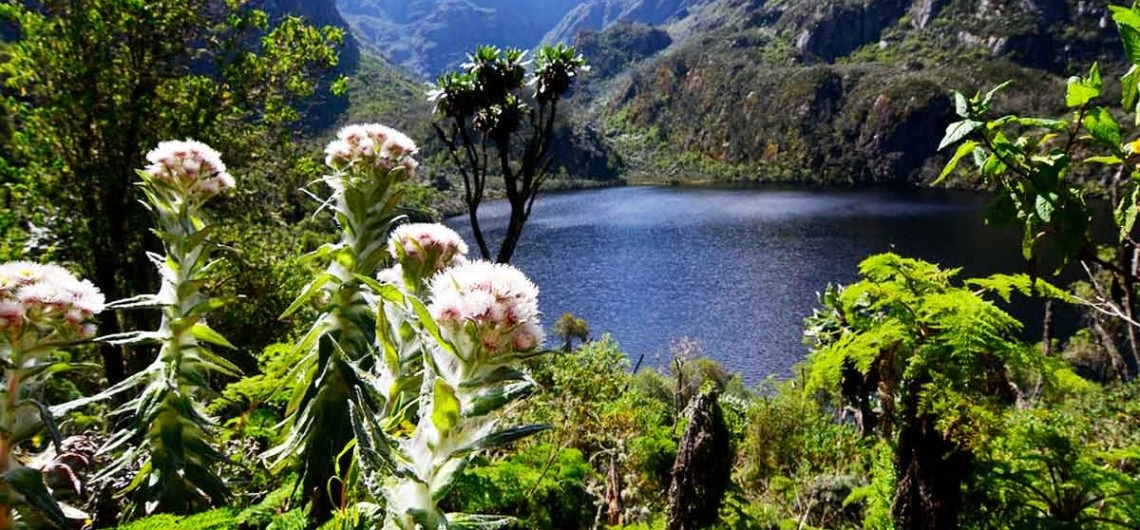
Lower Montane Forests
The lower slopes feature dense tropical and montane forests. Giant ferns, mahogany trees, and lush bamboo dominate the landscape. The forests are home to medicinal plants traditionally used by local communities.
Afro-Alpine Zone
Above 3,000 meters, the alpine zone reveals giant lobelias, groundsels, and heathers. These striking plants are adapted to cold temperatures and intense UV exposure. Their unusual shapes and sizes make the Rwenzori landscape unique.
Wetlands and Glacial Streams
High-altitude wetlands and streams support mosses, liverworts, and alpine flowers. These fragile habitats are vital for water regulation and sustain both plants and wildlife in the mountains.
Fauna in the Rwenzori Mountains
The mountains host a variety of mammals, birds, and insects, many of which are endemic.
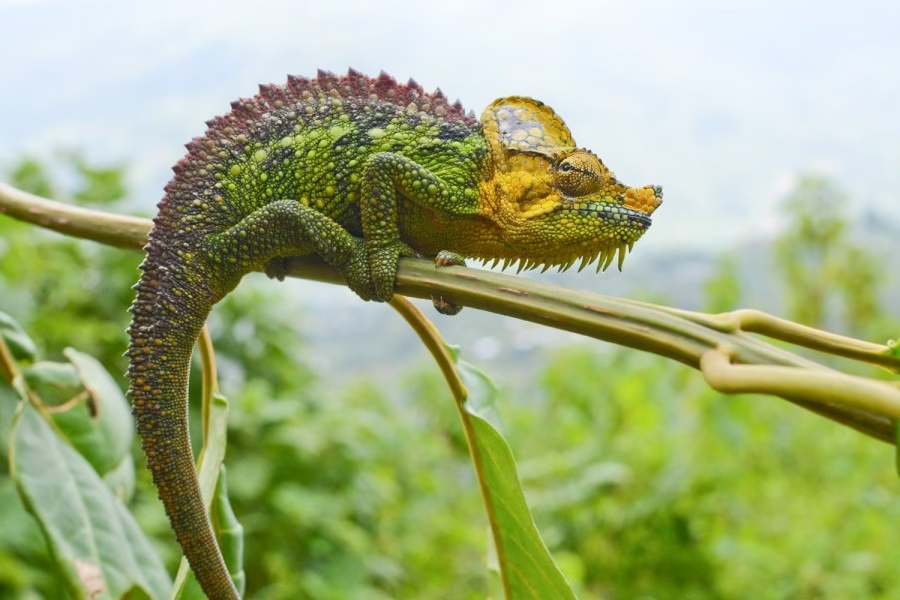
Mammals
Rwenzori supports primates like the Rwenzori colobus monkeys and vervet monkeys. Bushbucks, duikers, and forest elephants also inhabit the lower forests. These mammals rely on the forest’s dense vegetation for food and shelter.
Birdlife
Birdwatchers delight in the Rwenzori’s avian diversity. Endemic species include the Rwenzori turaco and the Rwenzori apalis. Other notable birds include sunbirds, hornbills, and eagles that patrol the mountain ridges.
Amphibians and Insects
The mountain streams provide habitats for rare frogs and toads, including species found only in this range. Insects, including colorful butterflies and endemic beetles, thrive in both forested and alpine zones.
Conservation Significance
Rwenzori National Park preserves these ecosystems and protects species from habitat loss and climate change. Conservation initiatives monitor wildlife populations, maintain trails, and educate visitors about the ecological importance of the mountains. Ethical tourism helps support these efforts, ensuring that the flora and fauna remain vibrant for future generations.
Best Time to Visit
The dry seasons from June to September and December to February offer easier trekking and better wildlife visibility. Although the rainy seasons can make trails slippery, they also enhance plant growth and create stunning alpine waterfalls.
Conclusion
The Rwenzori Mountains showcase one of Africa’s most unique ecological regions. From giant lobelias and lush montane forests to rare primates and endemic birds, the flora and fauna here captivate travelers and nature enthusiasts. Visiting the Rwenzori Mountains provides not only adventure but also a chance to witness fragile ecosystems and support their conservation.
Tags: #RwenzoriMountains #UgandaFloraAndFauna #RwenzoriNationalPark #EndemicSpeciesUganda #UgandaWildlife