
Interesting Facts About Baby Gorillas
Interesting Facts About Baby Gorillas
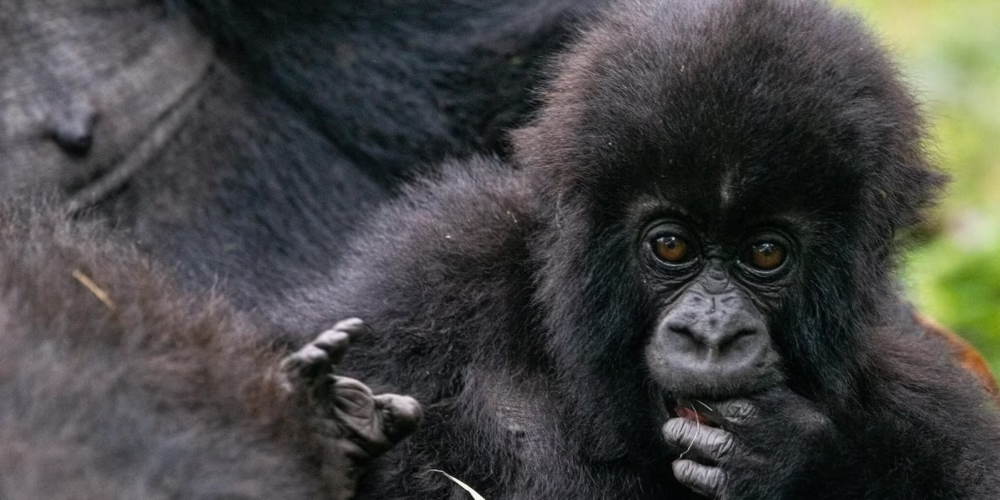
baby gorilla facts. Baby gorillas are among the most endearing and captivating creatures in Africa’s forests. Observing them during gorilla trekking in Rwanda, Uganda, or the Democratic Republic of Congo reveals their intelligence, curiosity, and strong family bonds. These young primates play a crucial role in the social structure of their groups and offer a window into gorilla life from infancy to adulthood.

Birth and Early Life
- Gestation and Birth: Female gorillas carry their babies for about 8.5 months. Most gorillas give birth to a single baby, weighing between 1.5–2.5 kg at birth.
- Dependency on Mothers: Baby gorillas rely entirely on their mothers for warmth, nutrition, and protection during the first months of life. The bond is strong and lasts for several years.
- Initial Behavior: Newborns cling to their mother’s chest or back, slowly gaining strength to explore under her watchful eye.
Development and Growth
- Mobility: By 3–6 months, babies start crawling and clinging to their mother’s back. This is their primary mode of transport while learning to navigate the forest.
- Teething: Baby gorillas begin teething around 6 months, gradually trying solid foods while continuing to nurse.
- Playfulness: At around 1 year, babies start exploring independently, playing with siblings, and testing their climbing skills. Play strengthens social bonds and physical abilities.
Social Life
- Interaction with Group Members: Young gorillas are curious and often approach other group members, including older siblings and subordinate adults. These interactions teach them social cues and group hierarchy.
- Learning by Observation: Babies imitate the behaviors of adults, such as foraging, grooming, and nest building, learning survival skills crucial for adulthood.
- Emotional Bonds: Baby gorillas express emotions through gestures, facial expressions, and vocalizations. They display joy, frustration, and attachment to their mothers and family group.
Interesting Facts
- Rapid Growth: Baby gorillas double their weight in the first few months.
- Vocal Communication: Babies use soft squeaks, grunts, and screams to communicate needs and emotions.
- Playful Nature: Play is essential for physical and cognitive development. Baby gorillas engage in gentle wrestling, chasing, and climbing.
- Strong Memory: Even as infants, gorillas remember routes, safe resting spots, and interactions with group members.
- Protective Mothers: Mothers fiercely guard their babies from threats, ensuring their survival in the wild.
Observing Baby Gorillas in the Wild
- Gorilla Trekking: Visiting Bwindi Impenetrable Forest (Uganda), Volcanoes National Park (Rwanda), or Virunga National Park (DRC) offers opportunities to see baby gorillas safely.
- Respectful Observation: Guides enforce strict rules to protect gorillas, including keeping distance, limiting visit time, and avoiding direct contact.
- Photography Tips: Early mornings provide the best light, and gentle zoom lenses capture expressions without disturbing the animals.
Conclusion
Baby gorillas are playful, intelligent, and socially complex. Their interactions, learning behaviors, and strong maternal bonds make them fascinating subjects for wildlife enthusiasts. Observing these young primates offers a rare glimpse into the early stages of gorilla life, providing unforgettable memories for those trekking through Africa’s dense forests.