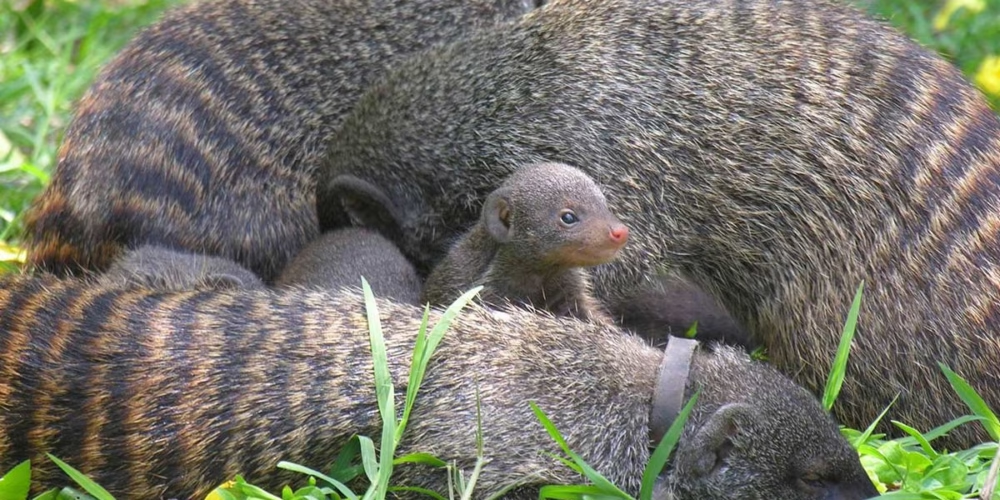

Banded Mongoose Tracking and Filming
Banded Mongoose Tracking and Filming
Banded mongooses are small but highly social mammals found across sub-Saharan Africa. Known for their tight-knit groups and cooperative behavior, they offer a unique wildlife observation experience. Tracking and filming them requires patience, attention to detail, and an understanding of their behavior.
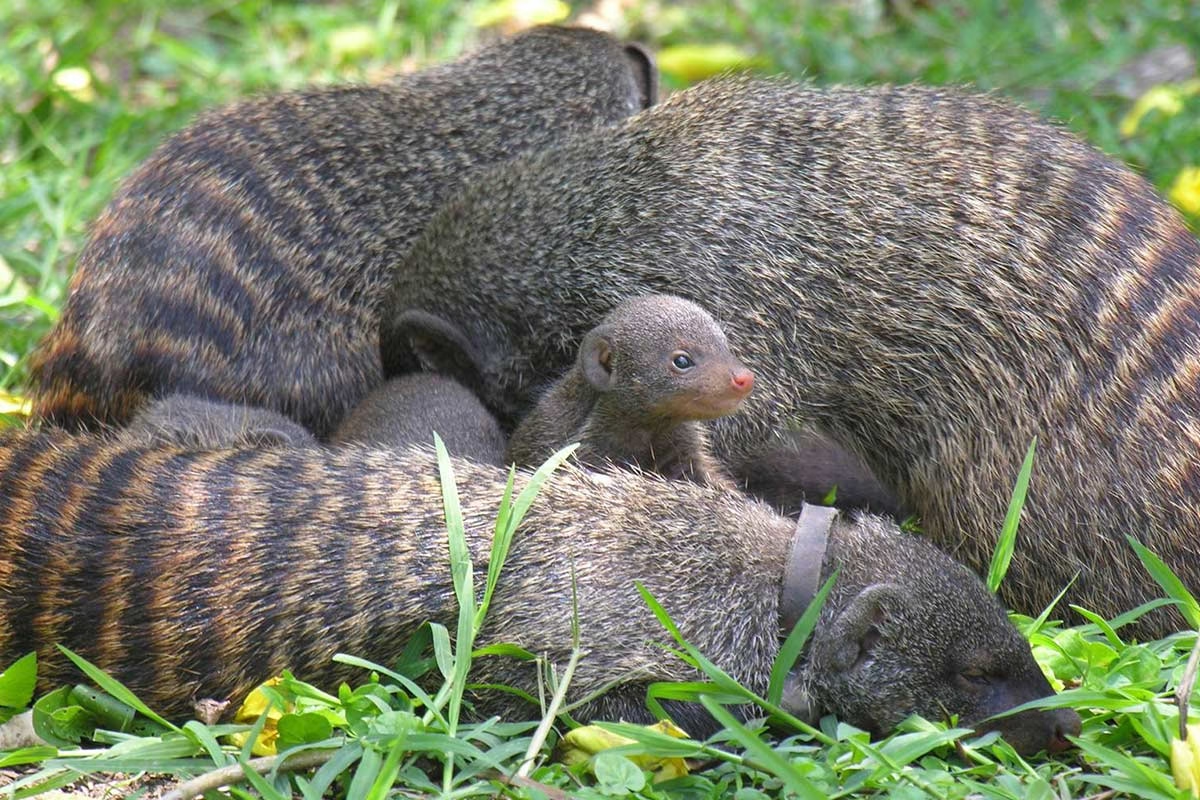
Understanding Banded Mongoose Behavior
Before you can effectively track and film banded mongooses, you need to understand their habits. They live in groups called mobs, usually consisting of 10–30 individuals. Each member has a role, from babysitters to hunters. Banded mongooses are diurnal, most active during the morning and late afternoon. During mid-day heat, they rest in burrows or shaded areas. Vocalizations, scent-marking, and tail signals are essential for coordinating group activities. Observing these signs can help you anticipate their movements for filming.
Essential Gear for Tracking and Filming
To capture banded mongooses effectively, the right equipment makes a huge difference. A camera with a telephoto lens is crucial since mongooses are quick and often keep distance. A tripod or monopod stabilizes shots during prolonged filming, especially when tracking a moving mob. Binoculars or a spotting scope are essential for spotting the group before moving closer. A field notebook helps record behaviors, group size, and location for later analysis or storytelling. Neutral-colored clothing helps you blend with the environment and avoid startling the animals.
Tracking Techniques
Tracking banded mongooses is as much about observation as it is about movement. Mongooses use scent trails to navigate, so looking for fresh tracks near grasslands or termite mounds can help locate them. Listening carefully to their chatters, barks, and chirps indicates their location and activity. Observing them in early morning and late afternoon is ideal, as these are peak activity times for foraging and social interactions. Moving slowly is key since sudden movements can scatter the group. Patience is essential for a successful tracking experience.
Filming Tips
Capturing authentic mongoose behavior requires blending in and minimal interference. Keeping a distance and using zoom lenses allows natural behavior without disturbance. Filming continuously increases the chance of catching spontaneous moments. Focus on interactions such as grooming, babysitting, and hunting behaviors for compelling footage. Respect their space by avoiding obstruction of foraging paths or burrows. Time-lapse sequences of morning or evening activity can beautifully highlight group dynamics.
Conclusion
Tracking and filming banded mongooses is an enriching safari activity that reveals the complexity of African wildlife. With patience, the right gear, and respect for their habitat, you can capture unforgettable moments of these social mammals in action.