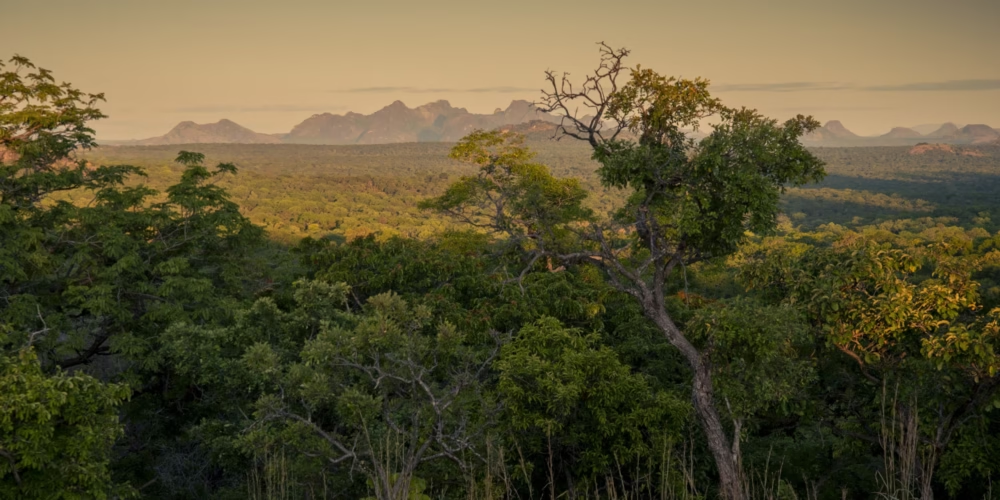

Miombo Woodland
Miombo Woodland: The Hidden Life of Southern Africa’s Forests
Spanning over 2.7 million square kilometers, Miombo Woodland forms one of the largest forest ecosystems in Africa. It stretches across countries like Zambia, Tanzania, Angola, Zimbabwe, Mozambique, Malawi, and DR Congo. Despite its size, the Miombo often hides in plain sight—quiet, vast, and full of life.
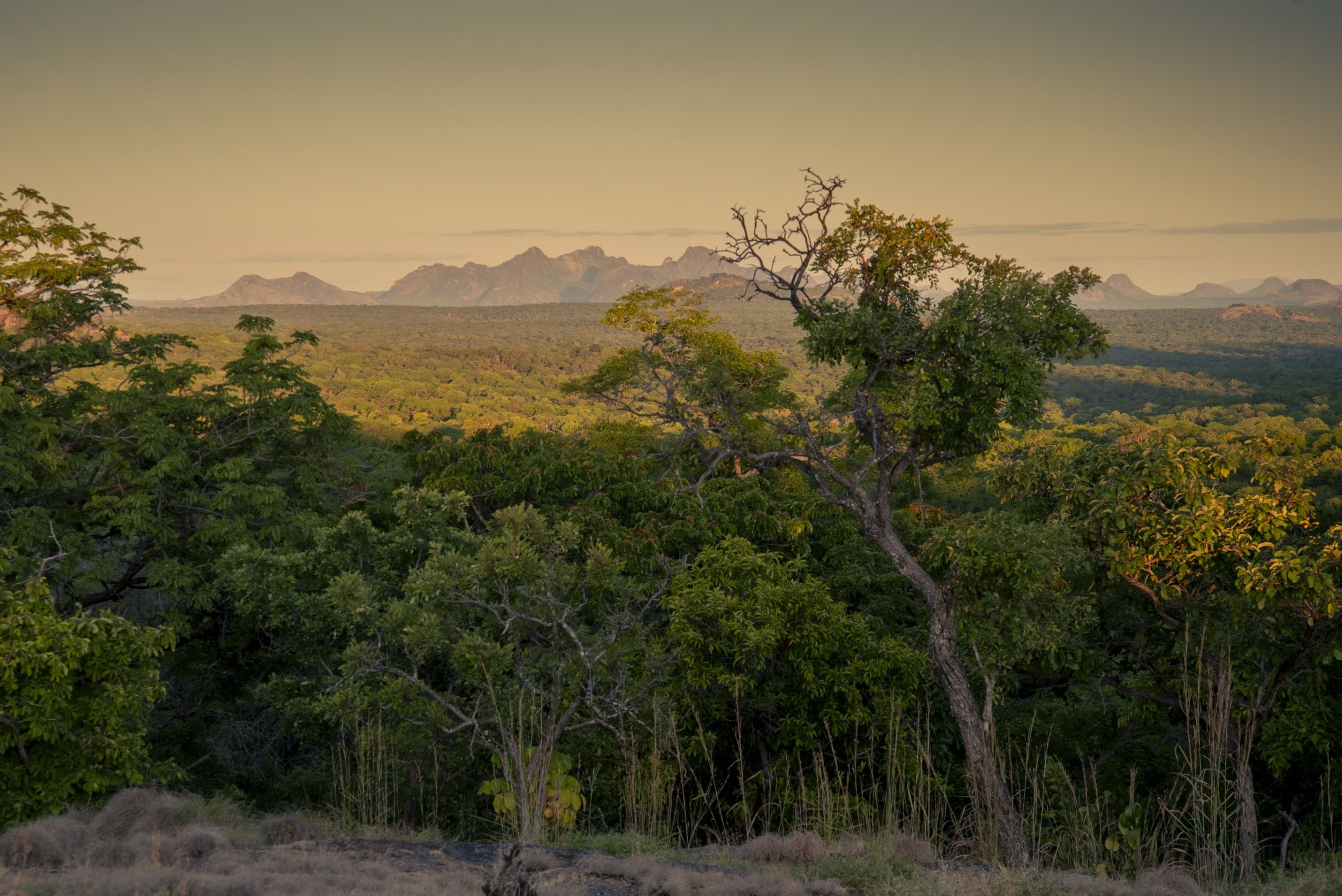
What Is Miombo Woodland?
Miombo refers to open-canopy woodlands dominated by tree species in the Brachystegia, Julbernardia, and Isoberlinia genera. These trees drop their leaves during the dry season, creating a rich carpet of nutrients for the soil. During the rains, the forest turns lush and green, supporting birds, mammals, insects, and communities that live alongside it.
It’s not a jungle and not quite savannah. Miombo is a transitional ecosystem—dry, yet fertile. Simple, yet full of hidden complexity.
Where You’ll Find It
The Miombo Woodland covers much of central and southern Africa. The largest tracts exist in:
- Zambia (especially in the Central and Eastern Provinces)
- Angola
- Southern Tanzania
- Malawi and Mozambique
- Western Zimbabwe
- Southern DRC
Many national parks and reserves protect Miombo landscapes, including Ruaha National Park, Kafue National Park, Niassa Reserve, and Gorongosa National Park.
Wildlife of the Miombo
The woodland supports elephants, roan antelopes, sable antelopes, African wild dogs, and leopards. Birdlife thrives here, especially during the wet season. Species such as Miombo blue-eared starlings, woodpeckers, and sunbirds depend on the unique tree cover.
Insects—especially termites and butterflies—play a key role in nutrient recycling. Many of these creatures are endemic to Miombo, found nowhere else.
People of the Miombo
Local communities have lived in harmony with these woodlands for centuries. The Lozi, Bemba, Chewa, Shona, and Makonde all use the woodland for fuelwood, food, honey, herbs, and building materials. Trees like Brachystegia produce wild mushrooms after rains. Others provide medicinal bark and edible fruits.
Fire plays a major role in how locals manage the land. Controlled burning clears underbrush and stimulates new growth. These cultural practices shape the ecosystem as much as climate does.
Threats and Conservation
Miombo is under pressure. Charcoal production, illegal logging, shifting agriculture, and climate change are fragmenting habitats. Because it regenerates slowly, degradation happens faster than recovery.
Several conservation efforts focus on community-managed forests, fire control, and sustainable harvesting. Protected areas and eco-tourism also help reduce pressure while supporting local livelihoods.
Miombo and the Carbon Cycle
This woodland stores large amounts of carbon in both trees and soil. Its vast size makes it crucial in fighting climate change. Protecting the Miombo is not just about saving animals—it’s about safeguarding global climate balance.
Why Visit Miombo Woodland
Few travelers realize how rich these woodlands are. Unlike open savannahs, Miombo demands patience. Wildlife hides in the trees. Sounds replace sights. Nature feels closer and quieter. It’s a perfect escape for photographers, birdwatchers, conservationists, and travelers who want something off the beaten path.
You’ll walk among ancient trees, listen to forest birds, track elephants by scent, and connect with communities who depend on nature’s rhythm.
Plan Your Miombo Experience
At VisitRwandaGorilla.com, we design unique itineraries through Miombo landscapes in Zambia, Tanzania, Zimbabwe, and beyond. Whether you want to explore Kafue, walk through Ruaha, or visit a conservation project in Mozambique, we make it happen with expert local guides.
👉 Contact us to create your Miombo adventure today.