
Riding Safari in Tanzania
Riding Safari in Tanzania—A Wild Ride Through the Serengeti and Beyond
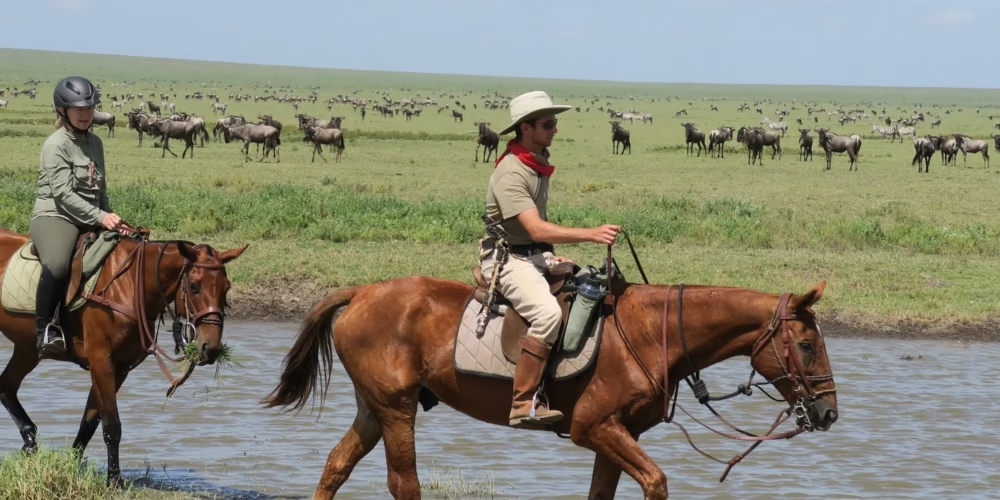
A riding safari in Tanzania is not your average game drive. You swap the sound of an engine for hoofbeats and the close air-conditioned cabin for open wilderness. On horseback, you move in rhythm with nature. You ride through golden grasslands, wooded savannas, and remote trails that vehicles can’t reach.
Tanzania’s diverse landscapes and abundant wildlife make it one of the most exciting destinations for a horseback safari in Africa.
Where Can You Ride in Tanzania?
-
Serengeti Plains
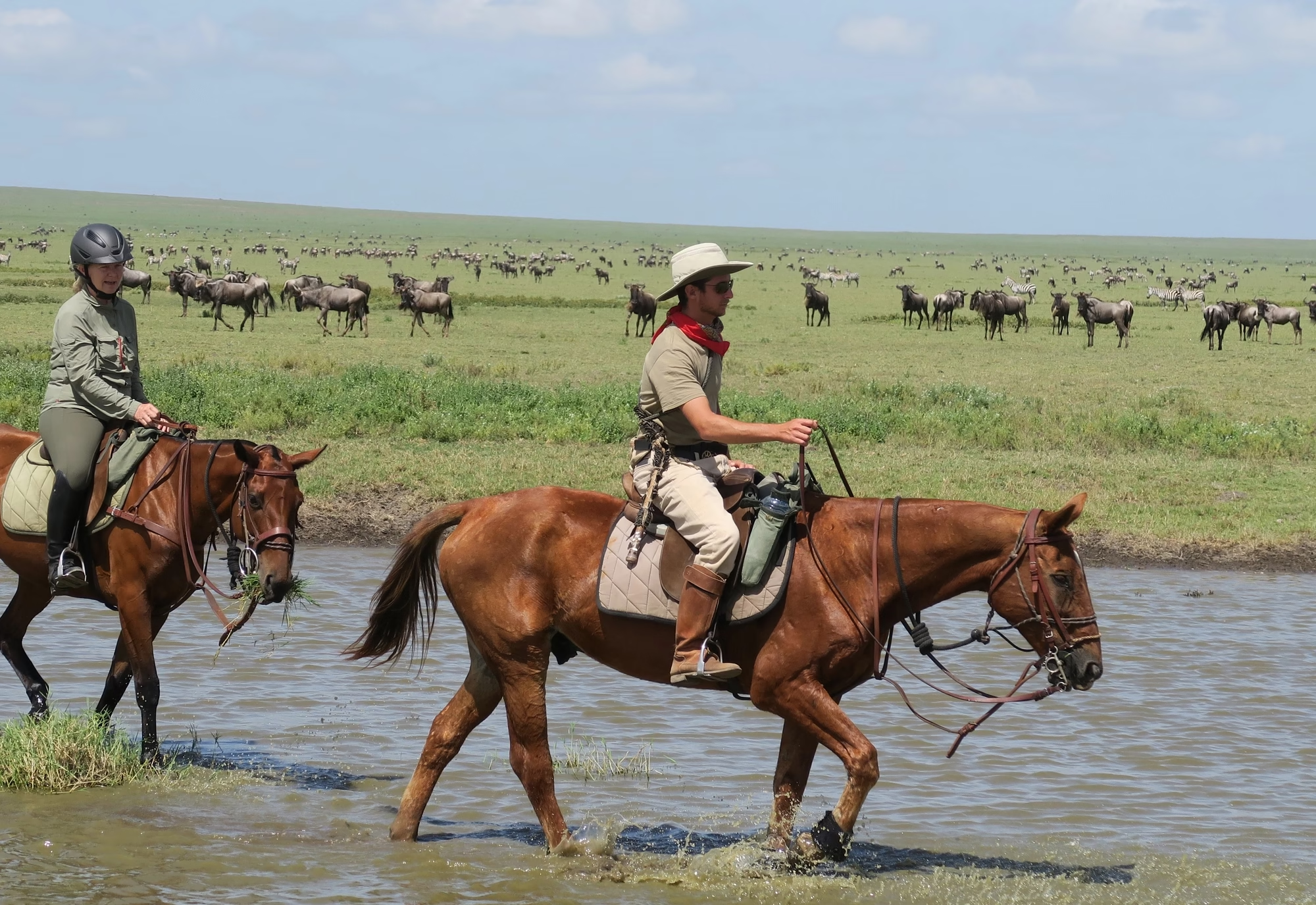
The Serengeti offers the ultimate riding safari. Picture yourself galloping alongside wildebeest, zebras, and giraffes under a big sky. You follow ancient migration routes on well-schooled safari horses. This is true adventure.
-
Natron and Longido Area
Near Lake Natron, the terrain is volcanic and dramatic. Rides pass Maasai villages, lava fields, and herds of gazelles. It’s remote and deeply cultural.
-
West Kilimanjaro
Ride in the shadow of Mount Kilimanjaro, across open plains with views of Amboseli and Ol Doinyo Lengai. Wildlife is present, but here it’s more about scenery, solitude, and culture.
What Wildlife Will You See?
While horseback riding, you can spot:
- Giraffes
- Zebras
- Wildebeest
- Elands
- Gazelles
- Ostriches
- Buffalo
- Sometimes lions and elephants (at a safe distance)
Because horses don’t disturb wildlife the way vehicles do, you can often get closer—without startling the animals.
What Riding Experience Do You Need?
You must be confident at all paces—walk, trot, and canter—and able to control a horse in open terrain. Most Tanzania horseback safaris are for intermediate to advanced riders.
Daily rides cover 15–30 km, often with 5–6 hours in the saddle.
Accommodation on Safari
You stay in mobile tented camps or safari lodges depending on your itinerary. Camps move with the ride, offering hot bush showers, hearty meals, and starlit dinners.
Expect:
- Comfortable canvas tents
- Simple luxury in remote locations
- Fire-lit evenings and Maasai storytelling
Best Time to Ride in Tanzania
The dry season is best:
June to October – clear skies, dry ground, and excellent wildlife visibility.
January to March – green season rides are possible in some areas, especially around Ndarakwai and Kilimanjaro.
Avoid April–May due to heavy rains.
Why Choose a Riding Safari in Tanzania?
- Immersive experience – Ride in the heart of the wild
- Close wildlife encounters – Especially with non-predators
- Unique landscapes – Savannah, volcanoes, and salt lakes
- Authentic culture – Interact with Maasai communities
- Freedom – Go where vehicles cannot
It’s not just a safari. It’s an adventure for your soul.
Packing Tips for a Riding Safari
Bring:
- Helmet (some operators provide)
- Jodhpurs or riding pants
- Riding boots with grip
- Long-sleeve shirts for sun protection
- Sunscreen, sunglasses, and gloves
- Warm layers for evenings
- Insect repellent
- Small saddlebagfor water and camera
Stick to earth tones—khaki, brown, and green.
Is It Safe?
Yes, with experienced guides and well-trained horses. Operators follow strict safety protocols and respect animal behavior. Riders get detailed briefings before every safari.
Book Your Tanzania Riding Safari
At VisitRwandaGorilla.com, we work with expert horseback safari outfitters in Tanzania. Whether you want a short ride near Arusha or a multi-day mobile safari across the Serengeti, we help you plan the perfect route.
👉 Contact us today to saddle up and ride into the wild