
What Are the Disadvantages Of Gorilla Trekking In The Rainy Season?
What Are the Disadvantages of Gorilla Trekking in the Rainy Season?
Gorilla trekking in rainy season. While gorilla trekking in the wet season offers several benefits, it also comes with notable challenges. The rainy season—between March to May and October to November—brings heavy downpours and slippery forest trails. These conditions can affect both comfort and accessibility.
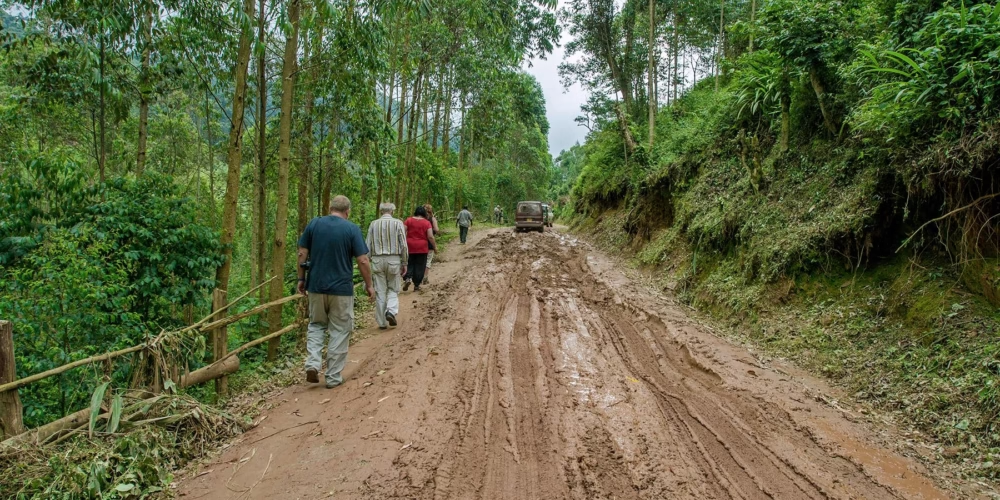
Muddy Trails and Slippery Terrain
Rainfall turns forest paths into mudslides. The steep trails in Bwindi, Volcanoes, or Mgahinga National Parks become extremely slippery. Trekking becomes physically demanding and sometimes dangerous. Good hiking boots, gaiters, and rain gear are essential. Even with preparation, walking through thick, wet jungle can be exhausting.
Rain Can Disrupt the Experience
Sudden rain showers can occur at any time. These can interrupt sightings, blur camera lenses, and limit your ability to fully enjoy the moment. Wet weather may also cause gorillas to seek shelter, reducing visibility. The rain dampens sound and reduces the clarity of wildlife communication and behavior.
Unpredictable Gorilla Movements
While gorillas may stay at lower altitudes, this isn’t guaranteed. In some cases, they still move deeper into dense forest in search of specific plants. Rain can also wash away food sources, forcing gorillas to roam unpredictably. This can make trekking longer and more tiring than expected.
Photography Challenges
Moisture and low light in the forest can make photography difficult. Fog and mist may blur your shots. Cameras and lenses are vulnerable to water damage. If you are a serious photographer, the rainy conditions may prevent you from capturing crisp images unless you carry weather-sealed equipment.
Uncomfortable Conditions
Wet clothes, soggy gear, and biting cold can make the trek uncomfortable. Humidity levels rise during and after rain. Combine this with thick clothing and strenuous hiking, and you may feel overheated and sticky. Insects like mosquitoes and forest ants are also more active during wet weather.
Accessibility Issues
Remote roads leading to national parks become muddy and hard to navigate. Vehicles can get stuck or delayed. Some lodges may become harder to reach. If you’re traveling on a tight schedule, these delays could affect your plans.
Reduced Lodge Options
Although prices drop during the wet season, some lodges take this time to close for maintenance. You may have fewer accommodation options, especially near trailheads. Services might be limited, and fewer travelers can mean less lively social experiences.
Conclusion
Gorilla trekking in the rainy season is not for everyone. The forest is alive and lush, but the journey can be tough. Rain, mud, and cold conditions demand mental and physical preparation. However, with proper gear and a flexible mindset, the experience can still be magical despite the challenges.
Call to Action
Still want to meet the mountain gorillas—even in the rain? Contact Us organize your wet-season trek with expert guides, 4×4 support, and reliable gear recommendations.
👉 Visit our website and plan your adventure today!