
Kenya Hiking Safaris
Kenya Hiking Safaris – Best Trails and Tips for Adventure Lovers
Kenya is famous for its wildlife safaris, but it’s also home to some of the most thrilling and scenic hiking adventures in Africa. From volcanic mountains and forested hills to alpine peaks and crater lakes, Kenya offers hikes that match every fitness level and adventure spirit. Whether you’re trekking to the glaciers of Mount Kenya or walking through the rolling plains of Hell’s Gate, each trail brings you closer to nature in its raw form.
This guide covers the top hiking safaris in Kenya, what to expect on each trail, and tips to make the most of your trek.
-
Mount Kenya—The Ultimate Climb
Mount Kenya is the second-highest peak in Africa and one of the most spectacular hiking destinations. It offers several trekking routes, each with different levels of difficulty.
- The Sirimon Route is popular for its gradual ascent and scenic views.
- The Chogoria Route features dramatic gorges and waterfalls.
- The Naro Moru Route is steep but the fastest way to Point Lenana.
Reaching Point Lenana (4,985 meters) is the goal for most trekkers. It doesn’t require technical climbing but does demand good fitness. Treks range from 3 to 5 days.
Expect to see bamboo forests, giant lobelias, alpine moorlands, and glaciers. Wildlife includes buffaloes, monkeys, and mountain antelope.
-
Hell’s Gate National Park – Walk with Wildlife
Hell’s Gate is a unique destination where you can hike through a landscape shaped by volcanic activity. Towering cliffs, gorges, rock towers, and steam vents dominate the terrain.
It’s one of the few parks in Kenya where you can walk or cycle near zebras, gazelles, and giraffes. The Fischer’s Tower and Hell’s Gate Gorge offer fantastic short hikes.
The park is also known for its role in inspiring the landscapes of Disney’s The Lion King.
-
Mount Longonot – Crater Rim Challenge
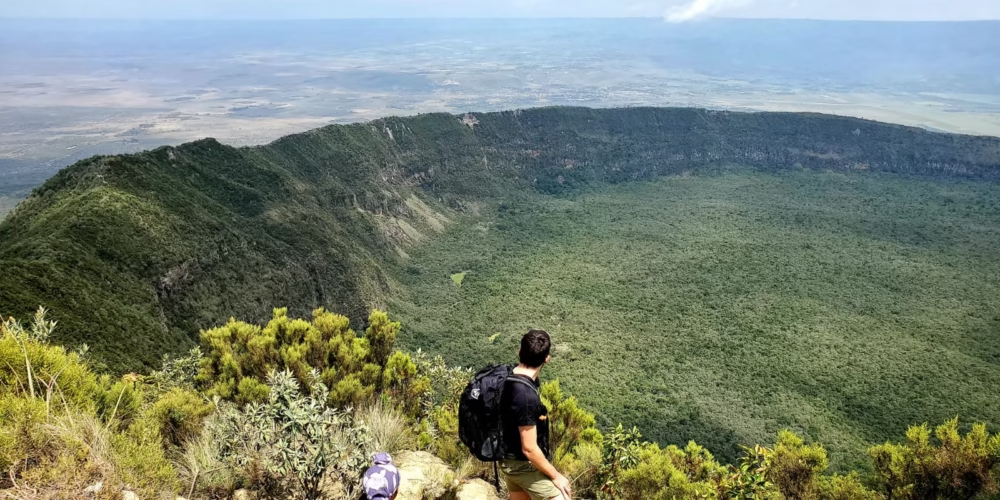
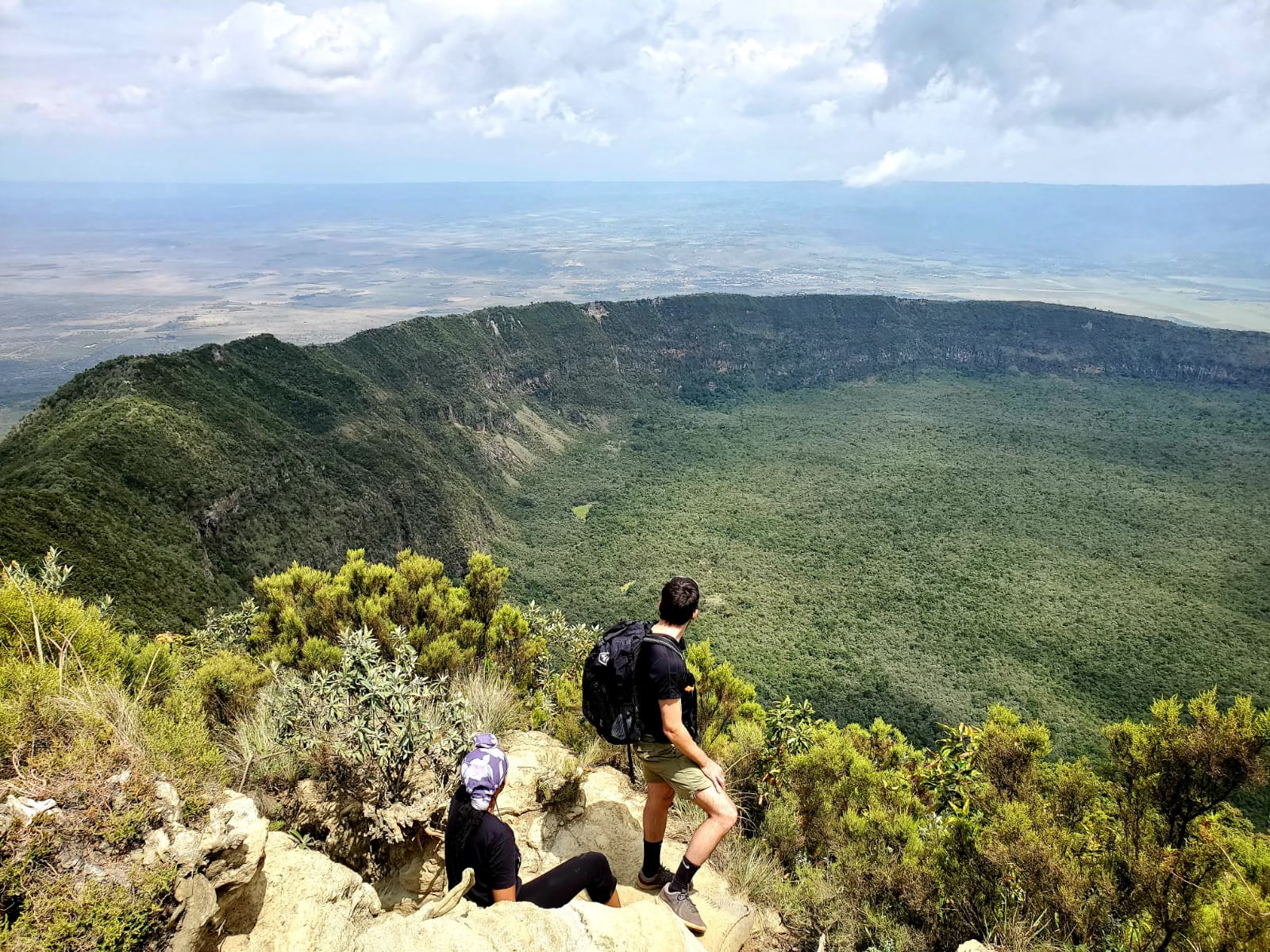
Just 90 kilometers from Nairobi, Mount Longonot is perfect for a day hike. The dormant volcano rises dramatically from the Rift Valley floor.
The hike to the rim is steep and challenging, but the views are worth the effort. Once at the top, you can walk around the entire crater in about 2–3 hours. The total distance covered is about 13 kilometers.
Birds of prey, monkeys, and buffalo are often seen in the area.
-
Ngong Hills – Close to Nairobi
For a quick hike near the capital, the Ngong Hills are ideal. This ridgeline features a series of peaks that offer sweeping views of Nairobi on one side and the Great Rift Valley on the other.
Hiking here takes 4 to 5 hours, depending on how many hills you cross. It’s a favorite spot for locals and visitors alike. On clear days, you can even spot Mount Suswa in the distance.
-
Aberdare Ranges – Forest and Waterfalls
The Aberdares are lush and misty, with dense forests, waterfalls, and mountain bogs. Trekking here is different from other drier Kenyan hikes. It’s cooler, greener, and wetter.
Popular trails include hikes to Karuru Falls and the Dragon’s Teeth, a ridge of sharp rock spires. The area is home to elephants, bushbucks, and elusive leopards.
Due to heavy vegetation and wildlife, hiking in Aberdares is best done with an experienced guide.
What to Pack for Hiking in Kenya
- Strong, waterproof hiking boots
- Layered clothing for changing temperatures
- Lightweight rain jacket
- Water bottles or hydration pack
- Energy snacks
- Sunscreen and sunglasses
- Walking stick (especially for crater or ridge hikes)
Best Time for Hiking Safaris in Kenya
Kenya’s dry seasons—January to March and July to October—offer the best hiking conditions. Trails are less muddy, visibility is better, and wildlife is easier to spot.
Avoid April to June and November, when heavy rains make trails slippery and rivers swell.
Safety Tips for Hiking in Kenya
- Hire a certified guide for multi-day treks or remote routes.
- Start early to avoid afternoon heat or rain.
- Always let someone know your route and return time.
- Respect park regulations and local customs.
- Carry enough water, especially in dry areas.
Combining Hiking with Wildlife Safaris
One of the best things about hiking in Kenya is that you can combine it with classic game drives. After hiking Mount Kenya, you can go on safari in Samburu or Meru National Parks. From Hell’s Gate, it’s a short drive to Lake Naivasha for boat rides and birdwatching.
Final Thoughts
Hiking safaris in Kenya take you beyond the game drive. They put you on foot, in the wild, where you feel the terrain under your boots and the wind on your face. Whether you’re climbing peaks, circling craters, or walking among wildlife, the trails of Kenya leave lasting impressions.
From rugged adventure to peaceful walks, Kenya has a hike for every traveler. Lace up, pack light, and let the trail lead the way.