
Tanzania Hiking Safaris
Tanzania Hiking Safaris – Top Trails, Tips, and What to Expect
Tanzania is a land of adventure. While it’s known for iconic wildlife safaris and the Great Migration, it also offers some of Africa’s best hiking experiences. From towering mountains to volcanic craters and tropical rainforests, Tanzania’s hiking trails deliver more than just exercise—they immerse you in landscapes shaped by fire, time, and untamed beauty.
This guide explores the best hiking safaris in Tanzania, what to expect, and how to prepare.
-
Mount Kilimanjaro—The Roof of Africa
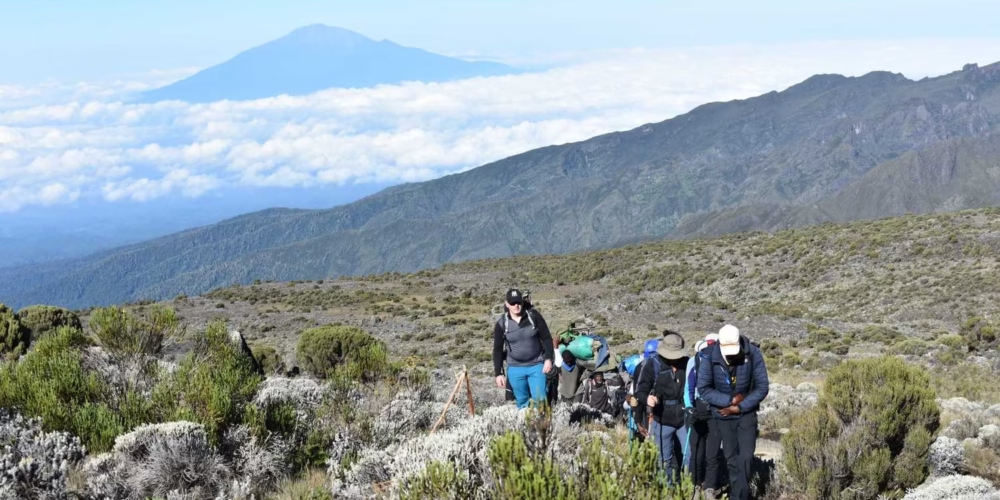
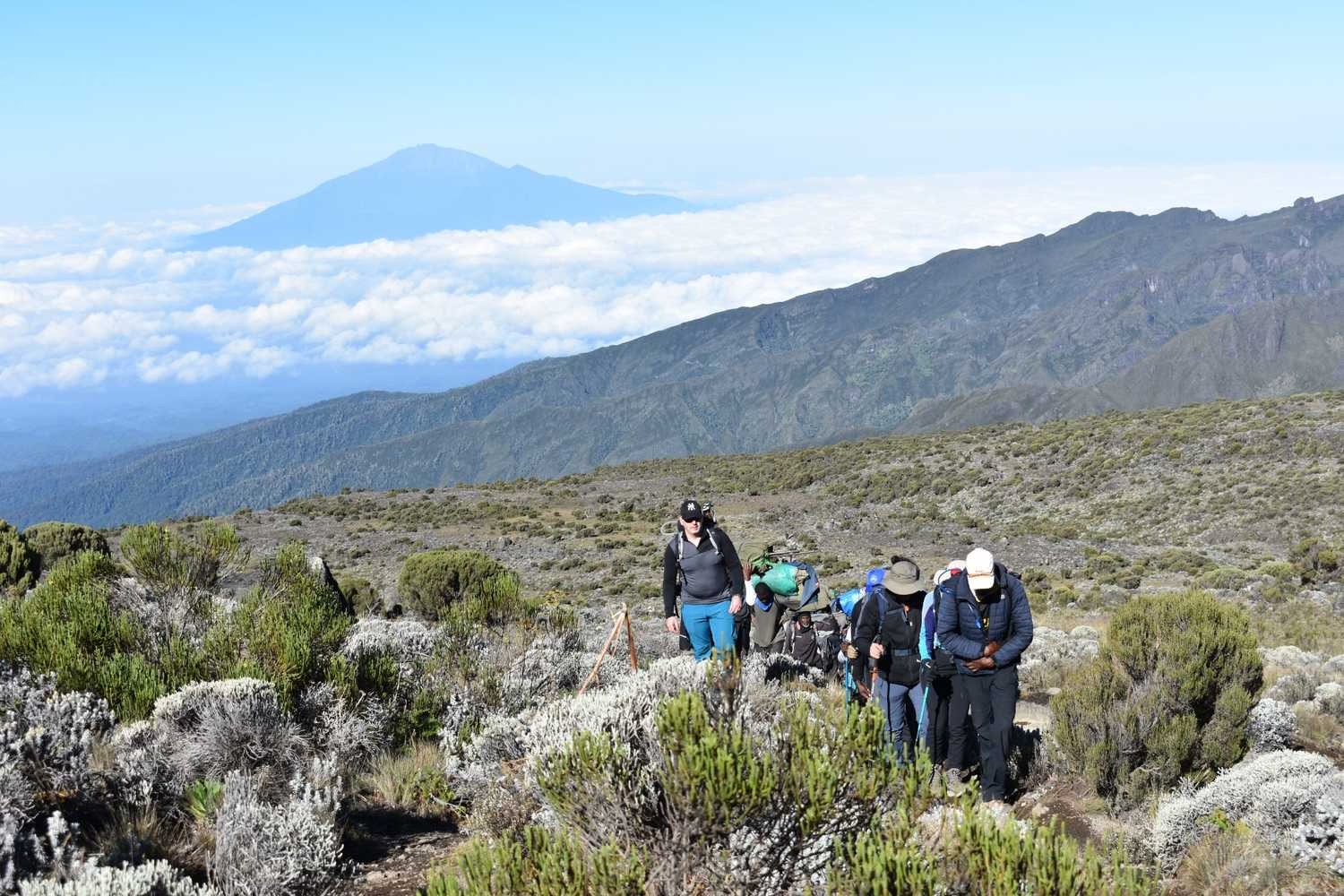
Mount Kilimanjaro is the highest mountain in Africa. It rises 5,895 meters above sea level and attracts hikers from all over the world. The climb doesn’t require technical skills, but it demands stamina, determination, and altitude readiness.
There are several routes to the summit:
- Machame Route – scenic, popular, and moderately difficult
- Lemosho Route—quieter, longer, and offers better acclimatization
- Marangu Route—the only one with hut accommodation
- Rongai Route—less crowded, coming from the northern side
Most treks last 6 to 9 days. You’ll pass through different climate zones, from tropical forest to icy summit. A certified mountain guide, porters, and cooks will accompany you for support and safety.
-
Mount Meru—Kilimanjaro’s Little Brother
Mount Meru sits in Arusha National Park. It stands at 4,566 meters and offers a challenging hike with rich rewards. The trek is steep, scenic, and often used as acclimatization for Kilimanjaro.
You’ll walk through forests full of wildlife, cross ridges with deep valleys, and enjoy views of Kilimanjaro from the summit. The hike typically takes 3 to 4 days.
Mount Meru sees fewer visitors, so it feels more remote and peaceful.
-
Empakaai Crater Hike – Ngorongoro Highlands
Empakaai Crater is a hidden gem in the Ngorongoro Conservation Area. The crater is 6 kilometers wide and filled with a deep soda lake. Flamingos often crowd the lake’s shores, and forested walls provide shelter for buffalo, monkeys, and birds.
You can hike down to the crater floor with a ranger guide. The descent takes about 30 minutes; the climb back up is steeper but manageable.
This day hike is perfect for those exploring the Ngorongoro area.
-
Olmoti Crater Hike
Olmoti Crater offers a short and scenic hike not far from Empakaai. The trail is gentle and leads to a small waterfall called Munge Falls. Local Maasai guides often join the trek, sharing stories about their culture and land.
This hike is great for families or travelers who want a lighter walking experience.
-
Udzungwa Mountains – Rainforest Adventure
Located in southern Tanzania, the Udzungwa Mountains are part of the Eastern Arc range. They’re known for biodiversity and rare species like the Udzungwa red colobus monkey.
The most popular hike leads to Sanje Waterfalls, a 170-meter drop through thick rainforest. The forest is alive with monkeys, birds, and butterflies. The trail is steep in sections, but the waterfall views are worth it.
Hiking here combines nature, wildlife, and waterfall beauty in one trip.
-
Usambara Mountains—Off-the-Beaten-Path Trekking
The Usambara Mountains in northeastern Tanzania offer a cooler, greener alternative. These rolling hills and forests are full of local charm. The Lushoto and Amani regions are great starting points.
You’ll walk through farms, villages, and forests. Local guides lead multi-day treks between remote communities. It’s a cultural and ecological experience in one.
What to Pack for Hiking Safaris in Tanzania
- Durable hiking boots
- Warm layers for mountain nights
- Lightweight clothes for daytime hiking
- Rain jacket and poncho
- Reusable water bottles or hydration pack
- Walking sticks (especially for mountain trails)
- Sunscreen, hat, and sunglasses
- Headlamp for early starts
Best Time to Hike in Tanzania
January to March and June to October are the best months for hiking. These periods are dry, with clear skies and manageable trails. Avoid April and May due to heavy rains, especially on forested routes.
Fitness Tips and Safety
- Train with cardio and strength hikes before you travel
- Walk with a guide on all official trails
- Acclimatize slowly when trekking over 3,000 meters
- Stay hydrated and eat energy-rich foods
- Let someone know your hiking plan and expected return
Combine Hiking with Wildlife Safaris
You don’t have to choose between hiking and wildlife. In Tanzania, you can do both. Climb Mount Meru, then head to Tarangire or Serengeti for a safari. Hike Empakaai and combine it with a crater game drive. After Usambara, relax on the beaches of Zanzibar.
Final Thoughts
Tanzania offers hiking safaris that are wild, scenic, and rewarding. From snow-capped summits to tropical waterfalls, the country has a trail for every adventure level. These hikes bring you face-to-face with nature and give you a deeper connection to Africa’s wild soul. If you’re looking for more than a game drive, step into your boots and hit the trail.