
Top Tourist Attractions in South Sudan
Top Tourist Attractions in South Sudan
Why Visit South Sudan?
South Sudan is a raw, culturally rich destination for travelers seeking untamed landscapes, tribal experiences, and off-the-beaten-track wildlife. With little commercial tourism and largely preserved traditions, the country offers something rare—authenticity.
Though infrastructure is limited, visitors who go with local guides gain access to extraordinary places and people. Here are the top destinations worth exploring.
-
Mundari Cattle Camps – Terekeka County

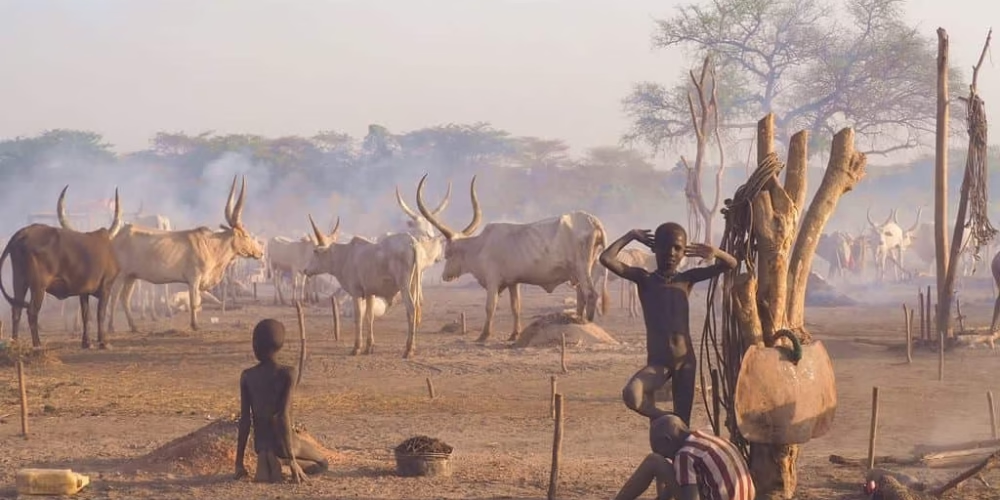
Just north of Juba, the Mundari cattle camps offer a surreal visual experience. Young men tend to massive Ankole cows, cover themselves in ash, and perform traditional rituals. The atmosphere is smoky, sacred, and full of cultural depth. These camps operate year-round but are most vibrant during the dry season.
-
Boma National Park
Located near the Ethiopian border in the east, Boma is South Sudan’s largest national park. It’s known for massive white-eared kob migrations, wild dogs, tiang antelope, and buffalo. Although rarely visited, the park holds untapped potential for eco-tourism. A visit combines both wildlife and Murle tribal culture.
-
Bandingilo National Park
South of Juba, Bandingilo is famous for the second-largest land animal migration on Earth, involving antelope, giraffe, and elephants. Birdlife is also prolific here. Access requires a sturdy 4×4 and knowledgeable guides. This park offers both bush camping and scientific exploration opportunities.
-
Juba City
South Sudan’s capital is a vibrant cultural mix of modern and traditional life. Visit the Dr. John Garang Mausoleum, the bustling Juba market, and dine along the Nile River banks. Local craft shops sell beaded jewelry, baskets, and tribal sculptures. Juba also serves as the starting point for most South Sudan safaris.
-
Kidepo Game Reserve (South Sudan side)
Separate from Uganda’s Kidepo Valley National Park, South Sudan’s Kidepo Reserve offers similar wildlife including lions, elephants, and ostriches, but sees very few tourists. The terrain is semi-arid and ideal for wilderness camping with strong local support.
-
Toposa and Boya Tribal Villages – Eastern Equatoria
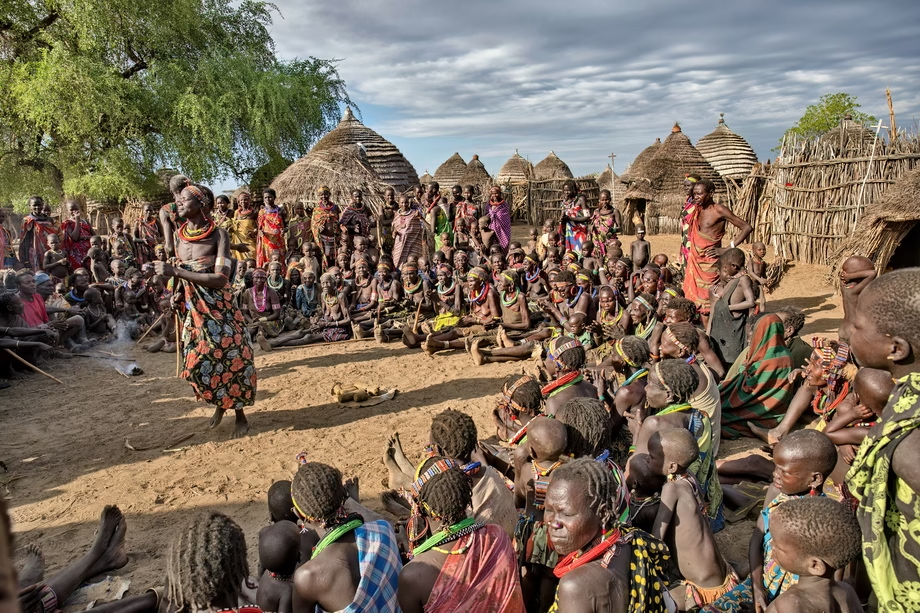
These communities still practice body scarification, wear lip plates, and host traditional dances. The villages around Kapoeta and Torit give travelers a glimpse into ancient customs that survive untouched. Visits require planning, respect, and local fixer support.
-
Dinka Cattle Culture – Lakes and Warrap States
The Dinka are known for their tall stature, poetic expression, and deep cattle traditions. Travelers often witness cattle parades, naming ceremonies, or wrestling matches. Access is possible through private tribal tours from Juba or Rumbek, with logistical preparation.
-
Nimule National Park
Situated on the Uganda border, Nimule offers more accessible game viewing. You can spot elephants, hippos, and baboons while exploring the Nile River islands and rapids. Nimule is one of the few parks with functional ranger posts and entry points.
-
Mount Kinyeti – Imatong Mountains
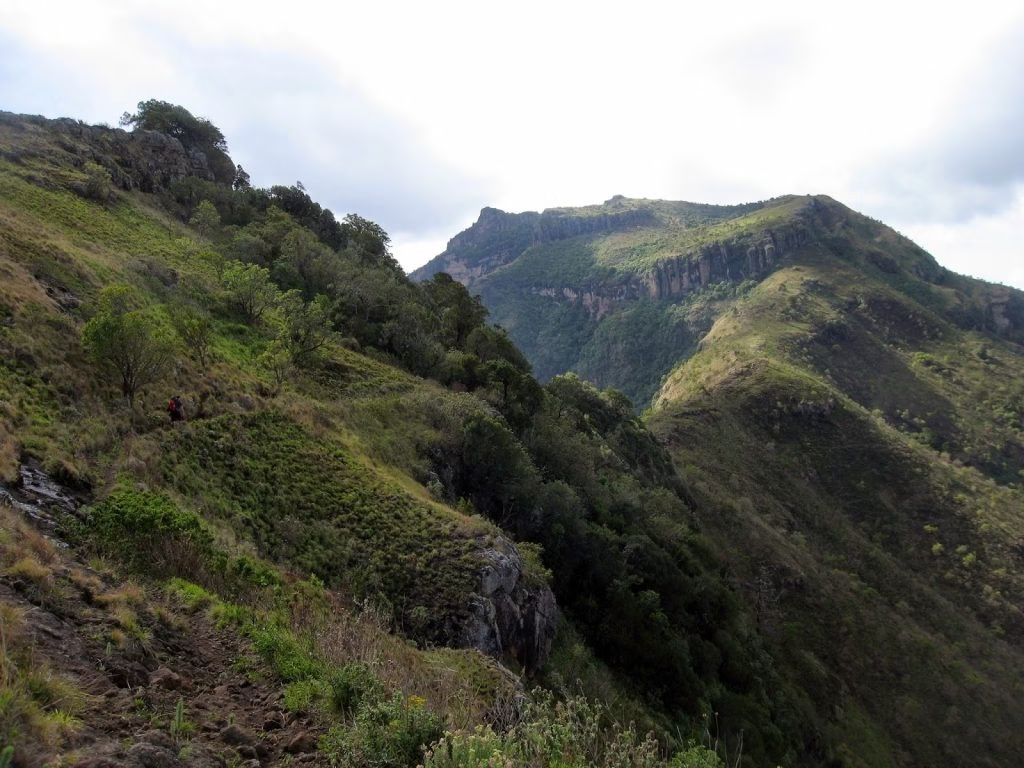
This is the highest point in South Sudan, reaching 3,187 meters. The mountain lies in Eastern Equatoria near Torit. Hiking to the summit rewards travelers with rare flora, panoramic views, and encounters with the local Lotuko people. This area is ideal for trekking and nature photography.
-
Fangak and Sudd Wetlands
In Jonglei State, Fangak and the Sudd region contain Africa’s largest wetlands. This area is rich in birdlife, traditional fishing communities, and seasonal floating villages. The terrain is difficult but rewarding for scientific researchers and eco-conscious explorers.
Travel Tips
- Visit during the dry season (Nov–Mar) for best access
- Always travel with a licensed local guide or operator
- Respect tribal customs and request permission before taking photos
- Bring essential supplies, including cash, as most areas lack infrastructure
- Secure your e-visa, yellow fever certificate, and insurance in advance
Plan Your South Sudan Experience
Tourism in South Sudan is still in its infancy, but that’s what makes it so rewarding. The country offers the curious traveler a chance to witness a way of life that few outsiders ever see. Contact Us, you can explore places that remain wild, raw, and deeply human.