
South Sudan Tribal Tours – Discover Authentic African Cultures
South Sudan Tribal Tours – Discover Authentic African Cultures
Why Visit South Sudan for Tribal Tours?
South Sudan tribal tours. South Sudan is home to more than 60 ethnic groups, many of which still live according to traditional customs. Unlike other destinations where tribal tourism is staged, here you engage directly with communities that remain culturally intact. These experiences offer raw, meaningful contact with Africa’s living heritage.
Key groups of people to Visit
Mundari People
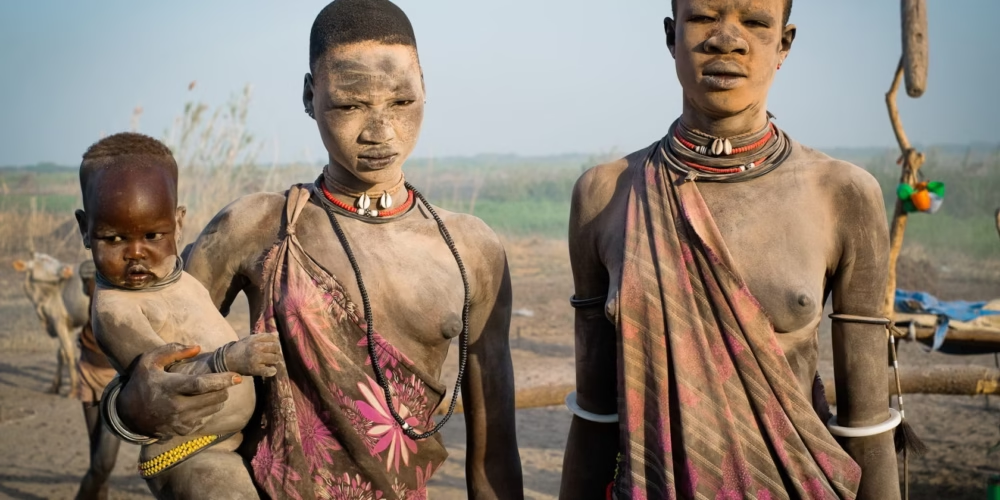
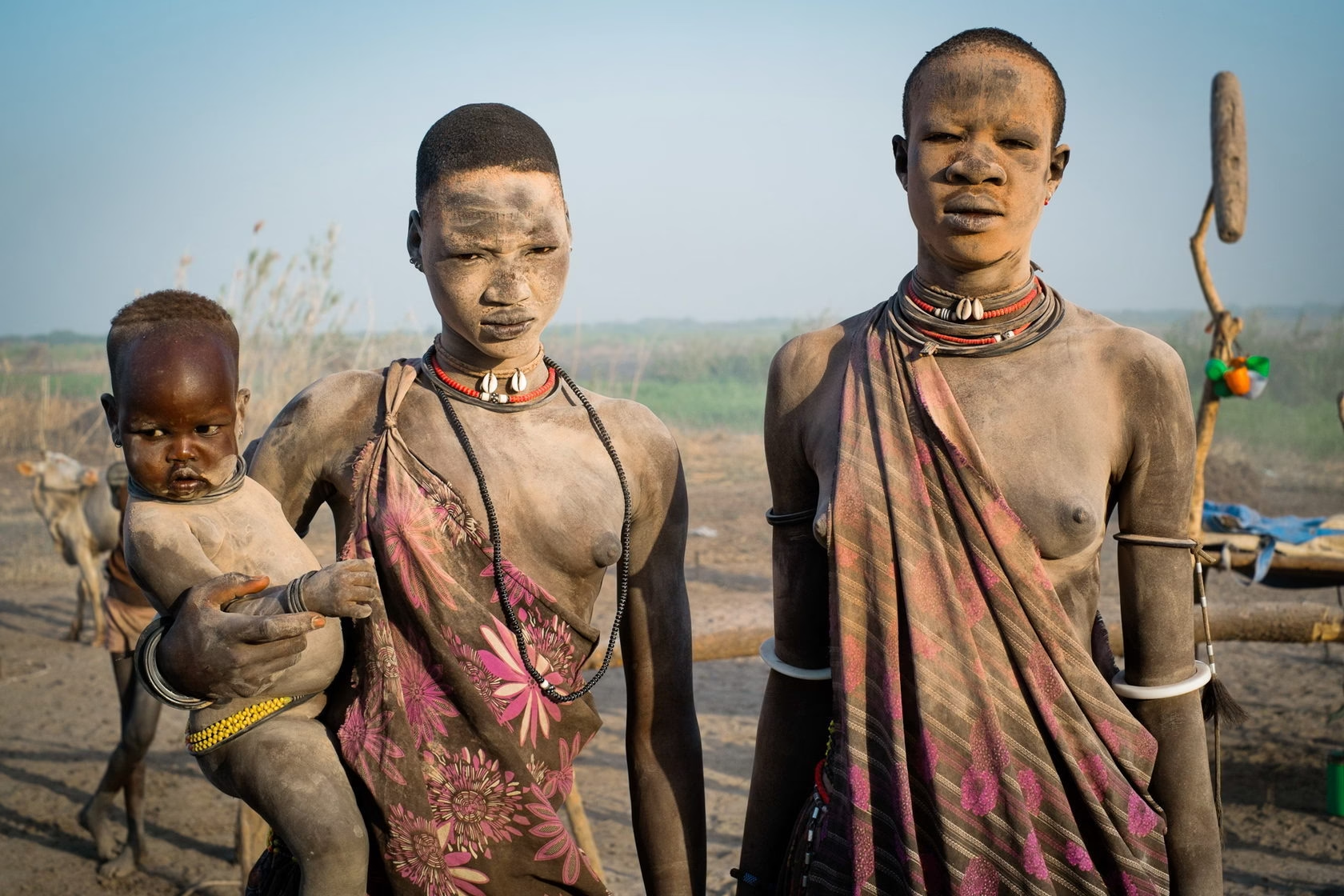
North of Juba along the Nile in Terekeka County, the Mundari live in deep connection with their cattle. Their daily life centers on large cattle camps, where young men sleep beside long-horned Ankole cows. They rub ash on their bodies for hygiene and to signal status. Scarification marks their skin, spiritual rituals shape their beliefs, and livestock songs echo through the camps—especially during the dry season when activity peaks.
Dinka People
The Dinka are one of South Sudan’s largest groups, spread across Jonglei, Lakes, and Warrap states. Their culture is deeply pastoral. Cattle are not only a food source but a symbol of honor, love, and pride. Dinka men often express themselves through song and poetry, and traditional wrestling remains an important rite of passage.
Toposa and Jie people
Found in Eastern Equatoria, near Kapoeta, these people live in one of the driest and most remote regions of South Sudan. Their communities maintain body scarification, wear traditional jewelry, and live in thatched homesteads. Women often decorate their faces with lip plugs and beads, while elders recount tales of clan origin, cattle raids, and warrior life.
Lotuko and Boya People
South of Torit, the Lotuko and Boya inhabit rocky hills and green valleys. Their villages sit on mountainsides, giving dramatic views and quiet surroundings. Community dances, harvest rituals, and clan gatherings mark life here. Expect guided hikes, elder-led storytelling, and moments of spiritual ceremony.
Murle People
The Murle reside in and around Boma and Pibor. Though harder to reach, they offer rich insight into South Sudan’s eastern frontier. Their culture includes body painting, ritual dances, and cattle-related ceremonies. Visits here often pair well with wildlife expeditions in nearby Boma National Park.
What to Expect
You’ll travel with expert local guides, visit real communities (not staged villages), and stay in mobile tented camps or basic guest huts. Tribal visits include ceremonies, traditional meals, and one-on-one interactions with elders and youth. Photography is allowed with respect and permission.
Tours vary in depth and length. Some last just 2–3 days near Juba, while others take you on 7–10 day cross-cultural journeys deep into tribal territory.
Getting There
Start your journey in Juba, South Sudan’s capital. From there, tribal regions are reached by 4×4 vehicles or private charters. Local operators handle logistics, permits, and fixer teams. Travel time depends on the season and the condition of rural roads.
Best Time to Visit
The dry season (November to March) is ideal for tribal tours. Roads stay open, cattle camps are active, and community events are common. During the wet season (April to October), travel becomes challenging and some regions may be cut off. Accessibility: Charter flights and 4×4 drives from Juba; access varies by region and weather
Travel Tips
- Travel with a licensed local operator—self-arranged trips are unsafe
- Carry USD cash and personal supplies; remote areas have no ATMs
- Wear respectful, modest clothing and always ask before taking photos
- Bring mosquito repellent, sun protection, and a camera with backup batteries
- Secure your South Sudan e-visa, yellow fever certificate, and travel insurance
Plan Your Tribal Journey
South Sudan offers one of the most untouched tribal travel experiences in the world. Whether you’re drawn to the ash-covered Mundari cattle camps or the jewel-studded Toposa hills, each visit reveals a powerful journey into identity, resilience, and tradition.