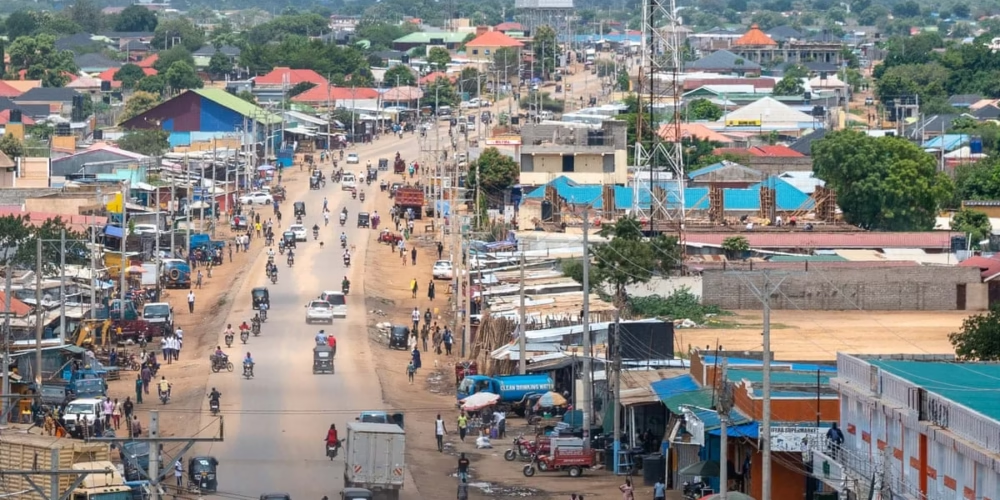

Juba Travel Guide: What to Know Before You Visit South Sudan’s Capital
Juba Travel Guide: What to Know Before You Visit South Sudan’s Capital
Where Is Juba?
Juba travel. Juba sits along the White Nile River in central South Sudan, near the country’s southern border with Uganda. It serves as the national capital and the main entry point for travelers exploring South Sudan.
The city stands about 190 kilometers north of the Nimule border post, making it accessible by road from Uganda. It’s also about 600 kilometers from Khartoum, Sudan, though overland travel from the north is not commonly recommended for tourists.

How to Get to Juba
By Air
Most travelers fly into Juba International Airport (JUB). The airport has daily or frequent flights from Nairobi, Entebbe, Addis Ababa, and Cairo. Kenya Airways, Uganda Airlines, and Ethiopian Airlines operate regular routes. Some charter flights serve remote areas and national parks.
By Road
You can drive from Uganda through the Nimule–Juba highway, a mostly paved road. The route is scenic but requires a 4×4 vehicle and good travel planning. Use a trusted local guide or tour company. Always check for updated road safety and border entry conditions.
Getting Around Juba
Taxis and Private Vehicles
Taxis and boda bodas (motorcycle taxis) operate across Juba. However, tourists usually hire private drivers or 4×4 vehicles for better safety and reliability.
Walking
Some central neighborhoods like Konyo Konyo Market and the riverside area can be explored on foot during daylight hours. Avoid walking after dark or in unfamiliar places.
Domestic Flights
If you’re heading to Boma National Park, Nimule, or Mundari cattle camps, it’s best to book charter flights through local safari operators.
Things to Do in Juba
- Nile River Walk – Stroll along the riverbank and watch the fishing boats and sunset views.
- Konyo Konyo Market – Explore local produce, crafts, and traditional fabrics.
- John Garang Mausoleum – Visit the memorial of South Sudan’s founding leader.
- Local Culture Tours – Engage with Mundari or Bari communities on guided day trips.
- River Cruises – Take a boat ride on the White Nile (seasonal availability).
Travel Tips for Juba
- Visa: South Sudan requires all travelers to get an e-visa before arrival. Apply online via the official government portal.
- Currency: The South Sudanese Pound (SSP) is the local currency. US Dollars are widely accepted in hotels and tour offices.
- Connectivity: Mobile coverage is available. MTN and Zain are the main providers. Internet is slower than in neighboring countries.
- Health: Bring malaria prophylaxis, drink bottled water, and keep yellow fever certificates ready at the border or airport.
- Security: Register with your embassy and always move with a local guide or reliable tour operator. Avoid night travel.
Plan Your Trip to Juba
Juba is more than just South Sudan’s capital—it’s a starting point to experience raw, untamed African landscapes and cultures. With careful planning and a local contact, your visit can be both meaningful and safe. Whether you’re exploring the White Nile, cultural villages, or planning a longer safari into Boma or Bandingilo National Park, Juba will be your launchpad.