
How to Capture the Perfect Gorilla Encounter on a Uganda Safari
How to Capture the Perfect Gorilla Encounter on a Uganda Safari.
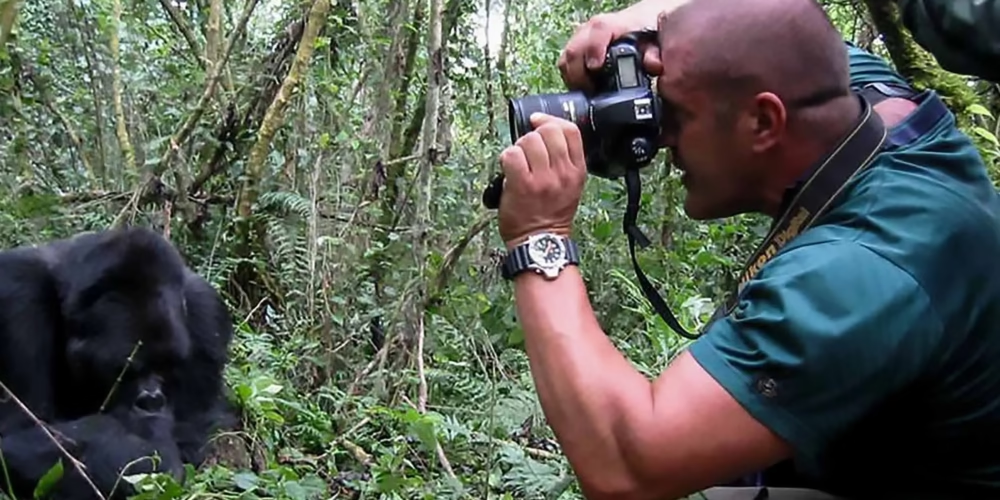
Gorilla photography Uganda. Gorilla trekking in Uganda is a once-in-a-lifetime experience. Standing just meters away from a mountain gorilla family in the misty forests of Bwindi or Mgahinga is thrilling, emotional, and humbling. For many, it’s also a chance to capture powerful photos—not just snapshots, but true memories frozen in time.
To photograph your gorilla encounter well, you will need more than just a good camera. You will need preparation, patience, and respect for the gorillas and the environment. Here’s how to make every frame count.
Know Your Camera Before the Trek
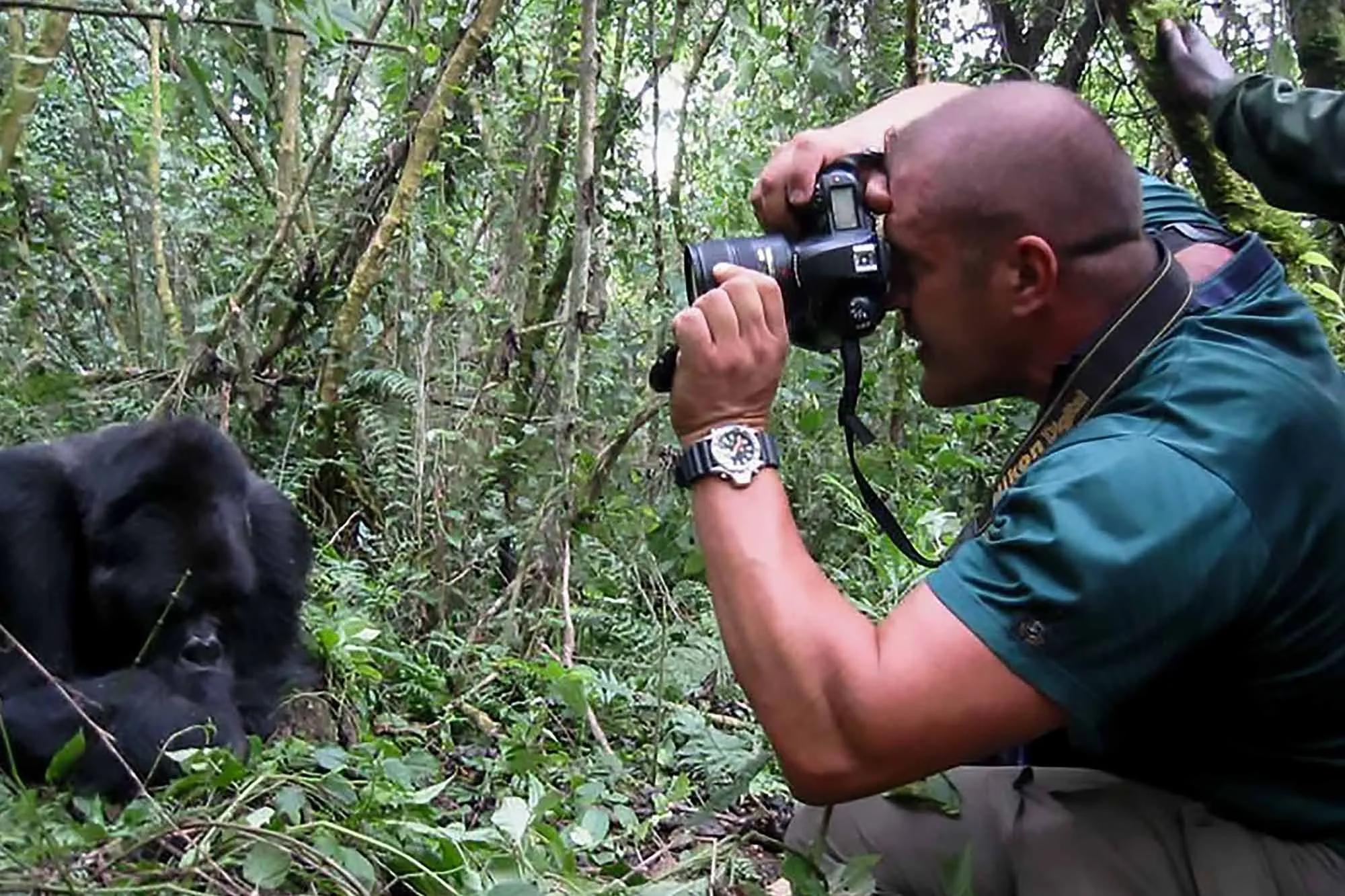
The gorilla trek is not the time to learn how your camera works. Whether you’re using a DSLR, mirrorless, or high-end phone, get comfortable with your gear before entering the forest. Practice using settings like ISO, shutter speed, aperture, and focus modes in low-light conditions, as Uganda’s rainforests can be dim and misty.
If your camera has a silent shutter mode, enable it. Loud clicks can distract the gorillas or annoy other trekkers.
Use the Right Lens and Settings
A zoom lens (ideally 70–200mm or 100–400mm) works best. You cannot get closer than 7 meters to the gorillas, so a wide-angle lens won’t capture intimate details.
Because the forest is often dark, you’ll need to shoot with a high ISO (800–3200), use a fast shutter speed (1/250 or faster), and keep your aperture wide open to let in more light.
If you’re shooting on a phone, use Pro Mode if available. Keep your hands steady, or use a small monopod or stabilizer.
Respect the Gorillas and the Rules
You’ll have just one hour with the gorilla family. That hour is not just for photos—it’s for watching, listening, and connecting.
Avoid flash photography, as it can disturb the animals. Your guide will remind you to keep noise to a minimum and stay behind the 7-meter mark. Stick to those rules, even if a gorilla comes closer on its own.
If you’re constantly staring through your lens, you’ll miss the real magic. Take moments to lower your camera and experience the gorillas with your own eyes.
Be Ready for Unpredictable Moments
Gorillas are wild animals, and their behavior can change quickly. One moment they’re lounging in the grass, the next they’re climbing a tree or beating their chest. Keep your camera on and your finger ready, because the most striking moments happen in seconds.
Try to focus on the eyes. A single image of a gorilla’s gaze can say more than a full album. Don’t worry about taking hundreds of photos. Aim for a few meaningful ones.
Capture the Environment Too
It’s tempting to focus only on the gorillas. But part of what makes the experience special is the setting—the vines, mist, mossy trees, and steep terrain.
Step back and capture wide shots that show the gorillas in their forest home. Include your guide or trekking group in a few frames for context. These shots help tell the full story of your journey.
Keep Your Gear Dry and Protected
Bwindi and Mgahinga are wet, humid environments. Bring waterproof covers for your camera or phone. A soft cloth helps keep lenses clean from fog and rain. Carry gear in a small, padded backpack and avoid bulky tripods—they’re not allowed on the trek.
If your batteries run low in the cold or rain, keep a spare warm in your jacket pocket. Carry extra memory cards too—you don’t want to run out of space mid-encounter.
Plan Your Gorilla Photography Safari in Uganda
To maximize your chances of stunning gorilla images, choose a reliable operator who understands both gorilla behavior and photography. At VisitRwandaGorilla.com, we offer guided treks tailored for photographers, with expert trackers and flexible routes to help you get the best views.
Book your permit early—gorilla trekking spots are limited. Uganda’s best gorilla photography months are June to September and December to February, when trails are drier and light conditions better.