
Conservation Efforts: Protecting Nature for Future Generations
Conservation Efforts: Protecting Nature for Future Generations
Conservation efforts. Nature gives us clean air, fresh water, food, and inspiration. Yet forests shrink, oceans warm, and wildlife vanishes at alarming rates. Conservation work steps in to slow, stop, and reverse this loss. Around the globe—and right here in East Africa—people, governments, and organizations join forces to keep our planet healthy for those who follow us.

Why Conservation Matters
Every ecosystem holds a web of life. Remove one strand, and the web weakens. When forests fall, soil erodes and rivers dry up. When coral reefs bleach, fish stocks drop and coastal communities lose food and income. Conserving nature means protecting both biodiversity and human well‑being.
Key Pillars of Modern Conservation
-
Protected Areas
National parks, reserves, and community conservancies shield habitats from logging, mining, and unplanned development. In Uganda, Bwindi Impenetrable National Park not only saves mountain gorillas but also supports jobs for local guides, rangers, and craft makers.
-
Community Engagement
People living near forests and parks need secure incomes. Revenue‑sharing from tourism, sustainable farming, and beekeeping projects give communities a reason to guard wildlife rather than hunt or clear it. Success grows when conservation benefits families directly.
-
Science and Monitoring
Conservationists track animal numbers, plant health, and climate shifts. Data guides smart decisions—like adjusting patrol routes to stop poaching or restoring wetlands to filter water and store carbon.
-
Policy and Law
Strong wildlife laws, clear land rights, and strict penalties for illegal trade deter habitat destruction. International treaties, such as CITES, control trafficking in endangered species.
-
Education and Awareness
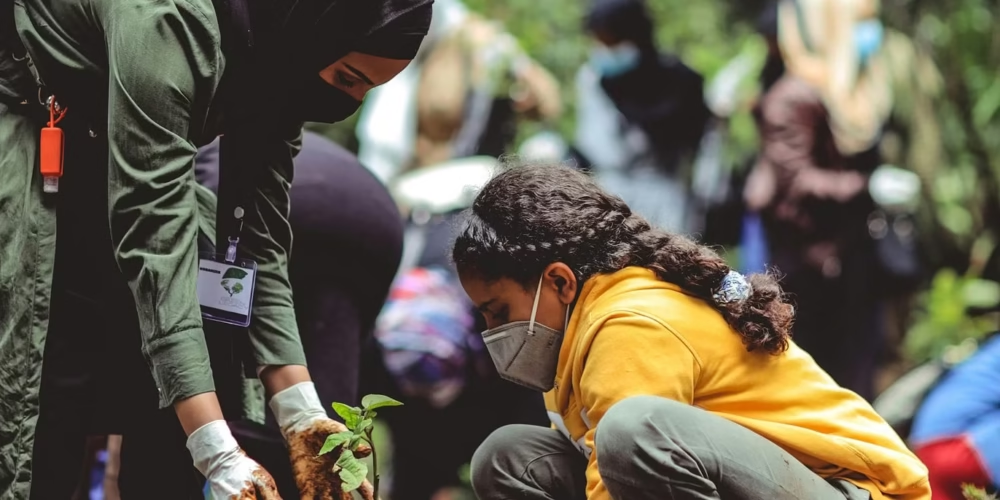
School programs, social media, and eco‑tourism teach why nature matters. A child who plants a tree today may write future policy or lead a conservation NGO tomorrow.

Success Stories That Inspire
- Mountain Gorillas Rebound: Two decades ago, fewer than 700 mountain gorillas remained. Through anti-poaching patrols, veterinary care, and income from tightly controlled trekking permits, the population now tops 1,000.
- Wetland Restoration in Eastern Uganda: Community groups replanted papyrus and banned destructive fishing nets. Birdlife returned, and Eco-tour operators now guide visitors through canoe trails—bringing cash back to the villages.
- Global Bans on Single‑Use Plastics: Countries from Kenya to Rwanda have slashed plastic‑bag pollution, protecting rivers and wildlife while inspiring similar laws worldwide.
Ongoing Challenges
- Climate Change increases droughts, floods, and wildfires, stressing already fragile habitats.
- Illegal Wildlife Trade still targets pangolins, elephants, rhinos, and foreign birds.
- Rapid Urban Growth pushes farms and cities deeper into forests and wetlands.
- Limited Funding hinders rangers, researchers, and community projects.
Addressing these issues needs long‑term vision, cross‑border cooperation, and steady financing.
How You Can Help
- Travel Responsibly – Choose certified eco‑lodges, follow park rules, and offset your carbon footprint.
- Support Trusted NGOs – Donate or volunteer with groups that prove results on the ground.
- Reduce, Reuse, Recycle – Cut single‑use plastics and waste in daily life.
- Speak Up – Share conservation wins and concerns on social media and with local leaders.
- Plant Native Trees – Even a small backyard or schoolyard can support pollinators and absorb CO₂.
Plan Your Part
Protecting nature is not a one‑day task but a lifelong journey. Whether you fund a ranger patrol, visit a national park, or teach a child to respect wildlife, every action counts. Choose one step today, then another tomorrow. Future generations will thank you.