
Understanding Gorilla Behavior
Understanding Gorilla Behavior
Gorilla behavior. Watching a mountain gorilla in its natural habitat is one of the most moving wildlife experiences on Earth. But to fully appreciate the encounter, it helps to understand how gorillas behave — how they move, communicate, and live together in the forest.
Gorillas are intelligent, emotional, and deeply social animals. Learning about their behavior gives visitors a deeper respect for their world and the efforts needed to protect them.
Gorilla Families and Social Life
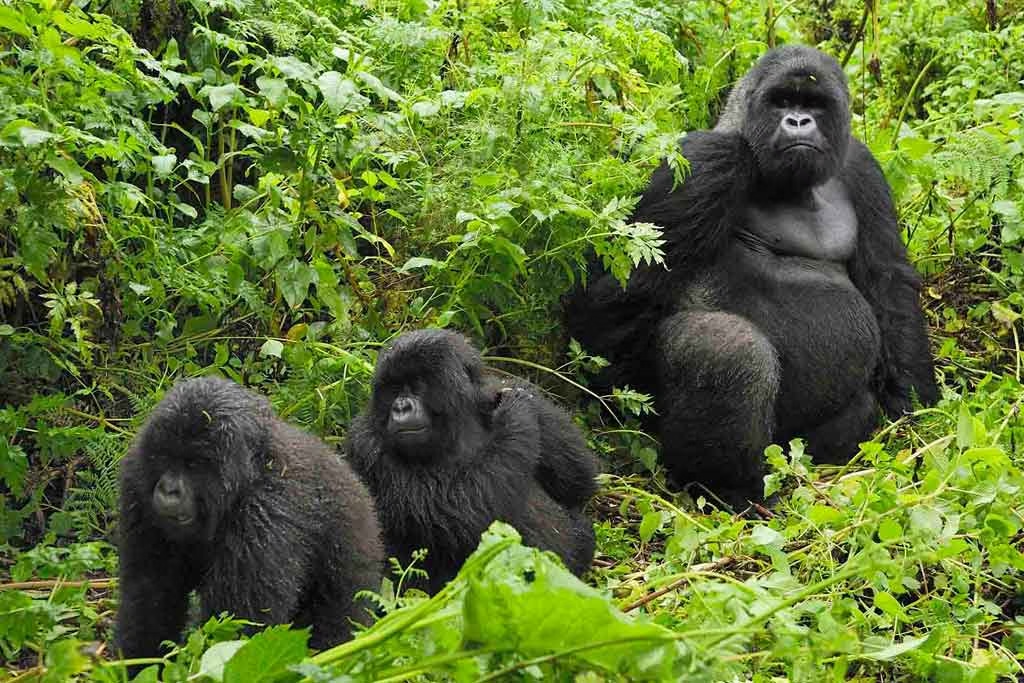
Mountain gorillas live in groups called troops or families. Each group is led by a dominant male, known as the silverback. He gets his name from the silver-colored hair that runs across his back.
The silverback protects the group, makes decisions, and leads them to food and resting places. A troop usually includes several females, juveniles, and infants. Some groups have more than one silverback, but only one is the leader.
Family bonds are strong. Members groom each other, play together, and sleep side by side. Young gorillas stay close to their mothers for the first few years of life.
Communication and Expression
Gorillas don’t roar or howl — but they do communicate in many other ways. They use grunts, hoots, chest beats, gestures, and facial expressions to send messages.
A deep grunt can signal contentment. A loud bark may show alarm. A chest beat, especially from a silverback, is used to display power — but it’s often a warning, not a sign of aggression.
Gorillas are also very expressive. A tight-lipped face shows calmness. A yawn may mean tension. Watching their expressions helps guides and trackers understand how the group feels — and helps keep human interactions respectful.
Feeding Habits
Mountain gorillas are herbivores. They eat leaves, stems, roots, bamboo, wild celery, and occasionally small insects. An adult gorilla can eat up to 30 kilograms (66 pounds) of vegetation a day.
Gorillas spend much of their day feeding and foraging. They often sit, pull leaves toward them, chew slowly, and move quietly to new spots. Their eating pace is relaxed, and they rarely compete for food.
In rainy seasons, they may feed more in dense forest cover. During drier periods, they move further to find fresh shoots.
Daily Routine
A typical gorilla day starts early. They rise with the sun and begin to feed. Mid-morning, they rest, groom, and care for infants. In the afternoon, they feed again and travel if needed.
By evening, gorillas make nests from leaves and branches to sleep. Each night, a new nest is built — even for infants, who share with their mothers.
This structured routine helps reduce stress and conserve energy in the wild.
Infant Play and Learning
Young gorillas are full of energy. They play by tumbling, chasing, climbing, and practicing chest beats. These actions are not just for fun — they help build strength and social skills.
Mothers are very protective. They carry their infants, groom them, and teach them how to eat, climb, and interact. Other females may help care for young ones, especially in close-knit groups.
Play is also a way to explore the world safely. Watching baby gorillas at play is often the most joyful part of a trekking experience.
Behavior Toward Humans
Habituated gorillas — those familiar with human presence — generally ignore visitors during treks. But it’s important to follow the guide’s instructions to avoid disturbing them.
Visitors must stay at least 7 meters away, remain quiet, and avoid sudden movements. Even habituated gorillas are wild and can be unpredictable if threatened.
Occasionally, a gorilla may approach out of curiosity. In such cases, staying calm and avoiding eye contact is advised. Guides are trained to handle these rare moments.
Threat Displays vs Real Aggression
Gorillas rarely attack without cause. When they feel threatened, they may give warning signs like:
- Rising on their legs
- Chest beating
- Grunting loudly
- Throwing grass or branches
These displays are meant to scare, not harm. They usually stop once the threat leaves. Physical aggression is very rare and mostly occurs between rival males over leadership or mating rights.
Plan Your Safari
Understanding gorilla behavior makes your trekking experience richer. You’ll not only see a majestic animal — you’ll witness a complex, emotional world full of love, leadership, and learning. Take time to observe how they interact, move, and live. Each moment in their presence reveals the deep intelligence and beauty of wild gorillas. As you prepare for your safari, remember: the more you understand them, the more they’ll move you.