

Participating in Reforestation Projects in Uganda
Participating in Reforestation Projects in Uganda
Reforestation Uganda. Uganda’s forests are vital to its survival. They protect rivers, regulate rainfall, absorb carbon, and shelter thousands of species. But over the past few decades, Uganda has lost a significant portion of its forest cover due to agriculture, logging, and charcoal burning. Now, reforestation is not just a conservation project — it is a national need.
Travelers to Uganda can go beyond sightseeing. By joining reforestation efforts, they can give back to the land that gives so much. Whether you’re visiting for a gorilla trek, safari, or cultural tour, planting a tree can leave a lasting impact.
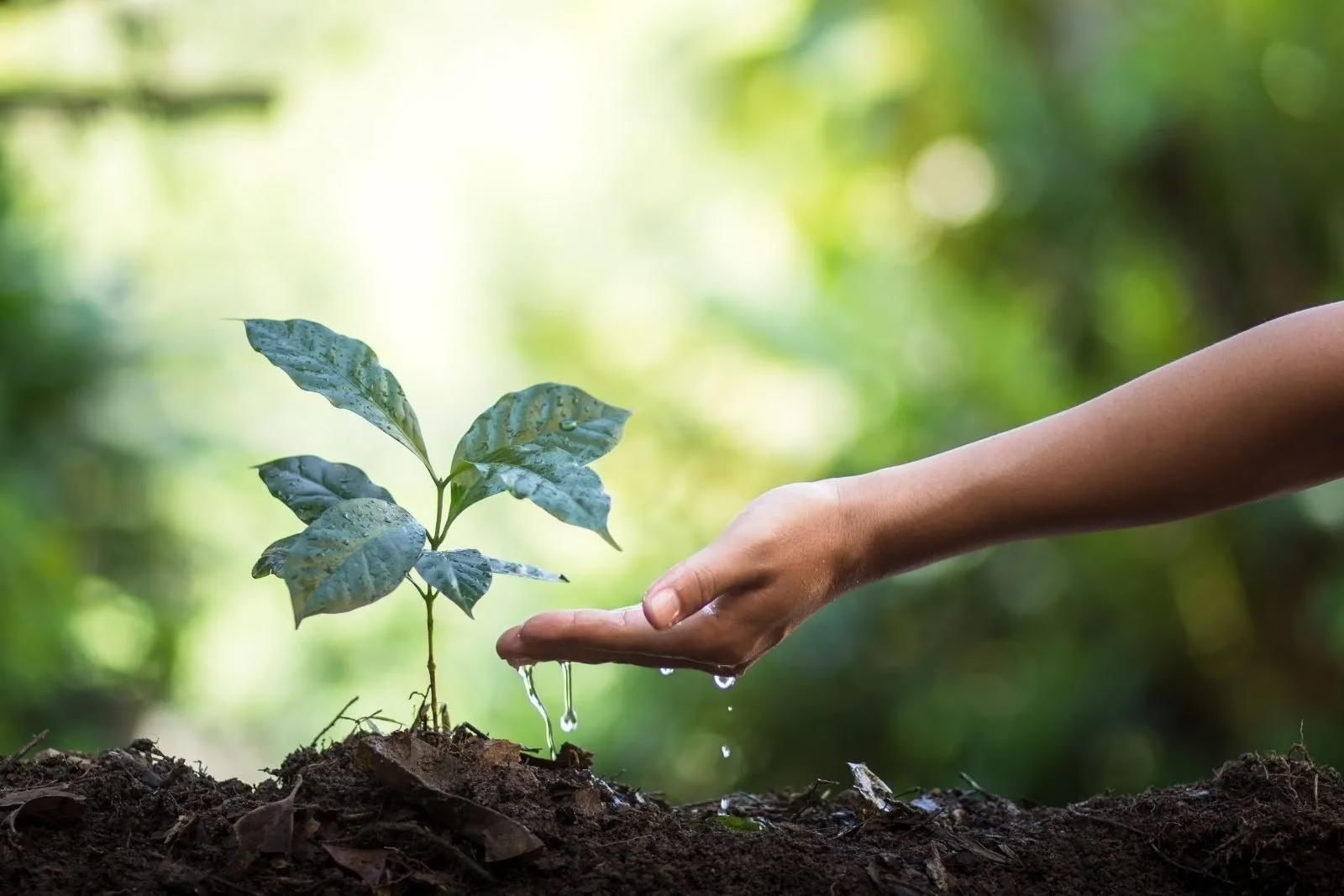
Why Uganda Needs Reforestation
Between 1990 and 2015, Uganda lost over 30% of its forest cover. Forests that once covered a quarter of the country have shrunk to less than 10%. This loss has caused soil erosion, drought, and the decline of wildlife habitats.
Deforestation also threatens tourism. When forests disappear, so do the animals and ecosystems that attract visitors. Local communities, especially those near national parks, feel the impact through crop failure and reduced water supply.
Reforestation is now part of Uganda’s national climate action. The government and environmental groups are working to restore forests and raise awareness. Tourists have a role to play in these efforts.
How Tourists Can Join Reforestation Efforts
Many reforestation projects in Uganda welcome visitors. These experiences allow travelers to plant trees, support nurseries, or help educate communities.
Some of the most accessible and impactful ways include:
- Tree Planting with Local NGOs: Groups like Tree Adoption Uganda, Little Hands Go Green, and Ecotrust host tree planting days where travelers are invited to participate. These activities are often organized near key conservation areas like Mabira Forest, Mount Elgon, or around Lake Victoria.
- Eco-Lodge Reforestation Programs: Several eco-lodges near Bwindi, Kibale, and Queen Elizabeth National Parks run in-house reforestation programs. Guests are encouraged to plant indigenous trees during their stay. Some lodges even let you name your tree and track its growth online.
- Volunteer with Community Forest Projects: If your travel schedule allows for a longer stay, you can volunteer in rural forest communities. Volunteers help manage nurseries, prepare land, and train school groups on conservation practices.
These options not only support nature but also provide a deeper connection with Uganda’s people and culture.
The Right Trees in the Right Places
Reforestation in Uganda focuses on native species. These trees support local wildlife and restore natural systems better than FOREIGN varieties. Species like Prunus africana, Markhamia lutea, and Albizia coriaria are commonly used.
Planting the wrong trees can damage soil, block water flow, or outcompete native plants. That’s why local knowledge is crucial. Tourists should always plant under the guidance of conservationists to ensure the trees thrive.
A Learning Experience for Travelers
Participating in a reforestation project is not just about digging a hole. It’s a chance to learn. Visitors get hands-on education about Uganda’s ecosystems, climate challenges, and community-led solutions.
Guides explain how forests protect endangered species, regulate rainfall, and support pollination. They share stories of how deforestation affects farming, drinking water, and rural life.
This deeper understanding creates responsible tourism. It turns a visit into a meaningful memory that inspires change, long after the trip ends.
Supporting Reforestation Beyond Planting
Even if you don’t have time to plant, you can still contribute. Many projects accept donations or sell eco-products like handmade seed paper, tree adoption certificates, or carbon offset packages. These funds help expand nurseries, hire local caretakers, and monitor planted areas.
Sharing your experience on social media can also help. Tagging reforestation groups or posting about your visit can raise awareness and encourage others to take part.
Building Community Through Trees
In Uganda, reforestation is not just about trees — it’s about people. Most projects work hand-in-hand with local communities. They offer jobs, improve land use, and support education. Trees planted along farms help prevent soil erosion, provide fruit, and protect water sources.
When tourists participate, they show support for these community goals. They become partners in the mission, not just observers. This shared effort strengthens tourism’s role in national development.
Plan Your Safari
Adding a reforestation experience to your Uganda safari creates a trip with purpose. It blends adventure with action. Imagine gorilla trekking in Bwindi, then planting a tree that could one day shelter a chimpanzee or cool a mountain slope.
Speak with your tour operator to include reforestation stops in your itinerary. Choose lodges that support environmental programs. Carry the story of your tree home, and let it grow in your memory — just as it grows in Uganda’s soil.
Every tree planted is a seed of hope. Every visitor who plants one becomes part of Uganda’s green future.