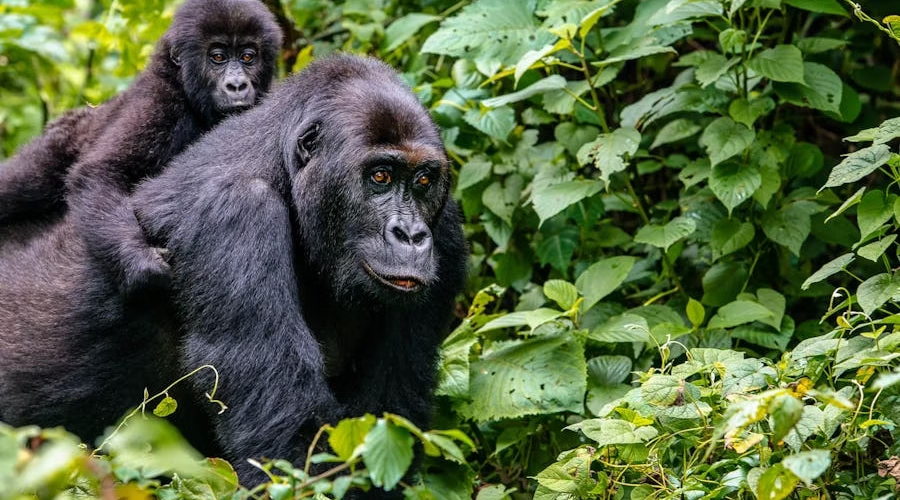

Gorilla Trekking vs. Gorilla Tracking
Gorilla Trekking vs. Gorilla Tracking: What’s the Difference?
“Gorilla trekking” vs. “gorilla tracking.” For many travelers planning a safari in Uganda, Rwanda, or the Democratic Republic of Congo (DRC), the dream of seeing mountain gorillas up close is unforgettable. But when researching, one question often comes up:
“What’s the difference between gorilla trekking and gorilla tracking?”
Though the terms are sometimes used interchangeably, especially in marketing, they actually refer to two different experiences. Understanding the difference helps you choose the right gorilla adventure for your travel goals, fitness level, and budget.
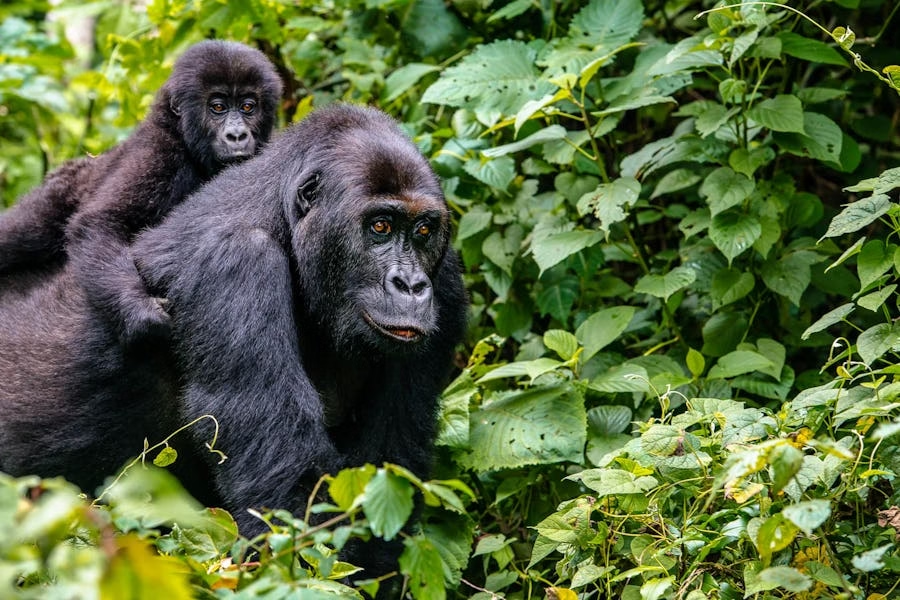
What is Gorilla Trekking?
Gorilla trekking is the more common term used in tourism. It refers to the guided hike that tourists undertake to find and observe a habituated gorilla family in their natural forest habitat.
The trek takes place in protected areas such as:
- Bwindi Impenetrable National Park (Uganda)
- Volcanoes National Park (Rwanda)
- Virunga National Park (DRC)
- Mgahinga Gorilla National Park (Uganda)
Treks begin early in the morning and are led by professional guides and armed rangers. You may hike for 30 minutes to 6 hours, depending on where the gorillas nested the previous night.
Once found, you’re allowed one hour to observe the gorillas from a safe distance of 7–10 meters. This is perfect for photography, learning about their behavior, and creating unforgettable memories.
What is Gorilla Tracking?
Gorilla tracking is the process of locating gorillas by following their fresh trails, dung, footprints, and nests. It’s the job of rangers and trackers who head into the forest before tourists arrive, to pinpoint the location of the gorilla group.
In some cases, tourists may participate in gorilla tracking when involved in a habituation experience. This gives you more time with the gorillas but requires a higher fitness level, as it often includes following semi-habituated groups over longer distances.
Main Differences Between Gorilla Trekking and Gorilla Tracking
| Feature | Gorilla Trekking | Gorilla Tracking |
| Definition | Guided hike by tourists to visit gorilla groups | Process of locating gorillas by rangers/scouts |
| Who Participates | Tourists, guides, and rangers | Primarily rangers and researchers |
| Experience Duration | 1–6 hours hike + 1 hour with gorillas | Often longer, especially during habituation |
| Tourist Involvement | High – core tourist activity | Low – mostly behind-the-scenes |
| Permits Required | Gorilla trekking permit | Gorilla habituation permit (if public) |
| Time with Gorillas | 1 hour | Up to 4 hours (if part of habituation experience) |
| Countries Offered | Rwanda, Uganda, DRC | Mostly Uganda (for public habituation) |
The Gorilla Habituation Experience (Uganda Only)
Uganda offers a unique version of gorilla tracking known as the Gorilla Habituation Experience. This is different from regular trekking.
You join researchers and rangers as they track, observe, and study a semi-habituated gorilla family. The experience lasts up to 4 hours and allows you to see how wild gorillas gradually become comfortable around humans.
- Cost: $1,500 (compared to $800 for regular trekking)
- Location: Rushaga sector, Bwindi Impenetrable Forest
- Availability: Limited to 4 tourists per day
This experience is ideal for travelers who want deeper immersion and a behind-the-scenes view of conservation efforts.
Which Experience Should You Choose?
- Choose gorilla trekking if you want the standard 1-hour experience and don’t mind hiking through tough terrain. It’s the most popular and accessible.
- Choose gorilla tracking (habituation experience) if you want a longer encounter and a more in-depth conservation experience, and you’re physically prepared for a longer day in the forest.
Both experiences offer life-changing encounters with one of the planet’s rarest and most intelligent animals.
Gorilla Trekking and Tracking Permit Costs (2025)
| Country | Trekking Permit | Habituation Experience |
| Uganda | $800 | $1,500 |
| Rwanda | $1,500 | Not offered |
| DRC | $400–$500 | Not offered |
Prices may change. Always confirm with the national park or licensed operator.
Plan Your Tour
Whether you choose gorilla trekking or gorilla tracking, your journey supports conservation and helps local communities. Both options offer unforgettable opportunities to see one of the world’s most endangered and intelligent primates up close.
If you are short on time and prefer a guided, structured hike, go for gorilla trekking. If you want a more immersive experience with researchers and can handle a longer, more rugged trail, consider the habituation experience.
Whichever you choose, prepare for misty forests, thumping chests, gentle eyes, and the wild beauty of Africa’s mountain gorillas. Book your permits early, train your legs for the forest hills, and bring your camera—it will be a moment you’ll never forget.