
Over 40 Elephants Return to Historic Habitat in Major SANParks Conservation Move
Over 40 Elephants Return to Historic Habitat in Major SANParks Conservation Move
In a groundbreaking conservation milestone, more than 40 elephants have returned to a historic range in South Africa. This marks one of SANParks’ largest elephant translocations in recent years and signals hope for habitat restoration and species recovery in areas long quiet of these giants.
The move underscores the country’s commitment to reversing ecological losses and restoring natural balance in once-depleted ecosystems.
Restoring an Ancient Path
The elephants were relocated from overpopulated reserves in Limpopo to a park where they once roamed freely decades ago. Though SANParks has not officially disclosed the exact location yet, sources close to the operation confirm that the herd was moved to a re-wilding zone within the Greater Kruger or Eastern Cape corridor.
This area was once part of their natural range before habitat loss and human conflict pushed elephants out. Reintroducing them restores an ancient ecological rhythm, reconnecting landscapes that have waited decades for their return.
A Complex, Carefully Managed Move
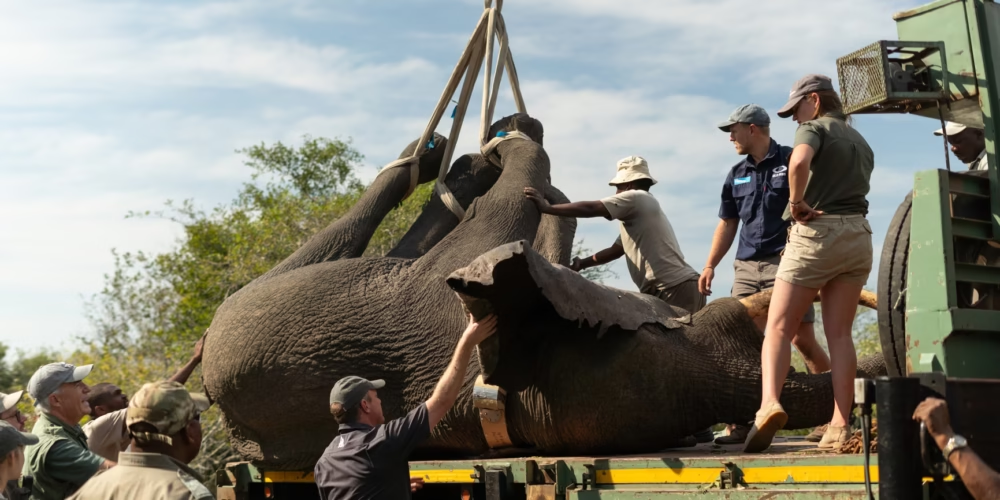
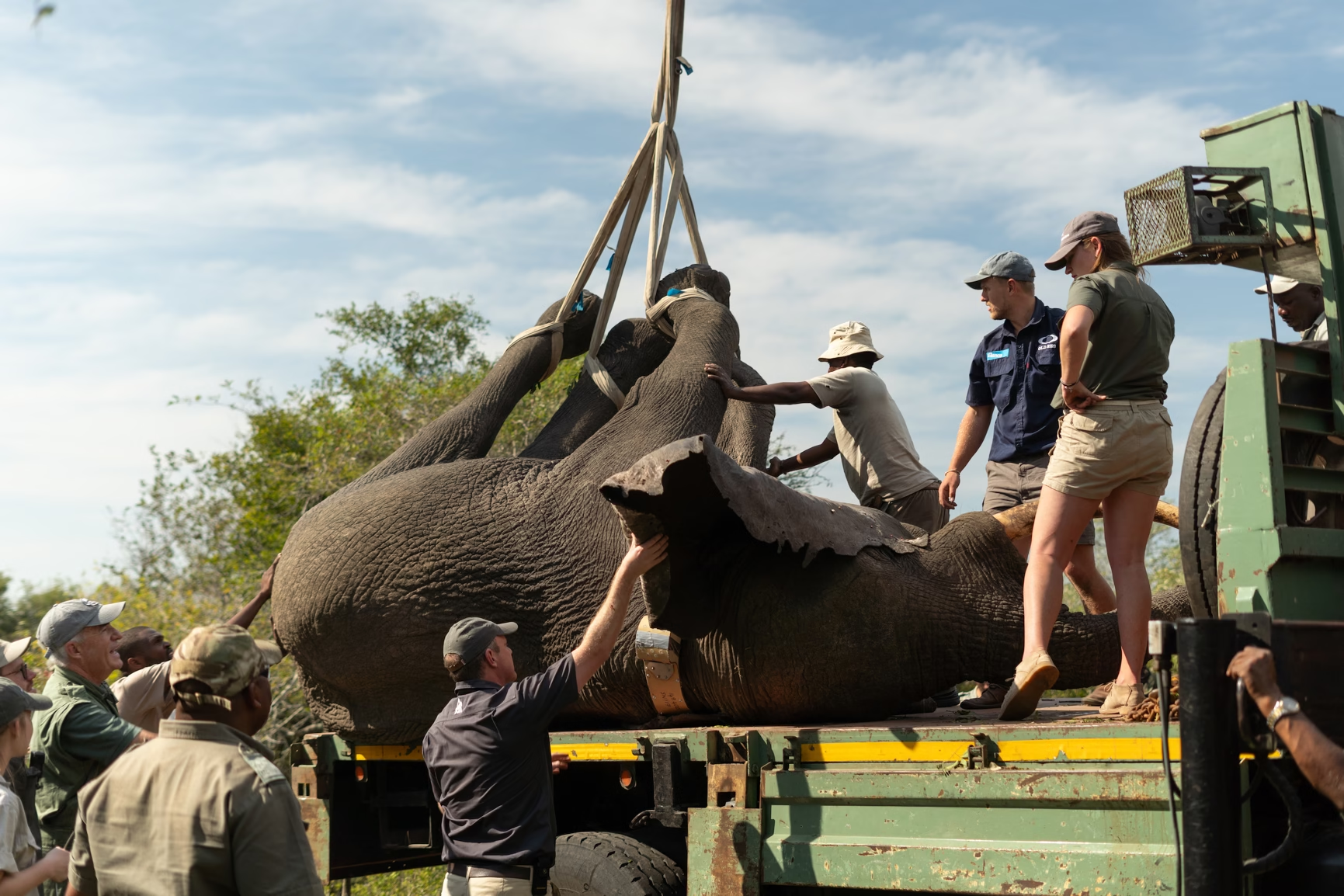
Relocating elephants is not easy. The operation involved wildlife veterinarians, SANParks ecologists, helicopter pilots, and ground teams. Each elephant was safely darted, monitored, and transported in specialized crates to minimize stress and injury.
Animal welfare took top priority. The entire move spanned several days and followed strict IUCN conservation translocation guidelines.
The group includes breeding females, calves, and younger bulls—a deliberately chosen mix to help the herd thrive in their new environment. The park now serves as both a refuge and research zone to monitor elephant behavior in rewilded areas.
Why This Move Matters
- Balancing Ecosystems
Elephants are ecosystem engineers. They shape forests, open grasslands, and disperse seeds. Their absence alters landscapes, while their return can help revive biodiversity. - Easing Pressure Elsewhere
Some parks, like Kruger and Addo, face elephant overpopulation. Relocating herds eases pressure on those ecosystems and gives underused habitats a new chance. - Strengthening Genetic Diversity
Rewilding elephants in different areas increases the genetic pool across southern Africa. This is crucial for long-term species survival. - Inspiring Future Conservation
The operation shows that large-scale rewilding is still possible in Africa. It sets a precedent for other regions looking to restore balance.
Community Involvement and Protection
SANParks worked closely with local communities and conservation partners. Education, fencing, and anti-poaching strategies were all part of the plan. Communities near the park were informed and involved early, helping reduce human-wildlife conflict.
With tourism potential growing, locals are expected to benefit from jobs, lodge partnerships, and elephant-based ecotourism.
The Way Forward
Wildlife experts will track the herd using GPS collars. Researchers will study how the elephants adapt to the landscape, find water sources, interact with vegetation, and form new trails. If successful, this initiative could expand to other parks in need of natural herbivore balance.
Already, camera traps and ranger patrols have captured the herd feeding, socializing, and exploring new paths—behaviors that signal comfort and safety.
A Symbol of Hope and Restoration
This elephant reintroduction is more than a conservation win—it’s a symbol of healing. It shows what’s possible when governments, scientists, and communities work together.
South Africa’s wild places still have room to grow, recover, and breathe.
And the elephants have returned to lead the way.