
How to Manage Medications While Traveling.
How to Manage Medications While Traveling Stay Healthy on the Go
Travel brings excitement, but it also requires good planning—especially when you take regular medication. Whether you’re heading for a safari in Uganda, climbing Kilimanjaro, or flying across continents, keeping your medicines safe and accessible is vital.
Talk to Your Doctor First
Before you travel, visit your doctor. Discuss your destination, climate, and travel length. Ask how your medication might respond to altitude, heat, or time zone changes. Get enough medicine for your full trip, and request a signed prescription.
If you have chronic conditions—like diabetes, high blood pressure, or asthma—get written instructions on what to do in case of a health issue abroad.
Carry a Copy of Your Prescription
Always carry a paper copy of your prescription and keep a digital one on your phone or email. Include:
- Generic names of each medicine
- Dosage instructions
- Your doctor’s contact information
This helps if you lose your medication or need a refill while traveling.
Pack Smart
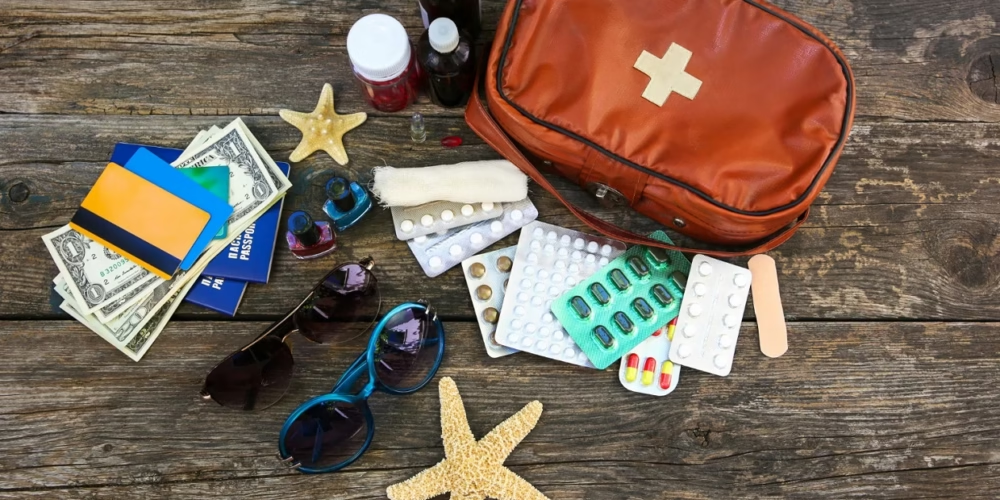
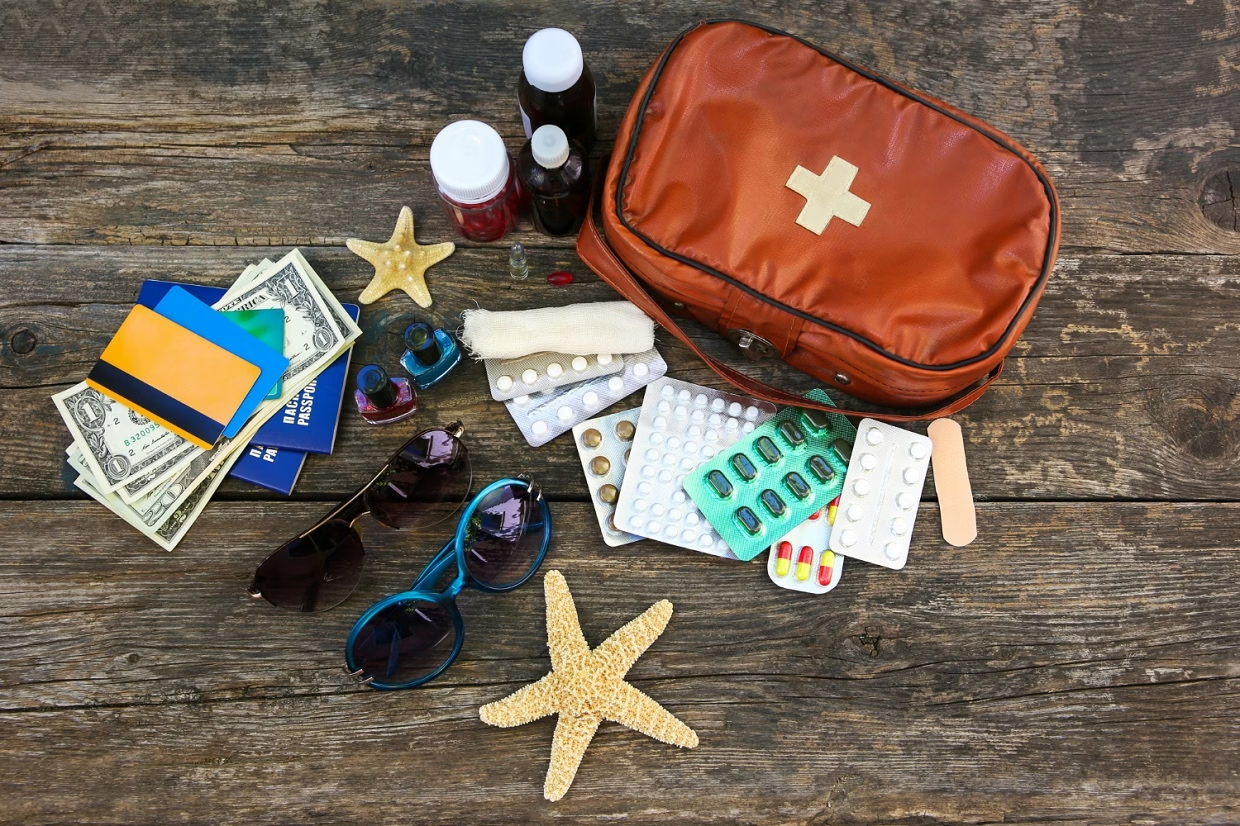
Put your medications in your carry-on bag, not in checked luggage. Delays or lost bags could leave you stranded without what you need.
Use pill organizers or travel pouches to stay organized. For liquid medications, make sure each container is 100 ml or less to meet airport security rules.
Keep the original labels on all medicines. Some countries may ask for proof that the medicine is yours. This is especially true for controlled substances like strong painkillers or sleep aids.
Know the Rules of Your Destination
Some countries restrict certain medications—even those available over the counter in your home country. Check the official websites of the country you’re visiting. Look for lists of prohibited or controlled drugs. If unsure, contact the embassy or travel clinic before departure.
Examples of medications that may raise issues include:
- Codeine-based painkillers
- Strong sedatives or stimulants
- Medical cannabis or CBD products
Always travel with documentation, especially for injectable drugs or controlled substances.
Time Zones and Dosage
When crossing time zones, adjust your medication schedule gradually. For short trips, keep your home schedule. For longer ones, slowly shift your timing to match the local zone. Use smartphone reminders or apps to stay consistent.
If you’re on medication that must be taken at exact times—like insulin or antimalarials—get a clear plan from your doctor.
Store Medications Safely
Some medicines need cool storage. Carry a small insulated pouch with ice packs if needed. Never expose medicine to direct sunlight or heat—especially in safari vehicles or remote lodges.
Check expiry dates and keep emergency contacts with your medication kit.
In Case of Emergency
Learn how to explain your condition in the local language. Carry a medical ID bracelet if you have allergies, diabetes, or heart issues. Some travel apps let you store this information on your phone.
If you lose your meds or need urgent care, visit a local clinic or pharmacy and show your prescription. Many East African towns near national parks have basic medical facilities, but do not rely on them for specialized treatment.
Plan Ahead, Travel with Confidence
Managing medications while traveling takes preparation, but it’s worth it. You stay safe, avoid emergencies, and enjoy your journey without worry. Start early, ask questions, and carry everything you need.