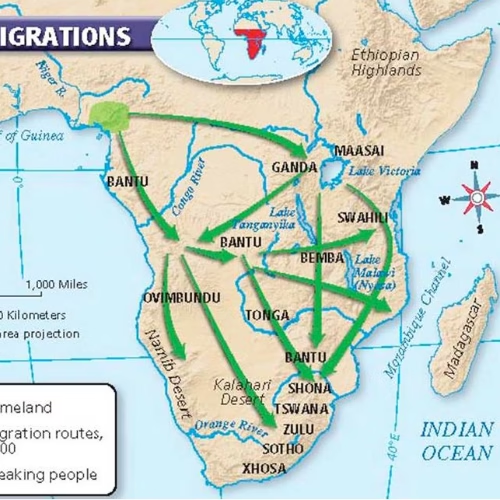

The Bantu Migration
The Bantu Migration—African History Lesson
The Bantu Migration changed the story of Africa. It was one of the biggest human movements on the continent. Bantu-speaking people left their homeland in West-Central Africa and moved to the east and south. They brought farming, language, ironworking, and new ways of life. This movement shaped many parts of modern Africa and lasted for over 3,000 years.
Who Were the Bantu?
The Bantu were groups of people who spoke related languages. They came from the region that is now Nigeria and Cameroon. They were mostly farmers and herders. As they moved, they kept their language roots but developed many new cultures. Today, people speak Bantu languages in more than 20 African countries. These languages include Swahili, Luganda, Zulu, Kinyarwanda, and Shona.
When Did the Migration Begin?
The Bantu Migration began around 3000 BCE. It happened in slow steps over thousands of years. Small groups moved south and east, following rivers and fertile lands. Some went toward the Great Lakes region. Others moved down through Central Africa to reach Angola, Zambia, Mozambique, and South Africa.
Why Did the Bantu Migrate?
Many reasons pushed the Bantu people to move. Each played a part in this long journey.
1. Population Growth
Their population increased quickly. The land around them could not support everyone. Families needed new areas to farm and raise animals.
2. Search for Fertile Land
Farming was their main way of life. As soil lost nutrients, they looked for better land. They followed rivers and rainfall patterns to find rich, green areas.
3. Climate Change
Some areas became dry and hard to live in. Less rain meant poor harvests and water shortages. People moved to places with better climates.
4. Conflict with Other Groups
Clashes with neighbors over land or resources forced some Bantu groups to leave. They searched for peaceful and safe areas to settle.
5. Ironworking Technology
They used iron tools to cut trees, clear land, and build homes. This technology gave them an advantage. It helped them survive and grow in new places.
6. Desire for Trade and Resources
The Bantu wanted new goods, such as salt and metals. They also looked for trade partners. As they moved, they built trade links with local groups.
What Did They Bring With Them?
The Bantu carried their culture as they moved. They brought farming knowledge, iron tools, and animals, planted yams, bananas, millet, and sorghum. They raised cattle, goats, and chickens. Their iron tools helped them grow more food and build better homes. They also brought music, dance, oral stories, and new languages. These traditions became part of life in many African regions.
How Did the Migration Shape Africa?
The Bantu met other people along the way. They shared ideas and mixed cultures. New customs, languages, and identities formed. Their iron tools and farming methods spread across Sub-Saharan Africa. They set up clans, chiefdoms, and village governments. Some groups welcomed them. Others fought with them. These changes shaped who lived where and how people organized their societies.
What Is the Bantu Legacy Today?
Bantu influence still lives across Africa. Many people speak Bantu languages every day. Traditional dances, farming, music, and storytelling have Bantu roots. The Swahili culture along the East African coast grew from Bantu and Arab mixing. Their migration helped form the base of modern countries in East, Central, and Southern Africa. Their legacy continues in schools, villages, markets, and songs.
Plan Your Tour
You can explore the places touched by the Bantu Migration. Visit cultural centers, museums, and traditional villages. In countries like Rwanda, Uganda, Tanzania, and Kenya, you’ll see living history. Watch blacksmiths at work. Join a storytelling evening. Listen to music passed down for centuries. These journeys help you connect with Africa’s deep past and proud heritage.
Plan your safari and follow the footsteps of Africa’s ancient pioneers.