
The Major Tribes in Rwanda
The Major Groups in Rwanda—Discover Rwandan Native Culture
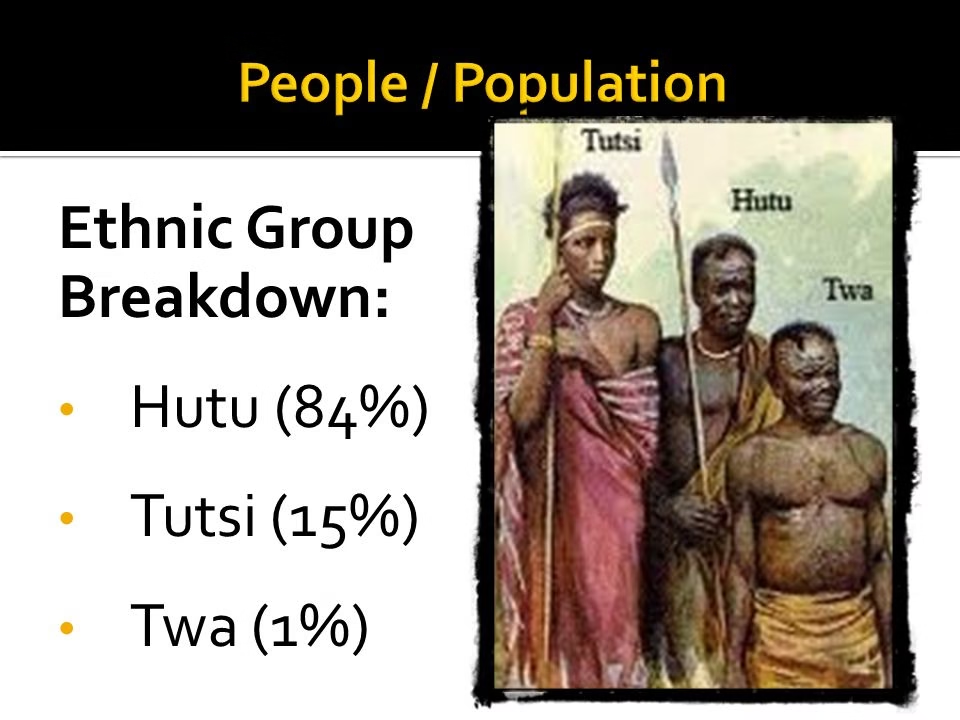
Rwanda tribes. Rwanda, the “Land of a Thousand Hills,” is a country rich in culture, tradition, and unity. While its modern national identity emphasizes togetherness, the people of Rwanda trace their roots to three major ethnic groups that have shaped the country’s history and cultural heritage: the Hutu, Tutsi, and Twa. Understanding these groups offers an important window into Rwandan life, values, and history.
A Brief Historical Context
Rwanda’s indigenous population settled in the region more than a thousand years ago. Over time, different groups emerged with distinct livelihoods, customs, and physical traits. People originally used the terms Hutu, Tutsi, and Twa to describe socio-economic roles, but colonial rulers later gave these labels ethnic and political meaning. Today, the government encourages Rwandans to embrace a shared national identity, though these groups still play a role in the country’s cultural story.
The Hutu—The Agricultural Majority
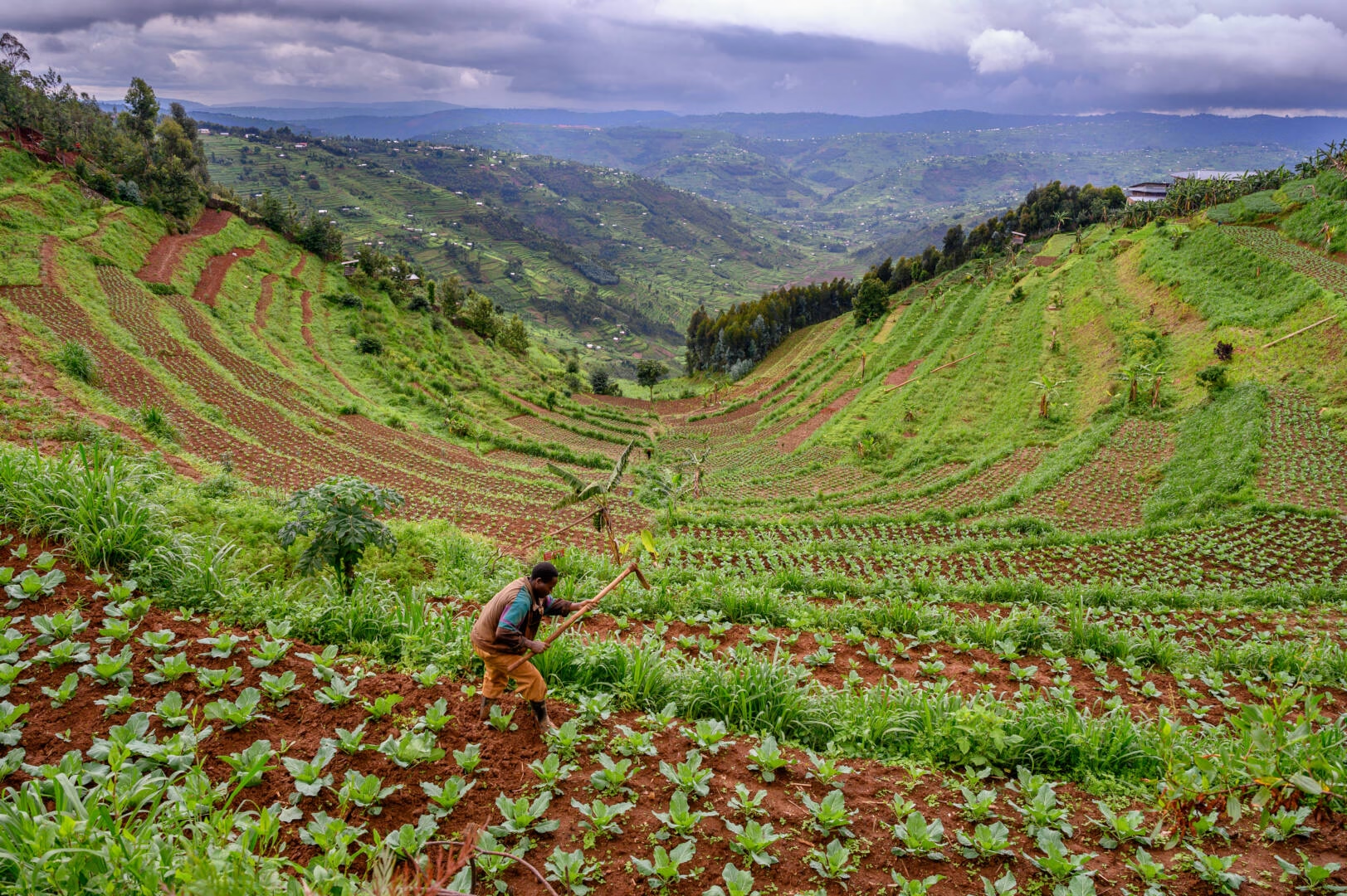
The Hutu make up the majority of Rwanda’s population. Traditionally, they were subsistence farmers, cultivating crops like beans, maize, sorghum, and bananas. Agriculture remains a cornerstone of rural life for many Hutu communities today.
Cultural traits among the Hutu include storytelling, dance, and a strong sense of community. Ceremonies involving song and dance mark life milestones such as births, marriages, and harvests. Their traditional dress often features ibitenge—vibrant, patterned fabrics worn during celebrations.
The Tutsi—The Pastoralist Minority
The Tutsi have historically been associated with cattle herding and held positions of influence in Rwanda’s pre-colonial kingdom. Tutsis were considered a noble class and played a central role in the monarchy and leadership of traditional Rwanda.
Today, many Tutsis continue to value cattle as symbols of wealth and honor. The “Inyambo” (royal cows with long horns) are particularly revered and still featured in national ceremonies.
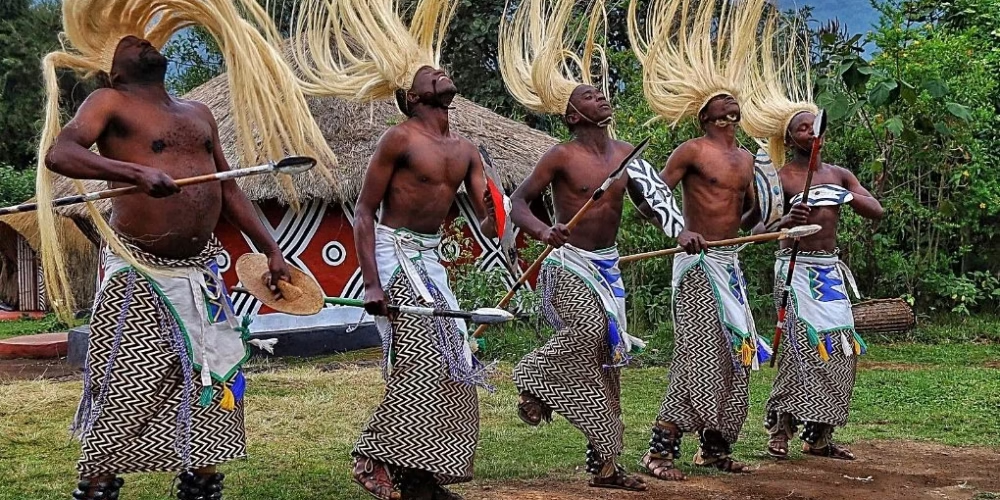
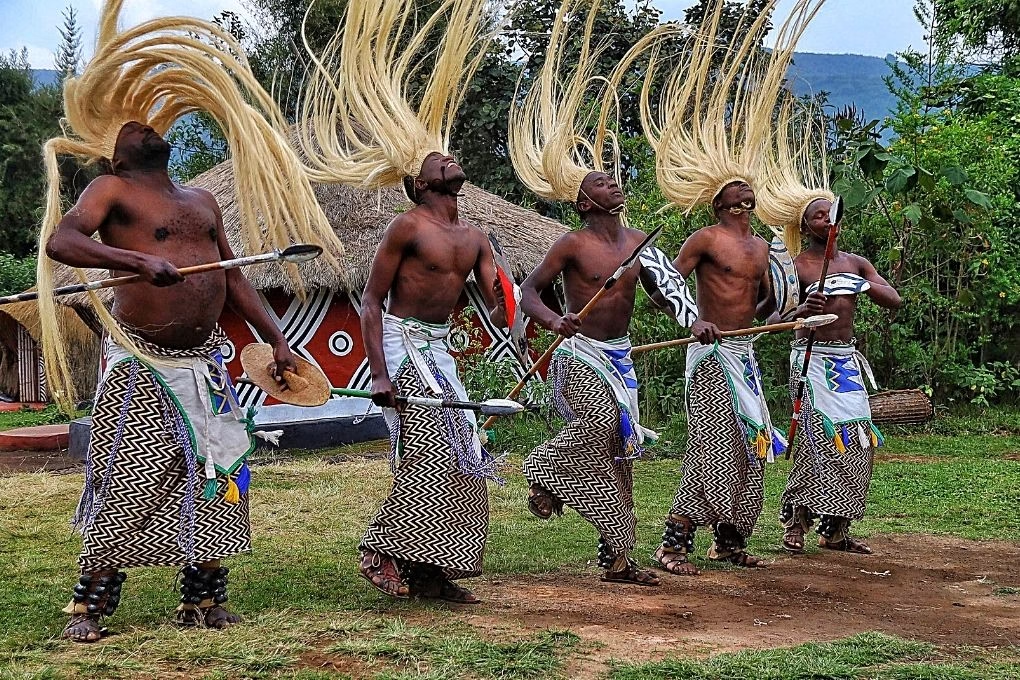
Tutsi culture emphasizes elegance, oral poetry, and the intore dance, characterized by upright posture and spear-like movements, originally performed by warriors.
The Twa—The Indigenous Forest Dwellers
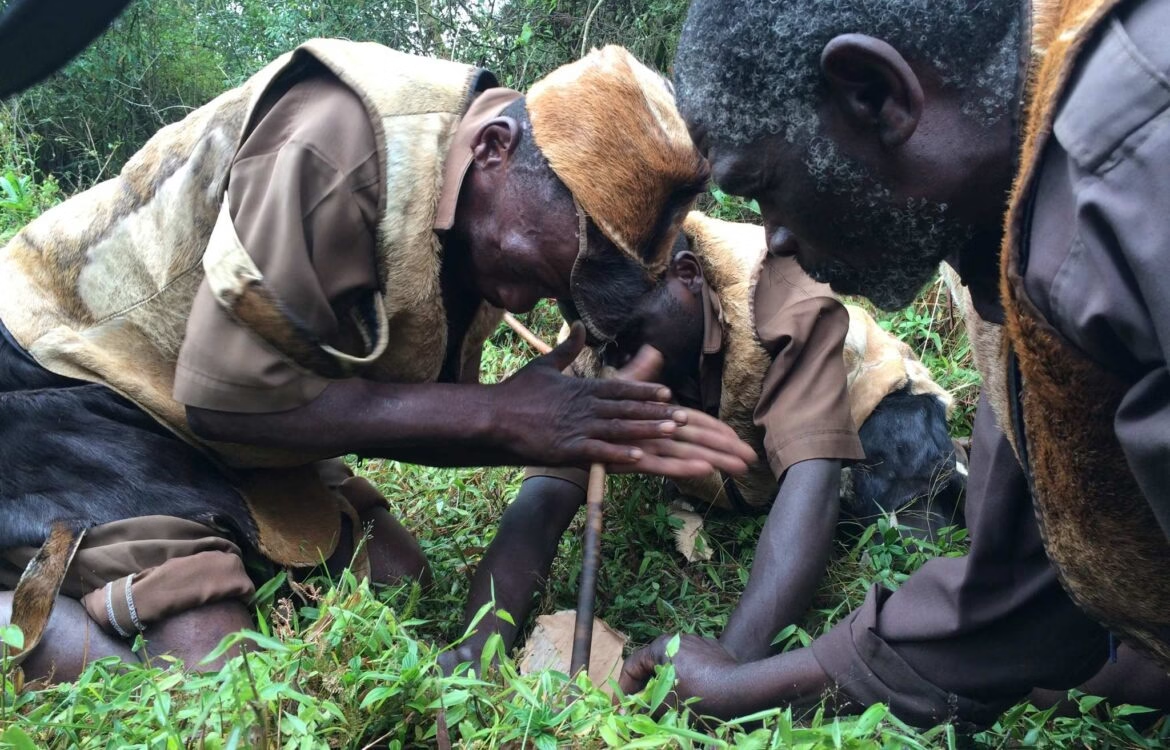
The Twa are Rwanda’s smallest ethnic group and are believed to be the country’s earliest inhabitants. Traditionally hunter-gatherers, the Twa lived in the forests and maintained a semi-nomadic lifestyle.
Known for their pottery and traditional drumming, the Twa have contributed greatly to Rwandan artistic heritage. Despite being a marginalized group historically, efforts have been made in recent years to integrate and uplift the Twa communities through education and cultural preservation.
Unity in Diversity – Post-Genocide Cultural Healing
After the 1994 Genocide against the Tutsi, Rwanda underwent a profound national transformation. The country’s leadership committed to rebuilding through a message of reconciliation, unity, and shared identity. Today, Rwandans do not officially identify by ethnic group, and the emphasis is placed on collective progress.
Cultural festivals, national holidays, and traditional arts now serve as platforms for shared pride and heritage. Institutions like the Institute of National Museums of Rwanda and community initiatives play a vital role in preserving and celebrating the country’s diverse roots.
Preserving and Celebrating Rwandan Culture Today
Whether you’re attending a traditional wedding ceremony, listening to folk tales around a fire, or watching the mesmerizing Intore dance during a festival, the essence of Rwanda’s native culture is alive and thriving.
Many cultural villages and museums—such as the Iby’Iwacu Cultural Village near Volcanoes National Park—offer immersive experiences where visitors can learn about traditional crafts, dress, and community life from all backgrounds.
Plan Your Tour
The story of Rwanda’s groups is one of heritage, hardship, and healing. While the country today stands unified as one people, understanding the traditional roots of the Hutu, Tutsi, and Twa adds a deeper layer of appreciation for Rwanda’s vibrant culture. Every drumbeat, every dance step, and every shared proverb tells the tale of resilience and pride.
Plan your safari and dive into the heart of Rwandan tradition.