
9 Things Nobody Tells You About Traveling in Tanzania
9 Things Nobody Tells You About Traveling in Tanzania
Tanzania is one of Africa’s most breathtaking destinations—home to the Serengeti, Mount Kilimanjaro, Zanzibar, and the Ngorongoro Crater. But while glossy brochures highlight game drives and beach sunsets, there are a few things that often go unsaid. If you’re planning a trip to this East African gem, here are 9 things nobody tells you about traveling in Tanzania.
-
Distances Are Long and Roads Can Be Rough
While parks like Tarangire, Serengeti, and Ngorongoro look close on a map, the driving distances between them are often long and bumpy. Some roads are unpaved and dusty, especially during the dry season. You’ll spend many hours in a 4×4—but the changing scenery and wildlife sightings make it worthwhile.
Tip: Bring a neck pillow, motion sickness medication, and enjoy the ride as part of the adventure.
-
Mobile Network is Surprisingly Good (But Data Is Expensive)
Even in remote safari areas, you may find yourself getting better reception than expected. Local providers like Vodacom and Airtel offer coverage in most towns and even some national parks. That said, mobile data is costly, and many remote lodges have limited or no Wi-Fi.
Tip: Buy a local SIM card with a data plan at the airport or in Arusha if you need regular access.
-
Cash is King in Most Places
Credit cards are accepted at some upscale lodges and hotels, but cash is essential for local purchases, tipping, market visits, and smaller accommodations. USD is widely accepted, especially crisp bills printed after 2009.
Tip: Bring both Tanzanian shillings and USD. Withdraw shillings from ATMs in major towns like Arusha, Moshi, or Dar es Salaam.
-
Safari Days Start Early—Really Early
Game drives often begin around 6:00 a.m., when wildlife is most active. That means early wake-up calls, quick breakfasts, and heading out just as the sun rises. Midday is for resting, with more game drives in the late afternoon.
Tip: Get used to an early-to-bed, early-to-rise rhythm. Bring layers for cold mornings and a hat for hot afternoons.
-
You will See More Than Just Wildlife
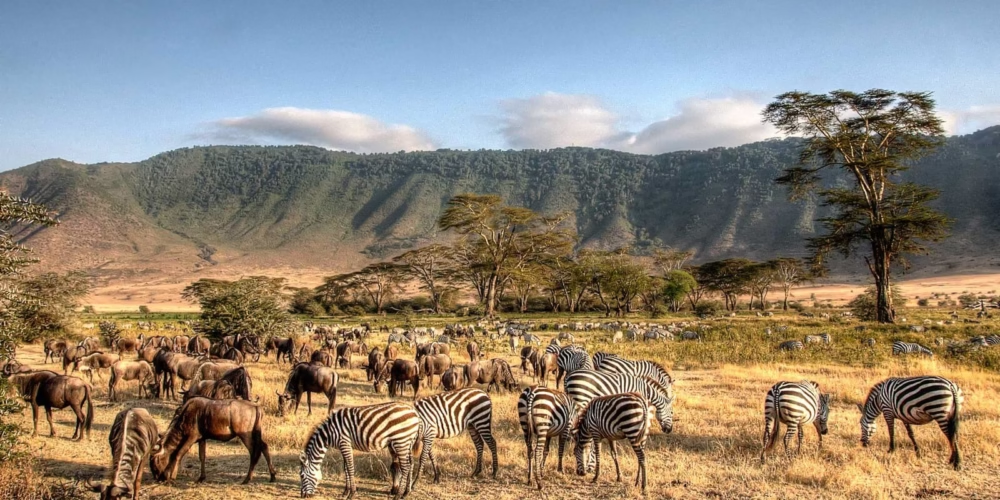
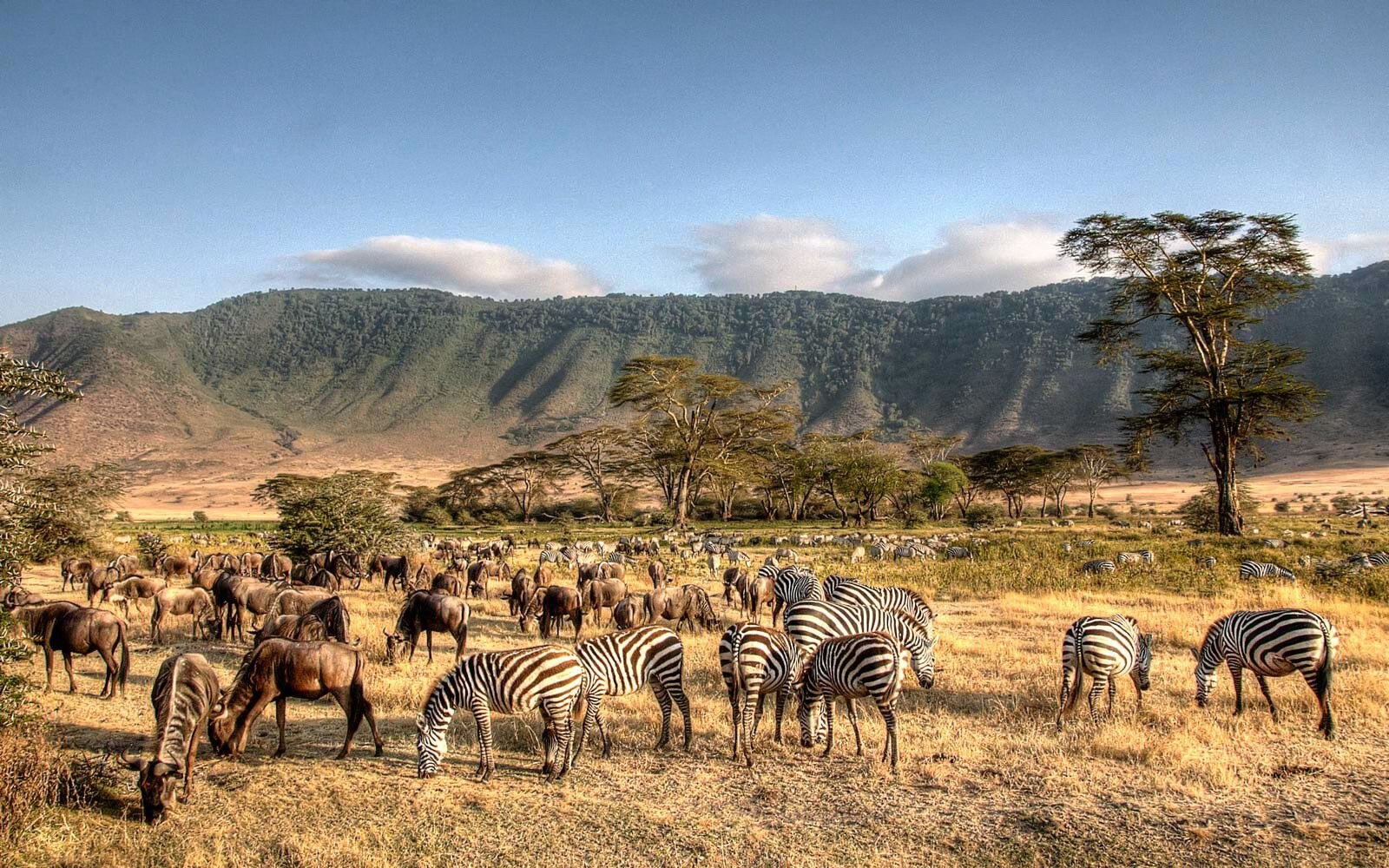
Tanzania’s parks are full of animals, but the landscapes are equally awe-inspiring—rolling savannas, crater lakes, and acacia forests. You’ll also pass Maasai villages, banana farms, and bustling roadside towns. It’s a visual and cultural journey, not just a wildlife tour.
Tip: Talk to your guide about the regions and people you pass. The human stories are as powerful as the wildlife.
-
You Need More Time Than You Think
Tanzania isn’t a country to rush. Whether it’s exploring multiple parks, relaxing on Zanzibar’s beaches, or acclimating for a Kilimanjaro climb, you’ll want at least 10 days. Many regret trying to squeeze too much into too little time.
Tip: If possible, choose quality over quantity. Fewer locations with more time allow for a deeper experience.
-
You Might Not See the Big Five in One Trip
Tanzania is a Big Five country (lion, leopard, rhino, elephant, buffalo), but black rhinos are rare, especially in the Serengeti. Ngorongoro Crater offers the best chance, but sightings aren’t guaranteed.
Tip: Enjoy the diversity of wildlife, not just a checklist. You may spot cheetahs, giraffes, hyenas, or wild dogs—equally unforgettable!
-
Cultural Etiquette Matters
Tanzanians are warm, respectful, and welcoming. Greetings are important, and modest dress is appreciated, especially in towns or Muslim regions like Zanzibar. Taking photos of people without permission is frowned upon.
Tip: Learn basic Swahili phrases like “Jambo” (hello) and “Asante” (thank you). A little effort goes a long way.
-
It’s Safer Than Most People Think
Tanzania is politically stable and relatively safe for travelers. Most visits are incident-free, especially when you travel with a reputable operator. That said, normal precautions apply—don’t flash valuables or walk alone at night in cities.
Tip: Always follow your guide’s instructions and use your lodge’s safety measures when in wildlife areas.
Final Thoughts
Tanzania offers one of the most rewarding travel experiences in Africa. It’s wild, beautiful, diverse, and unforgettable—but like any true adventure, it comes with surprises. Knowing what to expect will help you prepare better and travel smarter.
Plan your tour with us and experience Tanzania like never before.