
The History of Safari in Africa.
The History of Safari in Africa.
History of safari in Africa. A safari is one of the most iconic African travel experiences, drawing adventurers from across the world to witness the continent’s remarkable wildlife. But the concept of safari has a rich, complex history—far beyond modern game drives. It stretches from indigenous journeys and colonial hunting to today’s conservation-based tourism. This post traces the evolution of safari in Africa, revealing how a once-exclusive pursuit became a powerful tool for wildlife protection and cultural exchange.
The Meaning and Origin of “Safari”
The word “safari” originates from the Swahili language and simply means “journey.” It was derived from the Arabic word “safar”, also meaning travel. In its earliest use, safari did not refer to wildlife expeditions. Instead, it described long trade journeys across East Africa, where caravans transported ivory, gold, spices, and other goods.
These early safaris were arduous and slow, often taking months. Travelers moved with large groups of porters and pack animals, crossing deserts, forests, and savannas to connect coastal towns with the interior.
Traditional African Expeditions Before Colonization
Long before European involvement, African kingdoms and communities made extended overland journeys for trade, migration, or hunting. Hunters from groups such as the San of Southern Africa or the Hadza of Tanzania tracked wildlife using deep knowledge of ecosystems passed down through generations.
While not labeled “safaris” at the time, these journeys laid the groundwork for what would later become structured wildlife expeditions. The emphasis was on survival, respect for nature, and practical use of wildlife.
The Colonial Era: The Birth of the Big Game Safari
By the 1800s, European explorers, settlers, and aristocrats began arriving in Africa. These colonial visitors romanticized the African wilderness, often seeing it as a place for conquest and adventure. The term “safari” became closely associated with big game hunting.
Early colonial safaris were elaborate expeditions with hundreds of porters, tents, cooks, and supplies. Wealthy travelers like Theodore Roosevelt, Frederick Selous, and Ernest Hemingway popularized the idea of going on safari to hunt lions, elephants, rhinos, and other “Big Five” animals.
These safaris often lasted weeks or months and were considered status symbols. African guides and porters played critical roles, though they received little recognition at the time. The era contributed to significant wildlife loss due to unregulated trophy hunting.
The Shift to Photography and Conservation
In the mid-20th century, attitudes toward wildlife began to change. As many African countries gained independence, and wildlife populations declined, big game hunting came under scrutiny. Safari began transitioning from trophy hunting to photographic tourism.
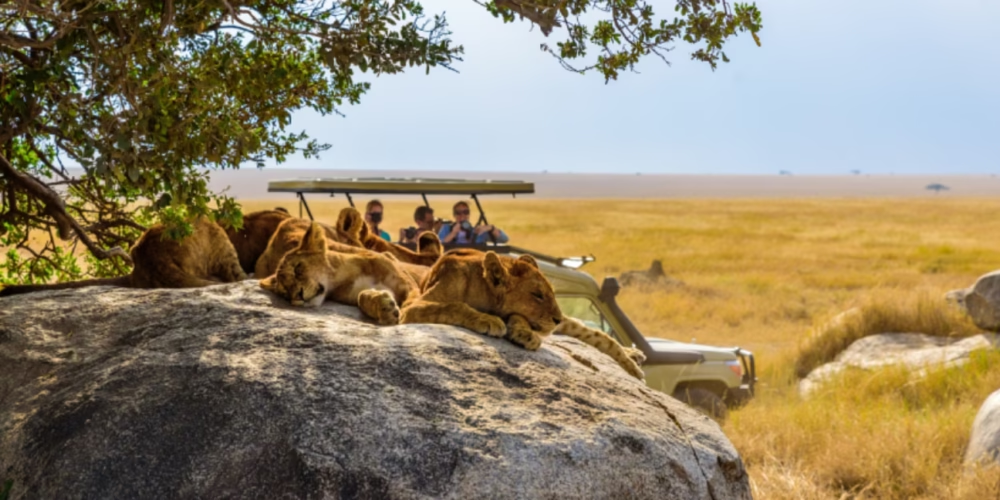
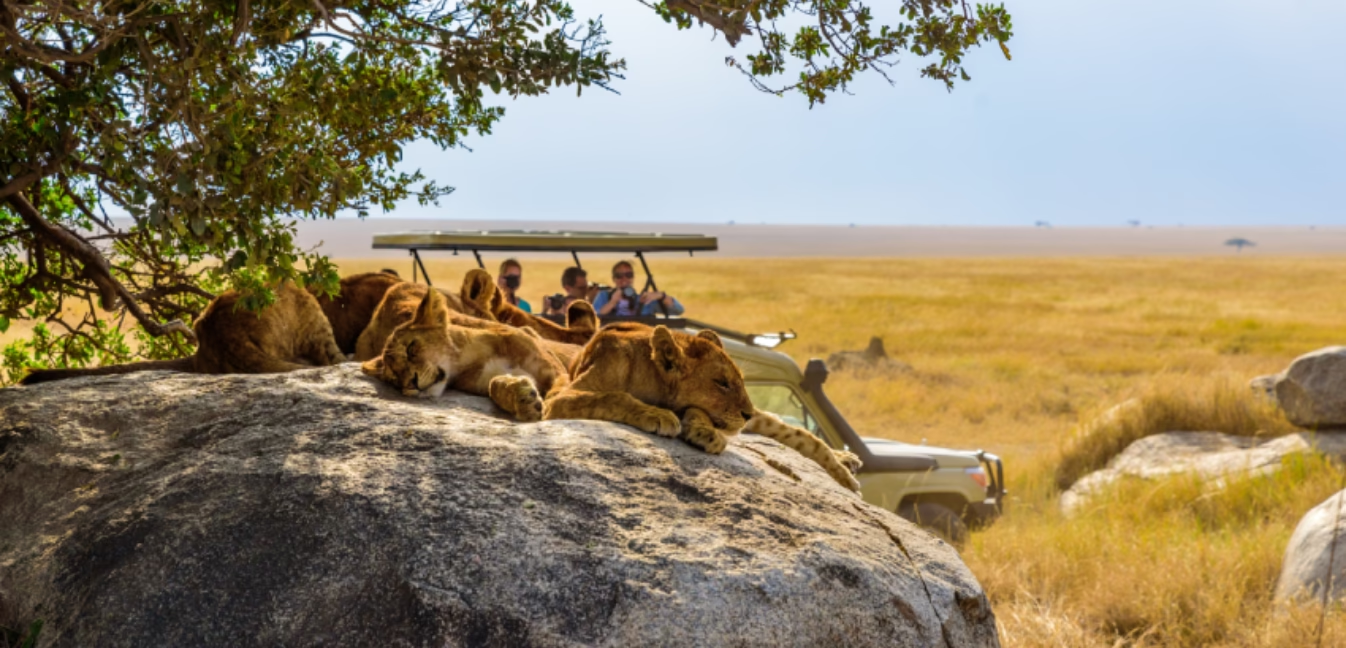
Lightweight cameras and an emerging interest in conservation encouraged travelers to experience wildlife through observation rather than killing. Protected areas like Serengeti National Park, Masai Mara, and Kruger National Park became popular for game drives, birdwatching, and research-based safaris.
Wildlife pioneers like Joy and George Adamson and Dr. Bernhard Grzimek were instrumental in shifting the public perception of African animals from targets to treasures. Their advocacy helped create some of Africa’s most iconic conservation areas.
Community Involvement and Cultural Tourism
Over time, safari evolved to include not only wildlife viewing but also cultural exchange. Local communities, including the Maasai, Himba, San, and Batwa, began to engage with tourism as guides, storytellers, and lodge staff. In many areas, community-based tourism became a source of income and empowerment.
Some modern safaris now include visits to villages, traditional ceremonies, guided bushwalks, and educational programs. Ethical tour operators focus on cultural respect and creating benefits for the host communities, allowing visitors to better understand Africa’s human history alongside its wildlife.
Modern Safari Travel: Eco-Tourism and Sustainability
Today, a safari in Africa is a highly customizable experience. Travelers can choose from:
- Classic 4×4 game drives in national parks
- Walking safaris with armed rangers
- Fly-in luxury safaris
- Mobile tented expeditions
- Boat safaris in deltas and rivers
- Mountain gorilla tracking in forests
The focus is now on low-impact travel and wildlife conservation. Many camps run on solar power, support anti-poaching efforts, and invest in local schools and health programs.
Countries like Rwanda and Botswana lead the way in high-value, low-volume tourism, balancing wildlife protection with guest experiences. In many parks, safari fees directly support conservation and community development.
How Safari Continues to Evolve
The future of safari in Africa depends on sustainability. Climate change, over-tourism, and habitat encroachment are major threats. Yet, many African nations and conservation groups are actively addressing these issues through innovative models.
Key trends shaping the future of safaris include:
- Eco-certified lodges and carbon-offset programs
- Electric safari vehicles and silent game drives
- Citizen science programs for travelers
- Local guide training and community ownership
- Increased visibility for African-led safari companies
The modern safari is no longer about domination over nature. It’s about coexisting with it, learning from it, and ensuring it remains for generations to come.
Plan your safari to Africa.
The history of safari in Africa reflects the continent’s changing relationship with its wildlife, its people, and the outside world. From ancient trade routes and colonial hunting trips to today’s conservation-centered adventures, safaris continue to evolve in purpose and meaning.
Today’s safari is not just a journey across landscapes—it’s a journey of understanding. A chance to connect with nature, respect cultural heritage, and support a better future for Africa’s ecosystems.
Plan your safari with us and become part of this remarkable story.