
What to Expect on Safari in Kenya
What to Expect on Safari in Kenya
A safari in Kenya is more than a vacation—it’s a once-in-a-lifetime journey into one of the most iconic wildlife landscapes on Earth. From vast savannas teeming with lions to snow-capped mountains, flamingo-lined lakes, and traditional Maasai culture, Kenya delivers an unforgettable blend of raw nature, big game, and cultural immersion.
Whether you’re planning your first African safari or returning for a deeper experience, here’s what to expect on a safari in Kenya.
-
World-Class Wildlife Viewing
Kenya is one of the best safari destinations in Africa for wildlife sightings.
What You’ll See:
- The Big Five: lion, leopard, elephant, rhino, buffalo
- The Great Migration (July–October): over 1.5 million wildebeest, zebras, and gazelles moving through the Maasai Mara
- Predators: cheetahs, hyenas, jackals, crocodiles
- Rare species: Grevy’s zebra, gerenuk, oryx, black rhino
- Birds: over 1,100 bird species, including flamingos, secretary birds, and eagles
Different parks offer different specialties:
- Maasai Mara: best for migration and predator sightings
- Amboseli: large herds of elephants with Mount Kilimanjaro backdrop
- Samburu: home to the “Samburu Five” (e.g., Grevy’s zebra, Somali ostrich)
- Lake Nakuru: rhinos and flamingos
- Tsavo: dramatic landscapes and red-dusted elephants
-
Thrilling Game Drives
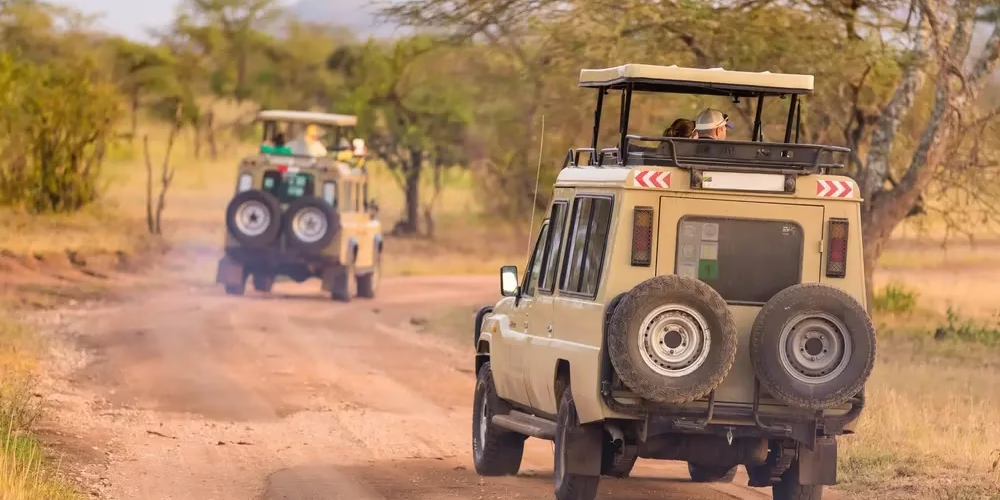
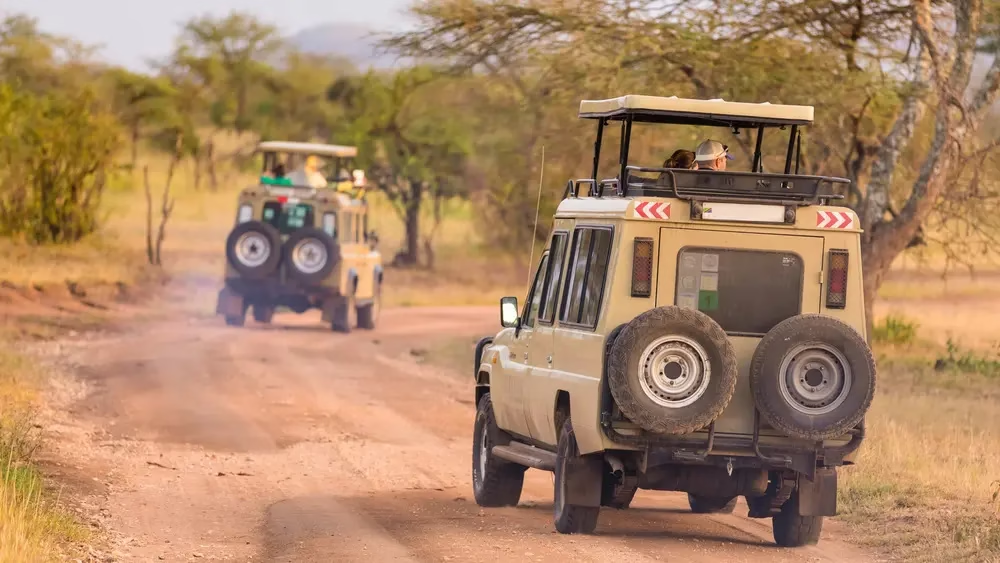
Game drives are the heart of any safari in Kenya. You’ll typically head out in a 4×4 open-roof safari vehicle, either in a private group or with other guests on a shared drive.
What to Expect:
- Early morning drives (6–10 AM): Best time for predator activity and cooler temperatures
- Late afternoon drives (4–7 PM): Ideal for elephants, big cats, and sundowners
- Full-day drives (optional): For remote parks like Mara Triangle or during the migration
Your guide will help track animals, explain behavior, and position the vehicle for the best view (and photos).
-
Diverse Accommodation Options
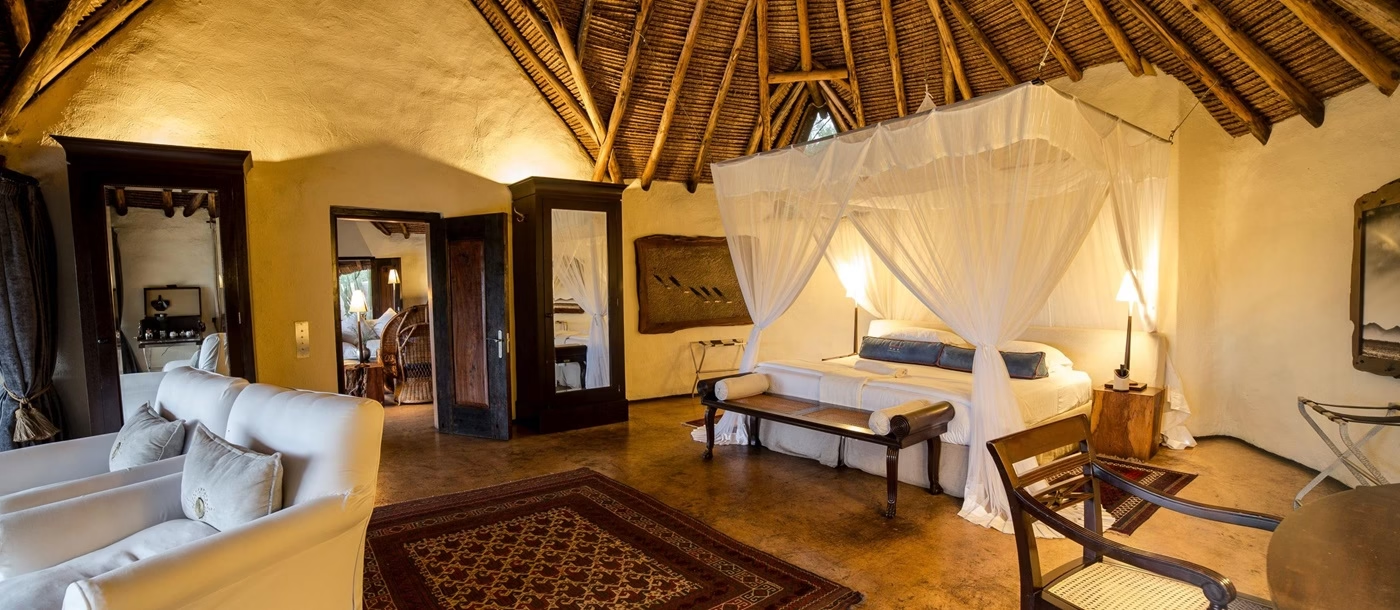
Kenya caters to all budgets—from basic camping to ultra-luxury lodges. Most safaris are full board, including meals, drinks, and sometimes laundry.
Types of Safari Lodging:
- Luxury lodges: Spacious rooms, infinity pools, fine dining (e.g., ngama Mara, Ol Donyo Lodge)
- Tented camps: Canvas under thatch with real beds and en-suite bathrooms (e.g., Kicheche Camp)
- Budget camps: Shared facilities, but authentic bush experience
- Mobile camps: Move with the migration—perfect for hardcore wildlife enthusiasts
Expect to be immersed in nature—you may hear lions roar at night or see giraffes from your deck.
-
Smooth Safari Logistics (But Expect Some Bumps)
Most travelers fly into Nairobi (JKIA) and either:
- Drive 4–6 hours to parks like Amboseli or Maasai Mara
- Take short bush flights to remote airstrips in the Mara, Samburu, or Laikipia
Travel Tips:
- Light aircraft have luggage limits (~15 kg in soft bags)
- Roads to some parks can be bumpy, especially in the rainy season
- Most safaris are guided and pre-booked through a tour operator—DIY is uncommon outside cities
-
Spectacular Landscapes
Kenya’s scenery is as diverse as its wildlife.
Expect to see:
- Golden savannas dotted with acacias in the Maasai Mara
- Swamps and salt pans in Amboseli
- Arid, rocky hills in Samburu
- Mountain rainforests in the Aberdares
- Lakes and soda flats in the Rift Valley
- Snow-capped Mount Kenya, Africa’s second-highest peak
The sunrises and sunsets over the African plains are often a highlight all on their own.
-
Close but Respectful Wildlife Encounters
Kenyan safaris bring you surprisingly close to wild animals—often within 5–15 meters. Guides understand how to approach animals without disturbing them.
But don’t expect petting zoos. Safaris are strictly non-interactive:
- No touching or feeding animals
- No loud noises or sudden movements
- No getting out of the vehicle unless told it’s safe
Your safety is top priority—but so is the animal’s comfort and wild nature.
-
Rustic Luxury & Eco-Tourism Ethos
Many Kenyan lodges operate on solar power, recycled water, and minimal environmental impact. You’ll often find:
- Organic locally sourced meals
- Plastic-free policies
- Support for conservation and local communities
You can also join:
- Cultural visits to Maasai or Samburu villages
- Anti-poaching or community conservation programs
- Bush walks with local guides and trackers
-
What to Pack and Expect Daily
Expect a relaxed, casual rhythm during your safari.
Typical Day:
- 5:30 AM: Wake-up call
- 6:00 AM: Coffee/snacks
- 6:30 AM: Morning game drive
- 10:00 AM: Late breakfast/brunch
- 1:00 PM: Lunch
- 3:30 PM: Afternoon tea
- 4:00 PM: Evening game drive
- 7:00 PM: Sundowners
- 8:00 PM: Dinner and fire stories
Essentials to Pack:
- Neutral clothing (tan, olive, brown)
- Hat, sunglasses, sunscreen
- Binoculars and camera
- Insect repellent and malaria meds
- A fleece or light jacket (nights can be chilly)
- Travel insurance and vaccination certificate (e.g., yellow fever)
Bonus: Unique Safari Add-Ons in Kenya
- Hot Air Balloon Safari over the Mara
- Walking safaris in Laikipia
- Fly camping under the stars
- Beach extension: Combine your safari with a trip to Diani Beach, Lamu, or Watamu
- Photography safaris with pro guides
Plan your safari.
Kenya is the quintessential safari destination—perfect for first-timers and returning wildlife lovers alike. Expect iconic animals, dramatic landscapes, deep cultural roots, and an experience that blends adventure, luxury, and connection to nature.
Whether you’re chasing the migration or seeking stillness beside a lion-stalked acacia tree, Kenya will give you something more than photos—it will give you stories for a lifetime.