
15 Most Dangerous Animals in the World
15 Most Dangerous Animals in the World
Most dangerous animals in the world. The natural world is filled with creatures that are majestic, fascinating—and sometimes deadly. While most animals are not aggressive toward humans, a few species stand out for their ability to kill or seriously harm people through venom, sheer strength, or disease transmission. Whether on land, in water, or in the air, these animals demand respect and caution.
-
Mosquito
Despite its tiny size, the mosquito is the deadliest animal on Earth. It transmits deadly diseases like malaria, dengue fever, Zika virus, and yellow fever, causing over 700,000 deaths annually. Mosquitoes thrive in tropical and subtropical climates and can infect humans with just one bite.
-
Box Jellyfish
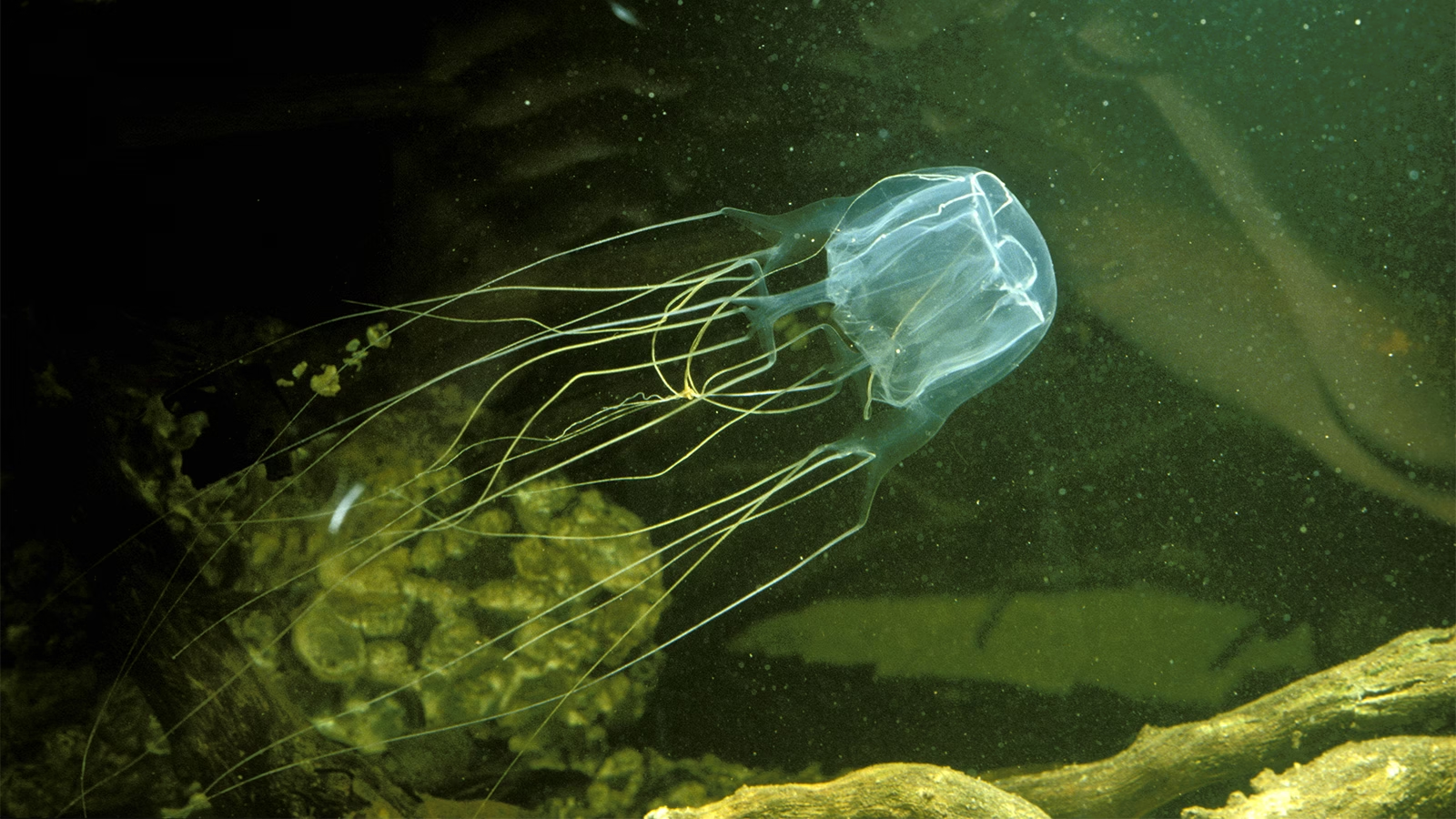
Found in the waters of the Indo-Pacific and northern Australia, the box jellyfish delivers an excruciating venom through its tentacles. Stings can cause cardiac arrest, paralysis, and death within minutes. Some species are nearly invisible in water, making them even more dangerous.
-
Saltwater Crocodile
The largest living reptile, saltwater crocodiles are apex predators found in Southeast Asia and Australia. They can grow over 6 meters (20 feet) long and are responsible for hundreds of fatal attacks. With powerful jaws and lightning-fast ambush skills, they are fearsome hunters.
-
African Elephant
While elephants are generally peaceful, African elephants can become extremely aggressive when threatened. Weighing up to 6 tons, they are capable of trampling vehicles, overturning trees, and killing humans. Around 500 people die annually from elephant encounters.
-
Hippopotamus
Don’t let their bulky appearance fool you—hippos are among the most aggressive animals in Africa. Extremely territorial and fast on land and water, they are responsible for an estimated 500 human deaths per year, often attacking boats and riverbanks without warning.
-
Cape Buffalo
Known as the “Black Death” in Africa, the Cape buffalo kills more hunters on the continent than any other big game animal. When wounded or cornered, it charges with deadly force, often goring victims with its sharp, curved horns.
-
Poison Dart Frog
These small, vibrantly colored frogs secrete powerful toxins through their skin. The most toxic species, Phyllobates terribilis, carries enough poison to kill 10 humans. Indigenous people once used their venom to coat blow darts for hunting.
-
Cone Snail
Found in warm ocean waters, this unassuming snail harbors a harpoon-like tooth capable of injecting neurotoxic venom. There is no known antivenom, and its sting can be fatal within hours, depending on the species and dose.
-
Golden Poison Frog
Native to Colombia, the golden poison frog is one of the most poisonous animals on Earth. A single frog carries enough batrachotoxin to kill 20 adult humans. Unlike snakes or spiders, its danger lies in simple contact—handling it can be lethal.
-
Pufferfish
Also known as fugu in Japanese cuisine, pufferfish contain tetrodotoxin, a poison 1,200 times more toxic than cyanide. If prepared incorrectly, it can cause respiratory failure and death. There is no known antidote.
-
Inland Taipan (Fierce Snake)
Native to Australia, the inland taipan is the most venomous snake in the world. One bite can kill a human in under 45 minutes. Thankfully, it’s reclusive and rarely bites people, but its venom is 50 times more toxic than a cobra’s.
-
Tsetse Fly
This fly transmits sleeping sickness (trypanosomiasis) in sub-Saharan Africa. The parasite it carries affects the human nervous system and is fatal if untreated. Tsetse flies infect thousands annually, making them one of Africa’s deadliest insects.
-
Komodo Dragon
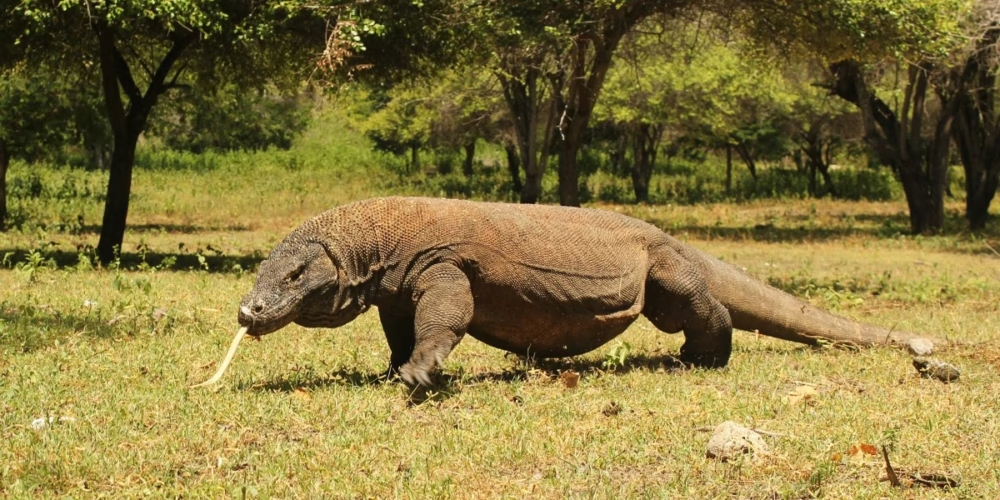
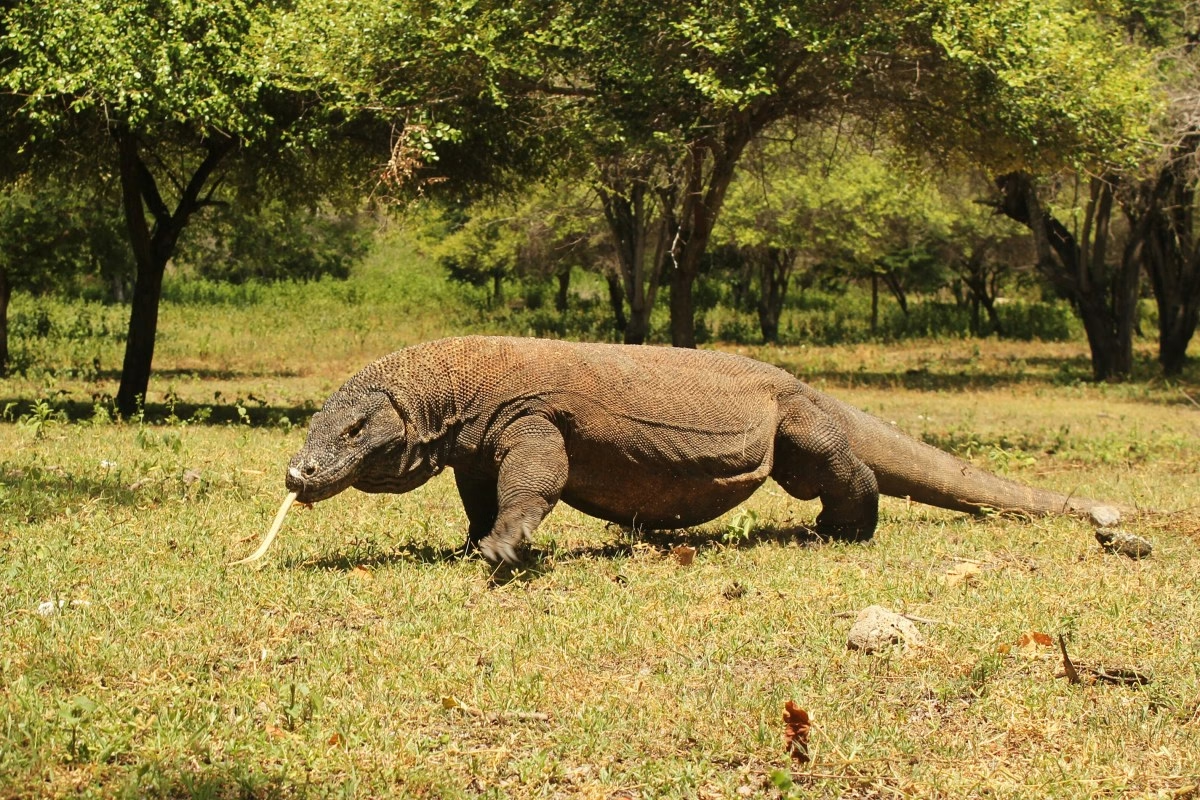
The largest lizard on Earth, the Komodo dragon kills with a combination of venom and bacteria in its bite. It stalks prey, delivers a powerful bite, and waits for the victim to weaken before consuming it. Fatal attacks on humans have occurred on Indonesia’s Komodo Island.
-
Great White Shark
While shark attacks are rare, the great white’s power and size make it deadly. It can weigh over 1,000 kg (2,200 lbs) and use its sharp, serrated teeth to deliver a fatal bite. Although not the top killer statistically, its attacks are often severe.
-
Asian Cobra
Responsible for thousands of deaths each year in India and Southeast Asia, the Asian cobra delivers a potent neurotoxin. It often lives near human settlements, increasing the risk of bites. Without prompt treatment, cobra bites can lead to death within hours.
Final Thoughts
The world’s most dangerous animals don’t always roar, growl, or bare fangs. Sometimes, the smallest or quietest creatures—like mosquitoes or snails—pose the greatest threat to human life. Whether it’s through venom, aggression, or disease, these animals serve as powerful reminders of the raw power of nature.
If you are exploring wild regions or venturing into remote environments, understanding the risks—and respecting these creatures—can help keep you safe.