
Himba Tribe of Namibia
The Himba people of Namibia.
Himba Tribe. The Himba are a semi-nomadic pastoralist group living in northern Namibia, particularly in the arid region of Kunene, formerly known as Kaokoland. Known for their striking appearance and strong cultural identity, the Himba are among Africa’s most visually iconic and traditionally preserved ethnic groups.
Where Do the Himba Live?
The Himba people inhabit remote villages across the Kunene region near the Angola-Namibia border. Their homeland lies in the Kaokoveld Desert, a dry, rugged terrain marked by mountains, grasslands, and sandy plains. The remoteness of this region has helped the Himba maintain their traditions, relatively undisturbed by modern influences.
A Distinctive Appearance
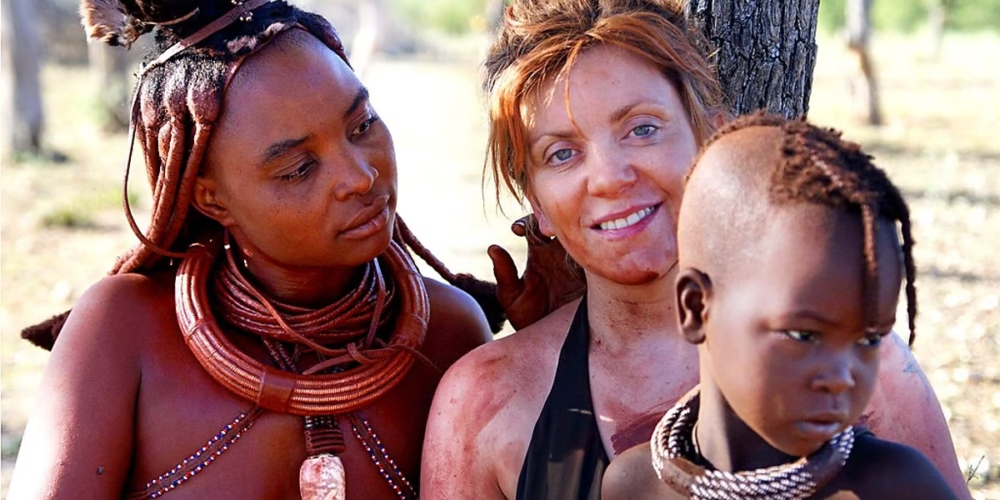
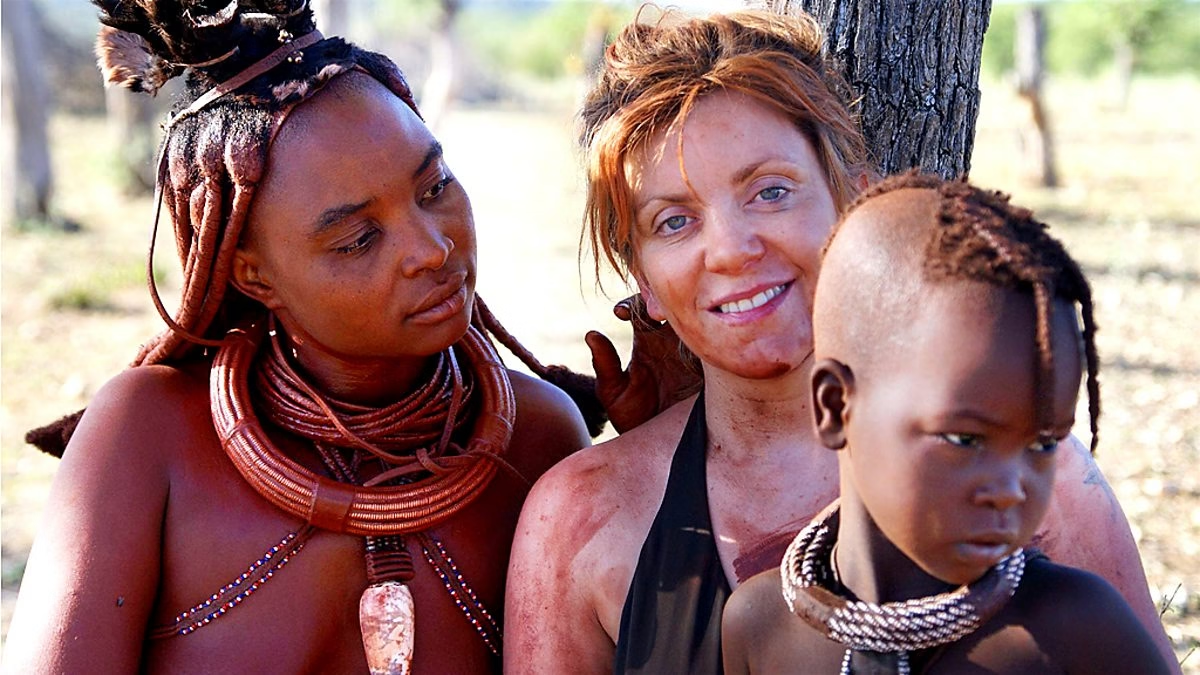
The Himba are instantly recognizable due to their reddish skin tone, intricate hairstyles, and traditional dress.
- Otjize Paste: Himba women cover their bodies with a paste made of butterfat and red ochre, known as otjize. This protects their skin from the sun and gives it a rich, reddish hue that symbolizes earth and life.
- Hairstyles: Hairstyles reflect age, gender, and social status. Young girls wear two plaits (ozondato) over their face, while married women wear elaborate styles covered with otjize and ornaments. Men usually shave their heads or wear a single plait if unmarried.
- Jewelry and Clothing: Both gender wear handmade jewelry crafted from leather, iron, shells, and beads. Himba women typically wear goat-skin skirts and walk barefoot, adorned with necklaces and bracelets.
Social Structure and Family Life
Himba society is matrilineal. Inheritance and descent pass through the mother’s lineage, yet male elders typically make major decisions.
Families live in homesteads, circular enclosures made of mud, dung, and wood, arranged around a central fire. This fire, known as the “okuruwo,” holds spiritual significance and is kept burning continuously as a connection to the ancestors.
Children grow up in close-knit groups and are raised collectively. Boys herd cattle, while girls help with household tasks from an early age.
Livelihood: Cattle, Goats, and Survival
Cattle are the cornerstone of Himba life. They are symbols of wealth, status, and sustenance. The Himba also raise goats and occasionally grow maize and millet near water sources.
Due to the harsh climate, the Himba often migrate seasonally with their herds. They are skilled in locating water and grazing land in semi-arid conditions.
They rely heavily on milk, meat, and herbal remedies for food and medicine. Markets and shops are distant, so self-reliance is essential.
Spiritual Beliefs and Ancestor Worship
The Himba practice a traditional belief system centered around the worship of ancestors and the god Mukuru. Ancestors act as intermediaries between the living and the spiritual world.
The sacred fire (okuruwo) plays a key role in rituals, where elders communicate with ancestors through offerings and prayer. Death and birth ceremonies are important communal events, reinforcing spiritual ties.
The Role of Women in Himba Culture
Himba women carry significant responsibilities in society. They care for children, build homes, prepare food, and tend to livestock when men travel. Women are also the custodians of Himba beauty practices and oral traditions.
They possess indigenous knowledge of herbs, desert survival, and healing—vital for communities living far from modern health care.
Modern Challenges and Adaptation
While the Himba have resisted cultural erosion, modernization and climate change present real challenges. Droughts increasingly threaten cattle herds. Government education programs encourage school attendance, but many Himba communities remain hesitant, fearing a loss of tradition.
Tourism has brought both opportunities and pressures. Many Himba now earn income through cultural tourism, showcasing their heritage. However, exposure to outsiders risks commodifying their traditions.
Some Himba youth are choosing modern life, while elders try to strike a balance between preservation and adaptation.
Why the Himba Matter
The Himba are living custodians of ancient African tradition. Their resilience, beauty rituals, and rich oral history make them one of the most fascinating communities on the continent.
They challenge modern narratives of progress by proving that identity, community, and survival can thrive even in isolation.
Call to Action: Experience Himba Culture Responsibly
If you are planning a visit to Namibia, consider joining an ethical cultural tour that supports Himba communities directly. Learn their customs, listen to their stories, and respect their space.
Every respectful interaction helps keep one of Africa’s oldest living cultures alive—not just as a photo opportunity, but as a powerful example of human endurance and dignity.