
Do Hyenas Eat Lions?
Do Hyenas Eat Lions?
The African wilderness is home to some of nature’s most intense rivalries, and none is more dramatic—or misunderstood—than the ongoing conflict between hyenas and lions. These two apex predators regularly compete for food and territory, often clashing in brutal encounters. But one of the most intriguing and controversial questions that arise from this rivalry is: do hyenas eat lions?
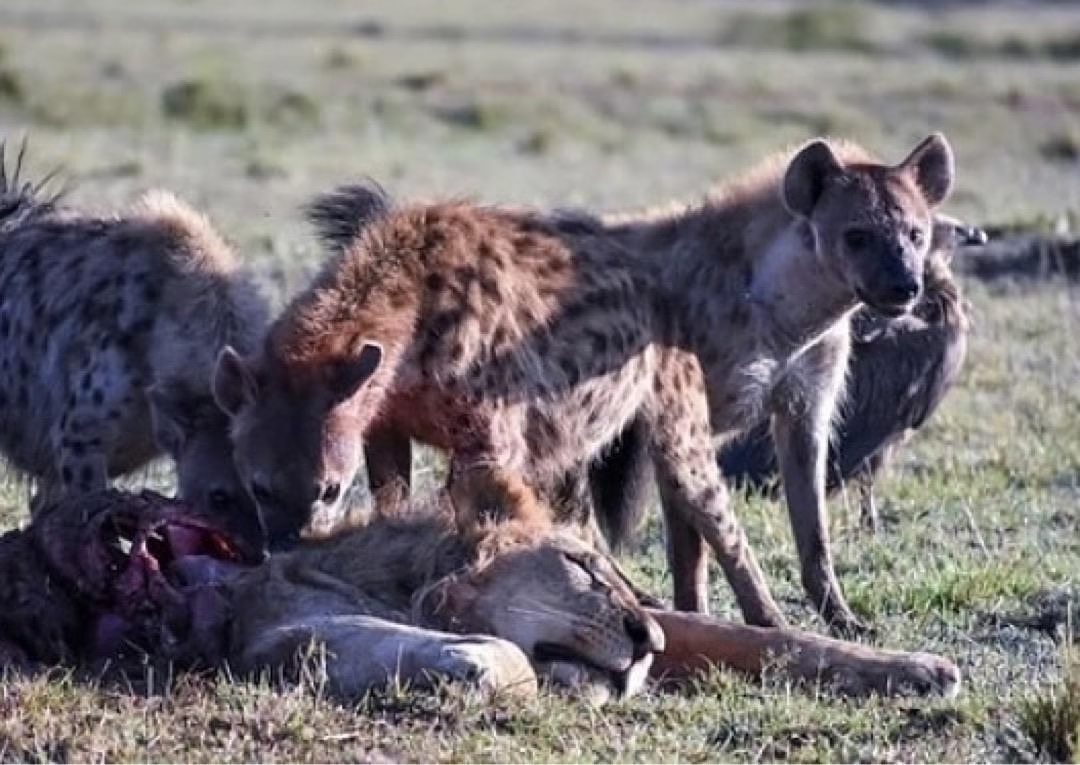
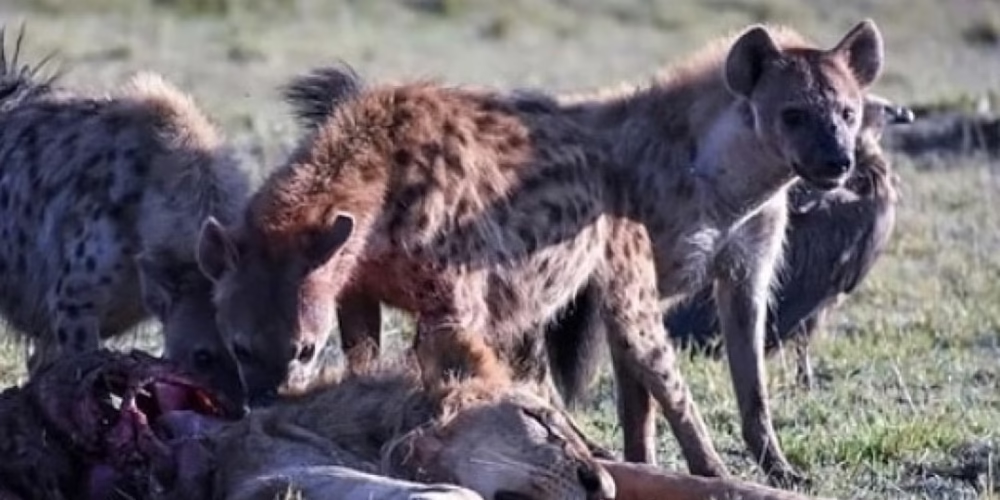
The answer is yes, but with important context. Hyenas do eat lions, though they rarely kill healthy adults. They are opportunistic feeders and will consume lion cubs, injured lions, or dead lions when the opportunity arises. These interactions are shaped by power dynamics, hunger levels, and group numbers. Let’s explore this complex relationship in detail.
Do Hyenas Kill Lions?
Hyenas are formidable predators with strong jaws, high intelligence, and complex social structures. A typical clan can number between 10 to 80 individuals, giving them the advantage of coordinated attacks and numerical superiority. While hyenas can kill lions, this behavior is rare and not their first strategy.
Here are situations where hyenas may kill lions:
- When lions are isolated or wounded
A lone male lion injured from a previous fight may become vulnerable to a large hyena clan, especially if they detect weakness. - During territorial disputes
Hyenas may attack lionesses guarding cubs or challenge smaller lion groups near carcasses. - Out of desperation
In times of food scarcity, hyenas may take greater risks—including attacking a lion—to survive.
However, these scenarios are exceptions. Most hyena clans prefer scavenging or hunting easier prey such as wildebeest, zebra, or antelope.
Do Hyenas Eat Lion Carcasses?
Absolutely. Hyenas are Africa’s most efficient scavengers, capable of consuming nearly every part of a dead animal—including bones, skin, and hooves—thanks to their extremely powerful jaws and acidic digestive system.
If hyenas come across a dead lion, they will consume it without hesitation. Carcasses may result from:
- Natural causes (disease, age)
- Injuries from male lion fights
- Conflict with rival predators
- Environmental stressors like starvation or dehydration
The presence of lions in a weakened state provides hyenas with a rare but valuable high-protein meal.
Do Hyenas Eat Lion Cubs?
Yes, lion cubs are the most vulnerable members of a pride and are prime targets for hyenas. Cubs are often left in temporary dens while lionesses hunt. If a hyena clan discovers them unguarded, they will kill and eat them.
This behavior serves two purposes:
- Food: Cubs are small but nutritious meals.
- Eliminating future competition: Killing lion cubs weakens future lion generations, reducing threats to the hyena clan’s territory.
Lionesses often return quickly if they detect hyena presence, leading to fierce skirmishes and sometimes fatalities.
Do Lions Eat Hyenas?
Yes, but not for food. Lions kill hyenas primarily out of competition, not hunger. A dominant male or coalition of lions will kill hyenas during territorial patrols or while defending a kill.
Interestingly, lions rarely consume hyenas after killing them. Their meat is not preferred due to the strong scent and carnivorous diet of hyenas, which may make their flesh less palatable.
Why Are Lions and Hyenas Natural Enemies?
The rivalry between lions and hyenas is one of competition, not predation. Both species occupy the same ecosystems and compete for the same food sources. Here’s why they are natural enemies:
-
Shared Prey Base
Both hunt herbivores like wildebeest, zebra, and buffalo. When prey is scarce, this competition intensifies.
-
Scavenging Conflicts
Hyenas often attempt to steal lion kills, especially when lionesses or subadult lions are feeding alone. In return, lions may raid hyena kills.
-
Territorial Overlap
Lions and hyenas patrol and mark overlapping areas. They encounter each other frequently, leading to aggressive displays and sometimes fatal encounters.
-
Protection of Young
Hyenas will kill lion cubs, and lions will kill hyena pups. This tit-for-tat conflict reinforces their adversarial relationship.
Behavioral Dynamics: Who Has the Advantage?
While lions are larger and physically stronger, hyenas have advantages in numbers and coordination. In a direct one-on-one fight, a lion usually wins. But when outnumbered, even a lion will retreat or get injured.
Key differences:
| Feature | Lions | Hyenas |
| Strength | Stronger individually | Weaker individually |
| Group size | Prides (3–12 typically) | Clans (10–80+) |
| Intelligence | High, but less social learning | Extremely intelligent and social |
| Feeding behavior | Hunt and scavenge | Scavenge and hunt |
| Speed and endurance | Strong burst speed | Endurance over long pursuits |
Do Hyenas and Lions Ever Avoid Each Other?
Yes. In ecosystems where prey is abundant, hyenas and lions often tolerate each other’s presence without conflict. Direct confrontations are risky for both and typically happen only when provoked, hungry, or defending territory or young.
During nighttime hours, when lions are most active, hyenas tend to be more cautious and rely on group strength to approach kills.
Real Safari Encounters: Where to Witness This Rivalry
If you want to see the lion-hyena rivalry play out in real life, visit Africa’s top predator-rich ecosystems:
- Masai Mara (Kenya) – Large predator populations create frequent clashes.
- Serengeti National Park (Tanzania) – Peak season during the Great Migration brings intense competition.
- Kruger National Park (South Africa) – Diverse terrain supports both species in close proximity.
- Okavango Delta (Botswana) – A wetland mosaic where predators often overlap at water sources.
- Etosha National Park (Namibia) – Good visibility in the dry season makes predator dynamics more observable.
Expert guides often identify signs of recent predator confrontations, such as drag marks, vulture activity, or fresh tracks, offering insight into behind-the-scenes wildlife drama.
Plan Your Safari: Respecting Nature’s Balance
Hyenas and lions are both essential components of the African ecosystem. Their rivalry keeps populations in check, balances predator pressure, and enriches the biodiversity of the savanna. Watching these animals interact—whether through distant standoffs, dramatic battles, or quiet co-existence—is a highlight of any African safari.