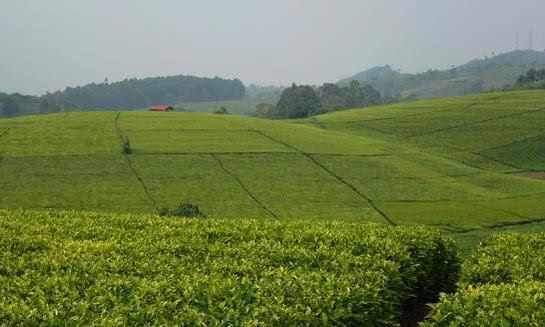

Mbayo Tea Estate
Mbayo Tea Estate – A Scenic and Cultural Stop Near Kahuzi-Biega National Park
Located on the green hills surrounding Kahuzi-Biega National Park in the eastern Democratic Republic of Congo, Mbayo Tea Estate offers visitors more than just a taste of local tea—it delivers a cultural, historical, and scenic experience that complements any gorilla safari in the region.
Just an hour’s drive from Bukavu, Mbayo sits between forested highlands and the fertile lands bordering the park. This tranquil estate is one of the most accessible and rewarding day trips in the Kivu region.
A Blend of Nature, Culture, and Agriculture
Mbayo Tea Estate spreads across gently sloping hills, with neatly arranged tea bushes forming patterns against a backdrop of forested ridges. Originally developed during colonial times, the estate has a long history tied to Congo’s agricultural economy.
It also includes former cinchona plantations, once used to extract quinine for malaria treatment. While tea remains the main crop today, the estate still holds traces of its botanical heritage.
What to Expect at Mbayo Tea Estate
A typical visit begins with a warm welcome from local guides. They lead a relaxed walk through the tea fields, where you learn about tea cultivation, harvesting, and climate conditions. You may even try picking a few leaves the traditional way.
The tour continues to a small processing facility where guides explain how tea moves from fresh leaves to dried, packaged product. This “leaf-to-cup” process offers real insight into rural Congolese farming techniques.
Finally, visitors enjoy a tea tasting session with panoramic views of Lake Kivu, Bukavu, and the distant slopes of Mount Kahuzi. This serene setting, paired with the aroma of fresh tea, creates a peaceful end to the visit.
Cultural and Community Importance
Mbayo Tea Estate is more than a plantation—it plays a role in community-based tourism. Local guides come from nearby villages. Some are former park rangers or conservation workers. Others are part of cultural heritage groups that preserve stories, songs, and farming traditions.
The estate also links with the Royal Court of Kabare, the ceremonial seat of one of the region’s oldest kingdoms. Visitors often pair their Mbayo trip with a cultural tour that includes dance performances and oral histories shared by local elders.
Best Way to Visit Mbayo
Mbayo Tea Estate is typically included in 3-day gorilla trekking itineraries that start in Kigali (Rwanda) or Bukavu (DRC). These packages often combine:
-
Gorilla trekking in Chibati or Mugaba sectors of Kahuzi-Biega
-
A visit to Tshibati Waterfall
-
A cultural stop at Kabare Royal Court
-
A walk and tea tasting at Mbayo Tea Estate
The estate is best visited in the afternoon, especially after the early-morning gorilla treks. This lets visitors relax, reflect, and enjoy a change of scenery.
Practical Travel Tips
-
Access: 4×4 vehicles recommended, especially during rainy seasons.
-
Duration: 1 to 2 hours.
-
Footwear: Sturdy shoes are best for walking through muddy or uneven paths.
-
Weather: Bring a raincoat and sun protection—weather shifts quickly.
-
Language: Local guides speak French, Swahili, and basic English.
-
Booking: Coordinate with local tour operators or lodges in Bukavu or park headquarters.
Why Mbayo Tea Estate Deserves a Spot on Your Itinerary
-
It offers a calm and scenic break from the rugged terrain of gorilla trekking.
-
It connects you to local people and cultural history.
-
It supports sustainable tourism and economic growth in nearby communities.
-
It brings you closer to Congo’s natural beauty, from cultivated hills to rainforest edges.
Whether you’re a tea lover, a cultural explorer, or a safari enthusiast, Mbayo enriches your experience in South Kivu.
Travel with secure operators.
Mbayo Tea Estate adds color, calm, and culture to any visit to Kahuzi-Biega National Park. It offers a taste of the region’s agricultural history, a view into local life, and a peaceful landscape to unwind after a forest adventure.
Combine your gorilla trek with a visit to Mbayo, and you’ll leave with more than photos—you’ll carry the taste and story of Congo’s tea highlands.