
M23 Rebellion and Its Impact on Kahuzi-Biega National Park, DRC
M23 Rebellion and Its Impact on Kahuzi – Biega National Park, DRC
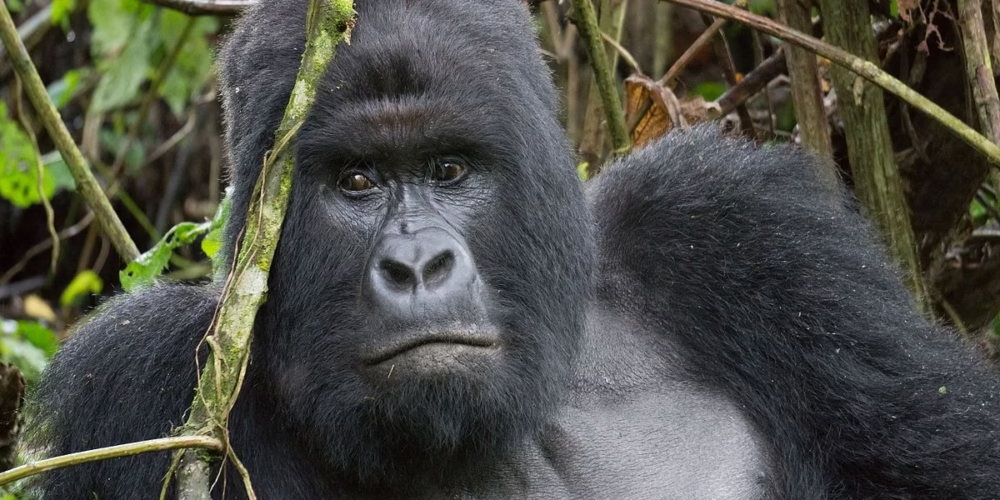
M23 Kahuzi-Biega.Kahuzi-Biega National Park, a UNESCO World Heritage Site in the eastern Democratic Republic of Congo (DRC), is home to the world’s last remaining populations of Grauer’s gorillas. Over the past few years, however, the park has faced mounting threats—not from poachers or natural disasters—but from armed groups, most notably the M23 rebel movement.

Since M23 intensified its insurgency in North and South Kivu, the park has become a target for illegal exploitation and militarized activity. Its ecosystems, wildlife, and communities now suffer the consequences of unchecked conflict.
M23 Expansion into Kahuzi-Biega: A Turning Point
The March 23 Movement (M23) resumed attacks in 2021, seizing key territories across North Kivu. By late 2023, M23-affiliated militias began infiltrating sections of South Kivu, bringing their influence closer to the eastern edge of Kahuzi-Biega.
Reports from early 2024 indicate that rebel factions used old park roads to enter forested zones. The movement disrupted ranger patrols, reactivated logging routes, and displaced local communities.
Illegal Logging and Forest Loss
One of the most immediate impacts has been accelerated deforestation. M23 fighters have allowed and even taxed illegal loggers and charcoal producers. Satellite data shows over 1,100 hectares of forest cover were lost in 2023 alone—more than double the average annual rate before the conflict.
Park roads, once blocked to protect biodiversity, are now used to transport timber and charcoal. Insecurity has made it nearly impossible for rangers to intervene.
Grauer’s Gorillas at Risk
Kahuzi-Biega is the primary habitat for Grauer’s gorillas, the largest and most endangered gorilla subspecies. Their survival depends on large, undisturbed forest areas and regular monitoring.
Since the rebel presence increased, gorilla monitoring has slowed. Rangers now operate under high risk, and habituated families face greater exposure to poaching and snares.
Gorilla groups are fragmenting, and researchers warn that stress from gunfire, displacement, and human proximity could disrupt feeding and reproduction patterns.
Mining and Militia Activities
Conflict has triggered a rise in illegal mining within the park. Displaced civilians and armed groups alike exploit coltan and gold deposits hidden beneath the forest. Mining operations involve clearing land, polluting streams, and building makeshift roads—all devastating to local wildlife.
Many of these operations are carried out under M23 or other militia protection. Some local Batwa communities, pushed out of their ancestral lands, have resorted to mining as a last means of survival.
Rangers and Staff Under Threat
Ranger patrols have been cut back in many parts of the park due to M23’s growing presence. Several clashes between rangers, Congolese military forces (FARDC), and rebels have occurred near Kabamba, Kavumu, and along Lake Kivu’s western forest edge.
Park staff now face:
- Armed ambushes
- Restricted patrol zones
- Equipment theft and supply shortages
Despite these risks, rangers continue to monitor core zones, relocate gorillas, and remove snares where possible.
Collapse of Eco-Tourism
Before the insurgency, Kahuzi-Biega hosted tourists for Grauer’s gorilla trekking, nature walks, and cultural tours. That revenue funded park conservation and helped nearby communities.
Since 2022, tourism has collapsed. Gorilla treks in Chibati and Mugaba sectors have ceased. Lodges closed or shifted operations westward. Tour guides, porters, and vendors lost their income. The absence of tourism has reduced oversight in remote zones, creating opportunities for illegal activity.
What Conservationists Are Doing
Despite insecurity, conservation efforts continue:
- Community engagement: NGOs are working with displaced communities to promote sustainable livelihoods outside the park.
- Technology deployment: Conservationists use drones, satellite tracking, and camera traps to monitor key species.
- International pressure: UNESCO and wildlife groups have called for rebel withdrawal from park zones and a halt to illegal forest use.
- Gorilla health checks: Veterinary teams are still operating in safer sectors, tracking the health of remaining habituated families.
However, without peace and funding, these efforts may not hold back ecological collapse.
Long-Term Outlook
The future of Kahuzi-Biega depends on a few critical outcomes:
- Restoration of peace and security
- Re-establishment of park authority and ranger patrols
- Removal of armed groups from conservation zones
- Increased funding for conservation and community aid
- Reopening of tourism in safe, well-monitored sectors
If these elements align, the park can recover. But delays risk irreversible biodiversity loss.
Plan your tour wisely.
Kahuzi-Biega National Park stands at a tipping point. It holds unique wildlife and supports thousands of lives. But M23’s presence and the broader conflict in eastern DRC have turned it into a vulnerable battlefield.
Immediate action is needed to protect gorillas, forests, and the people who depend on them. Without intervention, one of Central Africa’s greatest ecological treasures may fade into memory.