
Protecting Chimpanzees for Tourism Development in Uganda
Protecting Chimpanzees for Tourism Development in Uganda
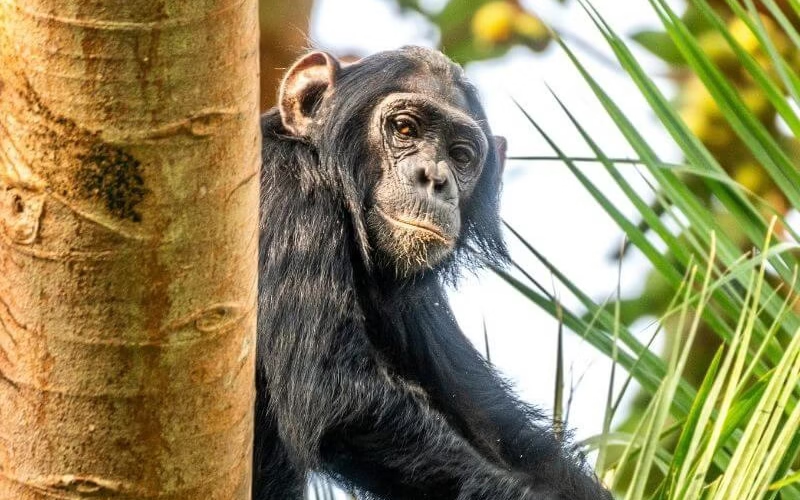
Uganda is home to over 5,000 wild chimpanzees, making it one of Africa’s best destinations for primate tourism. From the dense forests of Kibale to the eco-sanctuary on Ngamba Island, Uganda’s efforts to protect chimpanzees go hand in hand with its strategy to grow sustainable tourism.
Chimpanzee tourism not only attracts visitors but also supports conservation, research, and local development.

National Conservation Strategy
Uganda’s government actively protects chimpanzees through its Chimpanzee Conservation Action Plan. This strategy outlines how to reduce poaching, protect forests, and promote eco-tourism. The Uganda Wildlife Authority (UWA) leads enforcement and oversees regulated chimp trekking in national parks and forest reserves.
By combining tourism and conservation, Uganda ensures both goals support each other.
Responsible Chimpanzee Trekking
Chimpanzee trekking occurs in places like Kibale National Park, Budongo Forest, Kalinzu Forest, and Kyambura Gorge. In each site, UWA allows only small groups to track chimpanzees. Treks follow strict rules—visitors must stay at least 8 meters away, wear masks, and spend no more than one hour with the chimps.
These rules protect chimpanzees from stress and disease. Rangers and researchers monitor the health and behavior of habituated chimp groups daily.
Sanctuary-Based Tourism
At Ngamba Island Chimpanzee Sanctuary, visitors meet rescued and orphaned chimps. The sanctuary, located on Lake Victoria, cares for over 50 chimpanzees. It uses solar energy, rainwater harvesting, and compost toilets. Guests learn about chimpanzee behavior, rescue stories, and conservation needs.
Sanctuary tourism generates funds for care and education while giving visitors a unique experience.
Community Involvement and Eco-Tourism
Uganda ties chimp protection to community welfare. Local people near chimpanzee habitats receive a share of tourism revenue. Programs support schools, clinics, and clean water projects.
Groups like the Chimpanzee Sanctuary and Wildlife Conservation Trust (CSWCT) help locals benefit from eco-tourism. They train guides, employ porters, and fund forest-friendly projects like beekeeping or tree planting.
Communities now help protect chimpanzees rather than seeing them as threats or pests.
Economic Benefits
Chimpanzee tourism generates millions of dollars yearly for Uganda. A single trekking permit in Kibale costs about $150, and each trek attracts supporting spend on accommodation, transport, food, and local crafts. This supports rural economies and boosts conservation funding.
Many tour operators, lodges, and guides now promote chimpanzee trekking as a highlight of Uganda’s safari circuit.
Biosecurity and Disease Prevention
Since chimpanzees share over 98% of human DNA, they can catch diseases from us. Uganda enforces biosecurity protocols to reduce this risk. Visitors must wear face masks and sanitize hands. Sick tourists are not allowed on treks.
These efforts protect chimpanzees from flu viruses and other illnesses linked to human contact.
Research and Monitoring
Scientists regularly conduct surveys to monitor chimpanzee populations and forest health. Research teams track chimpanzee movements, behavior, and threats like poaching or habitat loss. Conservation groups, including the Jane Goodall Institute, partner with UWA and universities for long-term studies.
Education programs in schools and communities raise awareness about chimpanzee protection and conservation ethics.
Tourism as a Tool for Chimpanzee Survival
Uganda proves that conservation and tourism can grow together. By protecting chimpanzees, the country attracts travelers, generates income, and supports rural communities. With careful planning, strong laws, and community support, chimpanzees can thrive in the wild—and visitors can witness them in their natural homes.