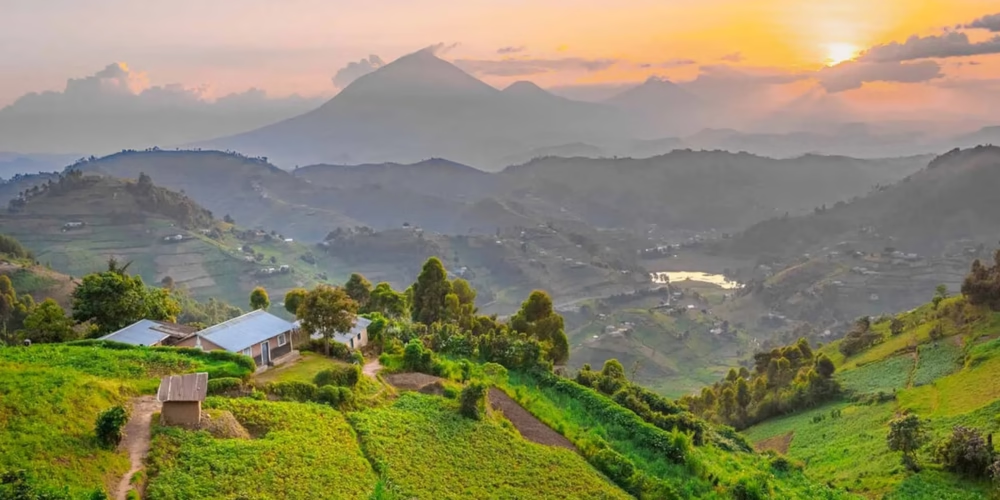

Uganda Frequently Asked Questions
Uganda Frequently Asked Questions: Everything You Need to Know Before You Visit
Uganda Frequently Asked Questions. Often called the Pearl of Africa, uganda is a country rich in natural beauty, wildlife, culture, and adventure. From gorilla trekking in Bwindi to relaxing along Lake Victoria, Uganda offers something for every traveler. Below are answers to the most frequently asked questions by visitors planning a trip to this remarkable East African destination.

-
Is Uganda Safe for Tourists?
Yes. Uganda is considered one of the safer countries to visit in Africa, especially for tourism purposes. The main travel destinations such as Kampala, Jinja, Entebbe, Bwindi, Kibale, and Queen Elizabeth National Park are generally safe. However, travelers should remain cautious in crowded places, avoid political demonstrations, and use reputable tour operators for excursions.
-
Do I Need a Visa to Travel to Uganda?
Most international travelers require a visa to enter Uganda. You can apply for a Uganda Tourist Visa online through the official e-visa portal. The East Africa Tourist Visa, which covers Uganda, Kenya, and Rwanda, is also available and recommended for multi-country trips.
-
What Is the Best Time to Visit Uganda?
Uganda can be visited year-round, but the dry seasons from December to February and June to August are ideal for wildlife viewing and trekking. These periods offer the best conditions for gorilla and chimpanzee tracking in the forests of Bwindi and Kibale.
-
What Is Uganda Famous For?
Uganda is best known for:
- Mountain gorilla trekking in Bwindi Impenetrable Forest.
- Chimpanzee tracking in Kibale Forest National Park.
- Lake Victoria, Africa’s largest lake.
- The source of the Nile in Jinja.
- Diverse wildlife safaris in parks like Murchison Falls, Queen Elizabeth, and Kidepo Valley.
- Cultural richness, including more than 50 groups and languages.
-
What Vaccinations Do I Need Before Traveling?
The yellow fever vaccination is mandatory, and a certificate is required upon entry. Other recommended vaccinations include hepatitis A and B, typhoid, tetanus, meningitis, and rabies for long stays or rural travel. Malaria is present, so anti-malarial medication and mosquito precautions are essential.
-
What Currency Is Used in Uganda?
The official currency is the Ugandan Shilling (UGX). Credit cards are accepted in major hotels and urban areas, but cash is widely used, especially in rural locations. It’s advisable to exchange money at banks or authorized forex bureaus. ATMs are available in cities but limited in remote areas.
-
Can I See the Big Five in Uganda?
Yes. Uganda offers sightings of all the Big Five: lions, elephants, leopards, buffaloes, and rhinos. Rhinos can be seen at Ziwa Rhino Sanctuary, while the other four can be spotted in Murchison Falls, Queen Elizabeth, and Kidepo Valley National Parks.
-
How Much Does Gorilla Trekking Cost in Uganda?
A gorilla trekking permit in Uganda costs $800 per person for foreign non-residents (as of 2024). Permits must be booked in advance through the Uganda Wildlife Authority (UWA) or a licensed tour operator. Trekking takes place in Bwindi Impenetrable and Mgahinga Gorilla National Parks.
-
What Languages Are Spoken in Uganda?
English is the official language, and Swahili is also widely used. Luganda, spoken in the central region, is the most common local language. Many Ugandans are multilingual, making it easy for travelers to communicate in tourist areas.
-
What Should I Wear When Traveling in Uganda?
Pack light, breathable clothing for daytime and a light jacket or fleece for cooler evenings, especially in highland areas. If trekking, wear hiking boots, long trousers, and a hat. Modest dress is appreciated in local communities and religious sites.
-
Can I Drive in Uganda as a Tourist?
Yes, tourists can drive with a valid international driving permit (IDP). Roads between major towns are paved, but rural and park routes may require a 4×4 vehicle. Self-drive safaris are possible, but many prefer using local drivers due to road conditions and navigation challenges.
-
Is Internet Access Available?
Yes. Internet is widely available in cities and major towns, with Wi-Fi access in most hotels and lodges. You can also buy local SIM cards from providers like MTN or Airtel for affordable mobile data.
Plan Your Trip to Uganda
Uganda is a destination of adventure, culture, and natural beauty. Whether you’re coming to track gorillas, cruise the Nile, or relax on Lake Bunyonyi, preparation ensures a smooth journey. Knowing what to expect, from health and safety to permits and costs, helps make your Ugandan experience truly rewarding.