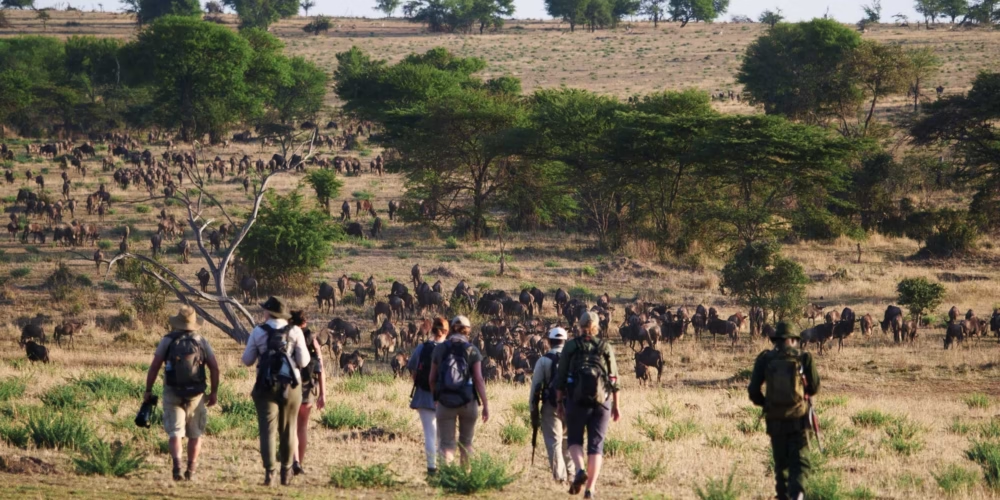

Nature Walks in Serengeti National Park
Nature Walks in Serengeti National Park.
While the Serengeti is most famous for sweeping savannahs and thrilling game drives, few experiences match the quiet thrill of exploring its wilderness on foot. Nature walks in Serengeti National Park offer a deeper, more intimate connection to the land—an opportunity to step into the rhythm of nature without the barrier of a vehicle. Guided by trained experts, these walks bring you face-to-face with the park’s smaller wonders, hidden tracks, and stories written in the earth.
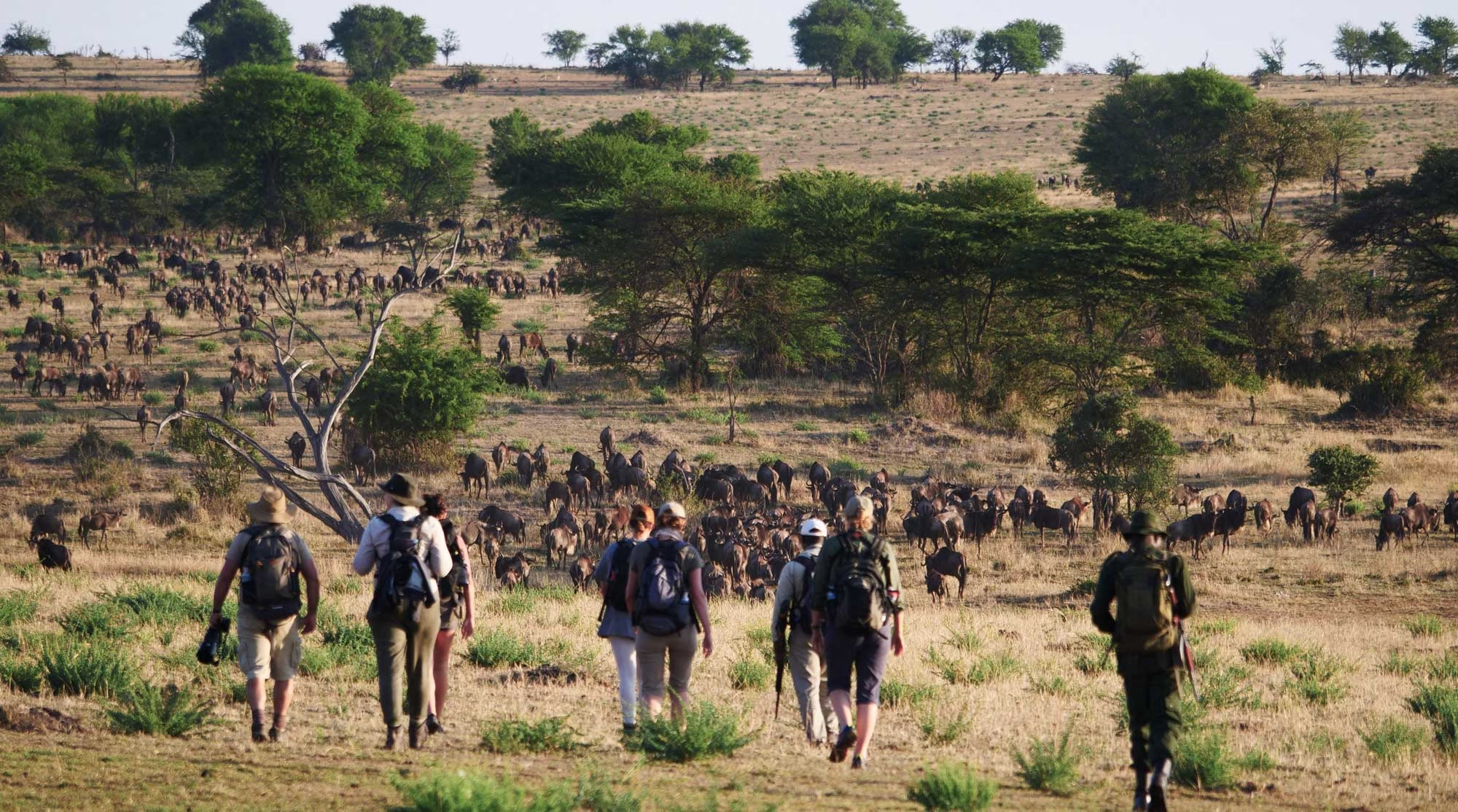
What Makes Serengeti Nature Walks Special?
A nature walk strips the safari back to its essence—human and wilderness in direct contact. You move at the pace of the land. You feel the crunch of dry grass underfoot, smell the rich scent of earth after rain, and hear birds before you see them.
The Serengeti’s grandeur isn’t just in its lions or elephants. It’s also in the chirp of cicadas, the tracks of a civet, or the towering grace of an acacia tree. A nature walk brings all this to the forefront. Guides teach you how to read animal footprints, identify dung, spot medicinal plants, and understand the ecosystem’s delicate balance.
Where Do Nature Walks Take Place?
Nature walks aren’t conducted in the central Serengeti where large predators and tourist traffic are common. Instead, they are offered in specific controlled zones on the eastern, southern, and western fringes of the park, where walking is both safe and allowed. Some of the best areas for walking safaris include:
- Serengeti’s Grumeti region – Known for its seasonal river crossings, wooded grasslands, and fewer crowds.
- Ngorongoro Conservation Area (bordering the Serengeti) – Often used as a starting point for longer walking safaris.
- Northern Serengeti wilderness zones – Offering remote, rugged terrain and great birding potential.
Several private concessions and camps also have special permits to conduct walking safaris within adjacent wildlife areas.
What to Expect on a Nature Walk
Most walks take place in the early morning or late afternoon, when temperatures are cooler and wildlife is active. Walks typically last between 1 to 3 hours and are led by an armed ranger and a naturalist guide.
You won’t be chasing lions on foot—but you might come across zebra, giraffe, antelope, warthogs, or even buffalo at a respectful distance. Your guide ensures safety and enriches the experience with detailed knowledge about the area.
Expect to see:
- Birdlife up close—hornbills, weavers, bee-eaters, and raptors.
- Insects and reptiles—dung beetles, lizards, and maybe even a snake or chameleon.
- Animal tracks, bones, nests, and termite mounds—each with a story.
- Medicinal plants and trees—used by Maasai communities for generations.
Walking Safaris vs. Game Drives
A walking safari isn’t about spotting the Big Five quickly. It’s about slowing down and tuning into nature’s subtle details. You won’t cover much ground like you do in a Land Cruiser, but you’ll see more of the park’s texture—its layers of life.
While game drives offer thrill and scale, nature walks provide depth and stillness. The two together give a complete Serengeti experience.
Who Can Join?
- Photographers seeking unusual angles and lighting.
- Birdwatchers who want a closer look at forest or riverine species.
- Families with older children (usually 12+ depending on the camp rules).
- Adventure travelers and eco-tourists.
- Anyone curious about African ecology beyond the safari vehicle.
Walks require basic fitness but are not strenuous. The pace is easy and there are plenty of stops for discussion, observation, and safety.
Where to Stay for Walking Safaris
Several lodges and camps offer nature walks either in Serengeti’s wilderness zones or in adjacent areas with wildlife:
- Lamai Serengeti (Northern Serengeti)
- Serian’s Serengeti camps
- Singita Grumeti Reserve
- Nomad Serengeti Safari Camp
- Klein’s Camp (in a private concession near the park)
These properties often include walking safaris as part of their guest experience, led by professional guides and trackers.
Walk the Wild Heart of Africa
Nature walks in the Serengeti open your senses to the living world in a way that vehicles can’t. They teach patience, awareness, and respect. You don’t just see the Serengeti—you feel it. From tiny beetles to towering giraffes, from rustling grasses to sunlit termite mounds, every moment on foot connects you deeper to Africa’s wild soul.